
Product Overview
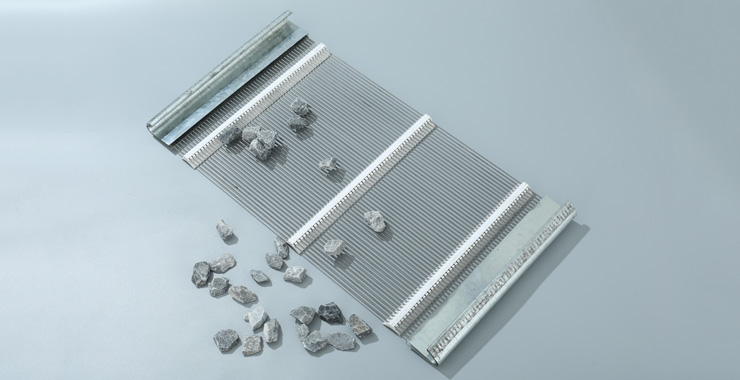
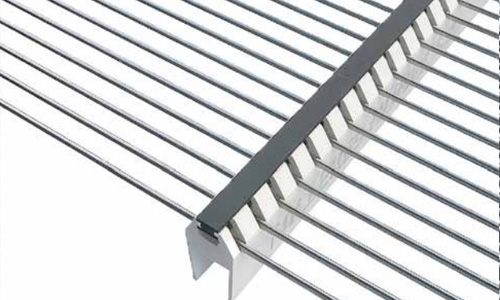
Our Piano-wire Self-cleaning Screen Mesh consists of parallel independent piano wires fixed by cross support rods. Each wire can vibrate freely and independently under equipment operation, effectively shedding wet, sticky ores and preventing aperture blockage. Fabricated from high-carbon steel, spring steel and stainless steel, it maintains great flexibility and wear resistance. This structure delivers high screening throughput and reduces material carry-over. Widely adopted for mineral separation, quarry aggregate and industrial screening applications where anti-clogging performance is critical.
Key Features
Technical Specifications
| Sieve holes (mm) | Wire diameter (mm) | Sieve holes (mm) | Wire diameter (mm) | Sieve holes (mm) | Wire diameter (mm) | Sieve holes (mm) | Wire diameter (mm) |
|---|---|---|---|---|---|---|---|
| 2 | 1.2 | 7 | 2.5 | 16 | 4 | 30 | 6 |
| 2.5 | 1.5 | 8 | 2.8 | 18 | 4.5 | 32 | 6.5 |
| 3 | 1.6 | 9 | 3 | 20 | 5 | 35 | 7 |
| 3.5 | 1.8 | 10 | 3.2 | 22 | 5.2 | 40 | 8 |
| 4 | 2 | 11 | 3.5 | 24 | 5.5 | 45 | 8.5 |
| 4.76 | 2.2 | 12 | 3.8 | 25.4 | 6 | 50 | 9 |
| 5 | 2.3 | 13 | 4 | 27 | 6.2 | 60 | 10 |
| 6 | 2.4 | 14 | 4.2 | 28 | 6.5 | 70 | 12 |
| 6.35 | 2.5 | 15 | 4.5 | 29 | 7 | 80 | 12 |
Please contact customer service for other specifications.
Structural Type
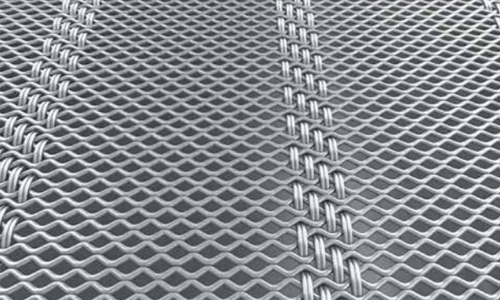
Diamond anti‑clogging screen mesh (also known as diamond self‑cleaning screen mesh or D‑type anti‑clogging screen mesh) is the most widely‑used anti‑clogging type. Its aperture shape is close to square apertures and delivers consistent particle‑size standards for undersize materials. Compared with square‑woven screen mesh of the same specifications, the diamond anti‑clogging screen mesh can effectively improve screening efficiency by 30%.
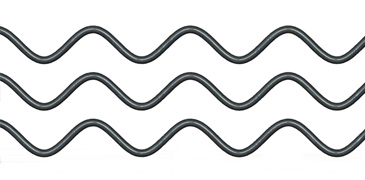
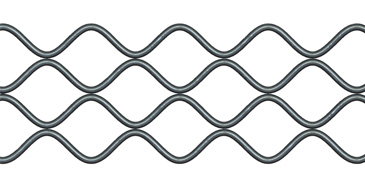
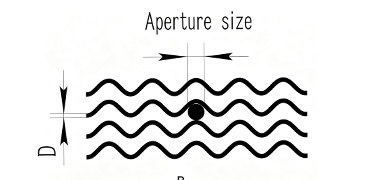
Its aperture features a continuous S‑shape (also referred to as S‑type anti‑clogging screen mesh). It is suitable for round or regular‑cube‑shaped materials, or for applications where precise screening is not required.
Boasting the maximum open‑area percentage, it effectively prevents aperture clogging and reduces fine‑particle content in oversize materials.
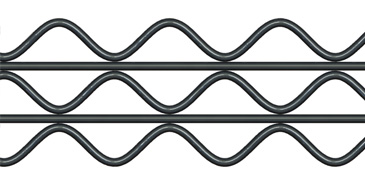
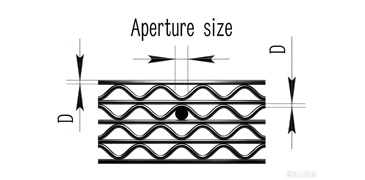
The screen mesh is assembled by alternating one pre‑crimped wire and one straight wire. Triangular apertures are formed between the crimped wires and straight wires (also known as T‑type anti‑clogging screen mesh). This mesh is designed for small apertures in manufactured sand applications and delivers superior anti‑clogging performance.
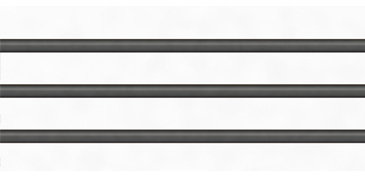
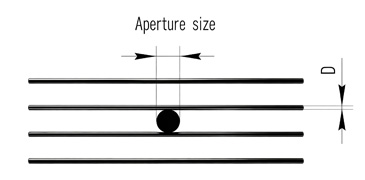
This screen mesh features long slots formed by straight wires (also known as L‑type anti‑clogging screen mesh). It offers the maximum open‑area percentage among all screen mesh types. It is suitable for sand removal and fine‑sized material screening, and boasts a longer service life compared with conventional woven piano‑wire screen mesh. It is recommended for screening fertilizer and top‑soil removal.
Measuring Method
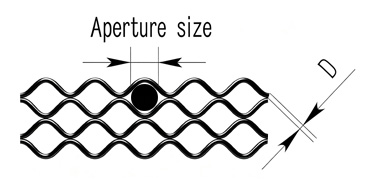
Screen Tensioning Hook Style


Screen Tensioning Hook Direction


Custom & OEM Self-Cleaning Screens
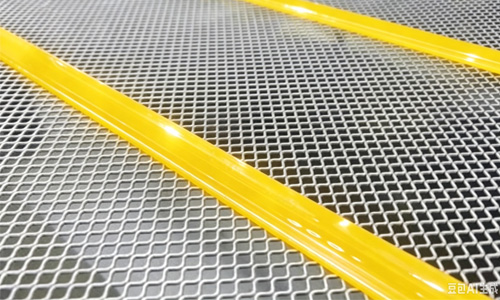
•Polyurethane fixing strips are typically made from ShoreA80º PU, capable of withstanding most aggre-gate screening applications. They offer excellent wear resistance and extend the service life of screen meshes.
•Heavy-duty thickened strips are suitable for use with high feed rates, highly abrasive materials, soil removal processes, large particles, and large screen openings;
•Thickened strips can serve as guide strips, directing materials back to the screen opening area;
• Suitable for all types of self-cleaning screens.
•For applications with temperatures exceeding 70°C.
•Highly recommended for use in asphalt plants.
•Diamond and triangular self-cleaning screens available.
• The movable fixing bar is suitable for any screen machine support beam.
• Primarily used for mobile screening equipment.
• Designed exclusively for piano screens
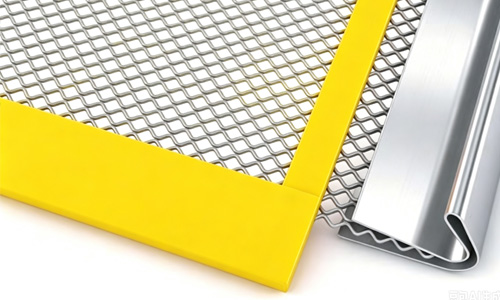
• Suitable for side-tensioned screen meshes;
• Recommended as standard for apertures up to 10mm;
• Compatible with various anti-clogging or woven meshes;
• Maximum aperture of 50mm.During installation, position the discharge-end screen mesh as the bottom layer, overlapping sequentially toward the feed end.
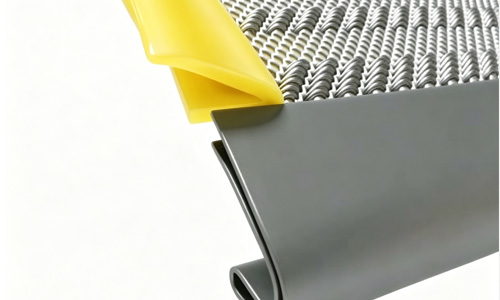
With Side Sealin
• Optional for all end-tensioned screens.
• Prevents oversized material from passing between the screen edge and the machine side panels.
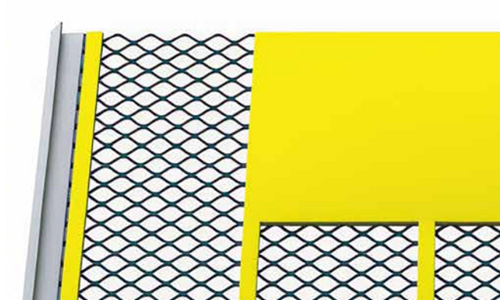
• Used to protect the feed section of the screen plate against wear All self-cleaning screens utilize polyurethane strips or metal wires arranged at varying intervals to secure the screen wires, thereby maintaining aperture precision. Polyurethane strips should be positioned according to the screen machine's support beam locations.
Need Custom Self-Cleaning Screen Solutions?
Contact our engineering team today for technical consultation, custom dimensions, and competitive pricing.
Related Products