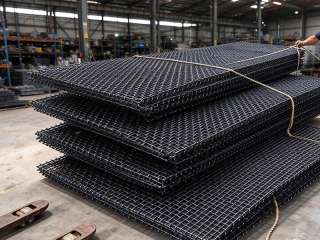
For rare earth processing teams that often run into screen clogging, a screen of suitable material and type can not only extends service life 2 to 3 times, but also cuts down rare earth loss in tailings
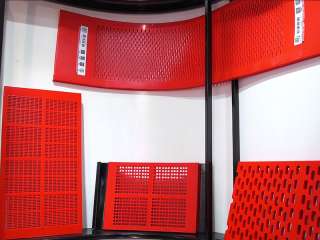 polyurethane Fine screens Revolutionize Precision Screening">
It blunts easily, stretches, and loses its accuracy This is where the polyurethane fine screen steps in It’s not just a replacement
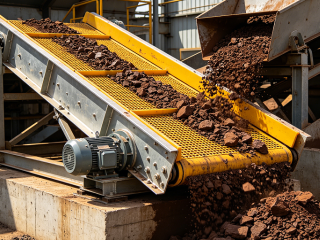
In the highly abrasive environment of iron ore processing, almost all mining operations have faced pitfalls regarding screen selection Choosing the wrong screen material increases direct expenses but also adds significant time costs
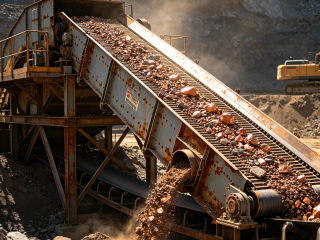
In copper mining, Selecting the right screening equipment and heavy-duty screen media is crucial screening isn’t a one-size-fits-all task
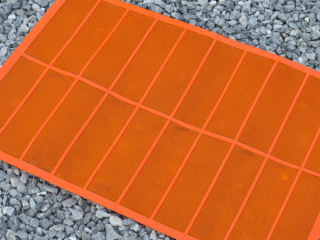 polyurethane Screen Mesh Shape Guide: Square, Round, and Oval">
Choosing the right polyurethane screen is more than just choosing the size The chosen mesh shape directly impacts screening efficiency, a fact most operators don t realize until frequent screen changes
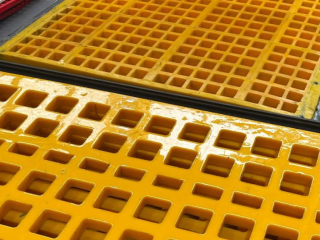
Simple daily maintenance and inspection habits add zero cost and can double your screen s service life Here s what actually works on real plants, not what the manual says
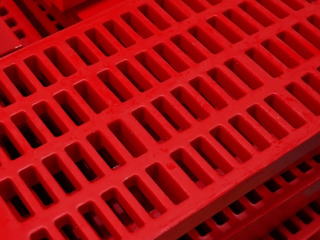 screens for Sand and Gravel Areas: Noise Reduction and Impact Resistance">
Running a Sand and Gravel Operation Means Living With Noise Conventional screens push 105–115 dB at the deck level, it is loud enough to trigger hearing damage Switching to polyurethane screens can reduce noise and impact
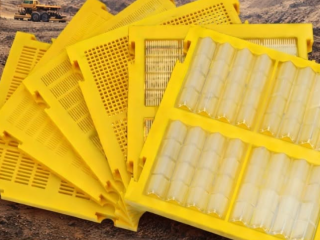 polyurethane Screen Installation and Removal Tutorial: Halve Downtime">
Most mines and aggregate plants lose 15% to 30% of production time due to improper screen installation A standardized polyurethane screen installation and removal procedure can significantly reduce downtime and extend screen life
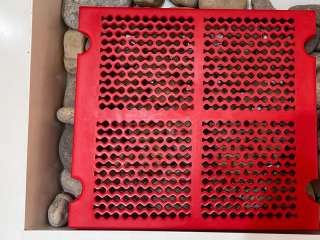 screens Overcome Production Bottlenecks in Actual Mining Operations">
When high-open areas polyurethane screens are too small or poorly designed, material accumulates, causing the vibrating screen to clog The problem isn t actually with the screening machine, but with the screen itself
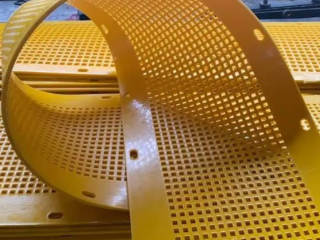 screens: Meeting the Precise Needs of Complex Mining Conditions and Specialized Equipment">
standard screens are prone to cracking and rapid wear during mineral processing screening,Therefore, more and more mining companies are turning to customized polyurethane screens
