Optimization of Container Loading and Export Freight Cost Control Measures for Steel Grating
For international trading teams and industrial suppliers that regularly ship heavy, bulky steel grating products to overseas projects, inefficient container loading and unoptimized logistics planning often leads to wasted container space, unexpected overweight surcharges and far higher total freight costs than necessary. Many export teams shared that they previously left 20% or more of a standard 40-foot container completely empty, or got hit with unexpected port overweight fines because they did not calculate total loaded weight accurately before sealing the container. Targeted optimization measures for packing and shipping Steel Gratings can cut your total international freight cost by 15% to 30% without adding extra risk of product damage during transit.
Pre-Shipping Customized Dimensional and Weight Layout Planning
The first core optimization step runs before any products are even packed, where the logistics and production teams work together to adjust the final finished dimensions of custom grating units to match the exact inner length, width and height of your selected container, and calculate the exact total loaded weight down to the last kilogram. This careful pre-planning eliminates wasted empty space that most generic loading plans leave behind, and ensures you will never accidentally exceed the container’s legal maximum gross weight, letting you fit far more units of Steel Gratings into every single shipment without triggering any unexpected surcharges.
Plan the Panel Around the Box
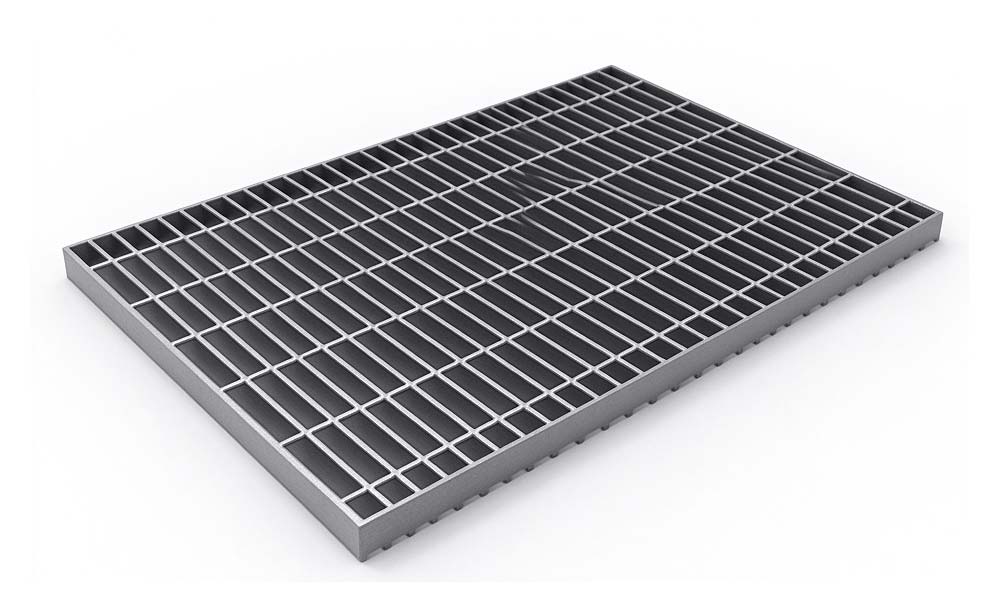
The cheapest container is the one designed before production starts, not the one a forklift driver figures out at 4 p.m. on load-out day. Standard 40GP interior length is about 11.8 m and 40HQ about 12.03 m, so a 1000 × 6000 mm Steel Grating panel slides in clean, stacks predictably, and leaves only small end gaps that offcut treads or 500 mm filler strips can eat. The moment the project demands 1300 mm wide panels, 6.5 m lengths, or dozens of one-off shapes, loading efficiency collapses and the freight bill silently climbs 20–30% on "custom size penalty" nobody itemized. Smart mills push the buyer gently: keep bearing-bar pitch and panel width standard, split a 2000 mm wide platform into two 1000 mm panels with clip joints, and let the site rejoin them with galvanized clips instead of field welding the zinc coat back off. Every Steel Grating order should leave production with a loading map attached—panel sequence, layer count, heavy bundles low, light fabricated treads high, void positions marked for filler stock—because a drawing in the office prevents a gambler with a strap gun at the container.
Stack, Bundle, and Stop Paying for Air
Flat Steel Grating stacks well if you respect which direction carries load: bearing bars take vertical compression, the cross-bar direction does not, so panels stack flat with anti-slip wooden or rubber spacers every 3–4 layers, edges protected, bundles strapped tight, and small panels slotted into the gaps left by larger ones. Bundle packing with steel or PET strapping and waterproof paper is the workhorse for standard walkway grating; pallet packing earns its keep when the receiver wants forklift handling and cleaner inventory; full wooden crates are reserved for precision, coated, or high-value panels where deformation costs more than the volume they consume. Vertical stacking can lift load density 30–50% in a 40HQ, but grating is not coil or pipe—stand it on edge without frames and the lateral strength problem turns into bent panels and claims, so most mills stick to 2–4 flat layers and win the saving through tighter cut lists rather than circus tricks. A Steel Grating shipment that leaves with desiccant, breathable wrap, and even weight across the floor also avoids the quieter cost: white rust on hot-dip zinc after three weeks at sea, then a rejection at the wharf that costs a second ocean leg.
FCL, LCL, and the Art of Not Booking Stupid
Freight-mode choice is where procurement egos get in the way of math. Steel Grating is dense, so LCL charges by weight-or-measure and the shipper almost always pays on the tonne, then eats CFS receiving, consolidation, deconsolidation, and destination handling on top of it. Below about 12–15 CBM a buyer may have no choice, but once the order clears that band, a 20GP or 40HQ usually wins because the container rate is fixed and every extra square metre loaded lowers unit cost. The classic rookie move is booking a 20GP for heavy grating: payload tops out near 21.5–22 t while half the cube sits empty, so the freight per tonne looks fine and the freight per cubic metre looks criminal—better a 40GP/40HQ with 22–25 t and far better volume use, or consolidated orders to the same region in one FCL. Long panels over 11.8 m, odd trench covers, or stair flights that will not lie flat belong on open-top or flat-rack, never forced into a standard box where "almost fits" becomes bent banding and a crane delay. A Steel Grating exporter that locks seasonal rates with one competent forwarder, books early ahead of the July–September and November–December spikes, confirms free-detention and free-demurrage days in writing, and compares total landed cost instead of ocean rate alone, already beats most competitors without touching the product.
Layered Stacking and Interlocking Packing Method
The second practical measure uses a structured layered stacking approach where flat grating panels are aligned tightly together, with small custom-cut units slotted perfectly into all leftover gaps between larger full-size panels, and thin wooden spacer pads placed between every 3 to 4 layers to distribute weight evenly and prevent sharp edges from scratching the galvanized surface. This packing method eliminates almost all unused dead space inside the container, and also prevents the load from shifting during long ocean transit, so you can safely load far more Steel Gratings per container without risking product damage that would lead to costly returns or rework at the destination port.
Consolidated Shipment and Freight Forwarder Rate Locking
The third long-term cost control measure consolidates multiple small orders heading to the same regional port into one full container load, and works with a trusted regular freight forwarder to lock in fixed seasonal rates for your regular grating shipments, instead of booking last minute spot rates that often spike unexpectedly during peak shipping seasons. This stable planning and rate locking strategy removes the volatility from your international logistics budget, and makes the total cost per shipped unit of Steel Gratings far more predictable and cost-effective for both you and your overseas clients.
These three practical optimization measures will drastically reduce your per-unit international freight cost, cut down on unexpected logistics surcharges, and make your whole export shipping process far more reliable and predictable. If you share your typical order volume, common destination ports and standard grating panel dimensions, our logistics team can put together a fully customized container loading layout and freight cost saving calculation tailored exactly to your regular export shipments.