Inventory Management and Preventive Procurement Strategies for Mining Screen Consumables
For mineral processing sites that run multiple vibrating screening lines 24/7, poor inventory planning and last-minute emergency procurement for screen spare parts often leads to two costly outcomes: you either tie up huge amounts of working capital stocking far more parts than you actually need, or you run out of critical consumables right when a screen panel breaks, forcing you to pay premium rush shipping fees and wait days for replacements while your production line sits idle. Many mine maintenance teams shared that they struggled for years to strike a reasonable balance between avoiding stockouts and not wasting budget on overstocked parts that end up gathering dust in the warehouse. Targeted, data-driven management strategies for Mining Screen Consumables completely eliminate these two common pain points, cutting your total spare part cost by 20% to 30%.
Usage Data Driven Dynamic Safety Stock Setting
The first core management practice pulls 6 to 12 months of historical screen maintenance records to calculate the exact average service life of every type of screen panel, tensioning hook and wear part you use, then sets a small dynamic safety stock level that only covers the total consumption during your supplier’s normal lead time. This prevents you from hoarding huge piles of rarely used parts that will become obsolete after you upgrade your screen decks, and ensures you always have just enough stock on hand to cover unexpected early wear, making your whole inventory of Mining Screen Consumables far more capital efficient.
Rank Consumables by Downtime Risk
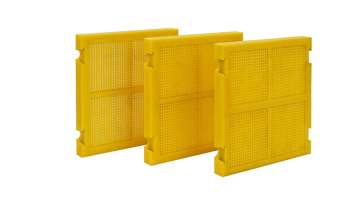
The first sin in managing Mining Screen Consumables is treating every SKU like it deserves equal shelf space. A bin of cheap washers can run low and nobody cares; a missing tapered-slot PU module on the feed end of a spodumene deslime deck can idle a flotation bank that costs more per hour than the entire screen inventory. Mature plants score each consumable on four things: failure frequency, lead time, unit cost, and consequence of absence. High-wear, short-life items—feed-end panels, side seals, clamp bars, tensioning hooks—get local stock or a fast replenishment lane with the supplier. Long-lead, high-consequence items—custom-width PU panels, special alloy mesh, exciter bearings, fabricated decks—get forecast buys, safety stock, and sometimes a consignment bin inside the plant storeroom. A screen media catalogue is not an inventory plan; a risk-ranked matrix is. The operation that cannot tell you which Mining Screen Consumables cause 80% of its screen-related downtime either has no data or is too embarrassed to show it, and either answer is expensive.
Forecast From Wear, Not From PO History
Purchase-order history lies, because it records when somebody remembered to buy, not when the deck actually wore out. A proper program forecasts Mining Screen Consumables from wear curves: panel serial, deck position, ore type, moisture, stroke, tonnes screened, ridge or wire loss, pull date, and failure mode. After two or three campaigns the system knows that feed-end PU on the copper scalper pulls at 11,500 t or 35% crown loss, mid-deck at 26,000 t, discharge at 40,000 t, and the ERP can reserve stock before the maintenance supervisor starts texting the vendor. This is where preventive procurement stops being a buzzword: the requisition is raised by the wear log, not by the breakdown. Consumables tied to slurry chemistry—acidic zinc slurry eating standard PU, chloride drift pitting 304 mesh, talc slime blinding fine slots—get their own forecast rules, because the same part number can have two completely different lives in two different circuits. Mining Screen Consumables planned this way turn the storeroom into a scheduling tool instead of a graveyard for obsolete mesh nobody ordered correctly.
Supplier Setup, Kitting, and Consignment
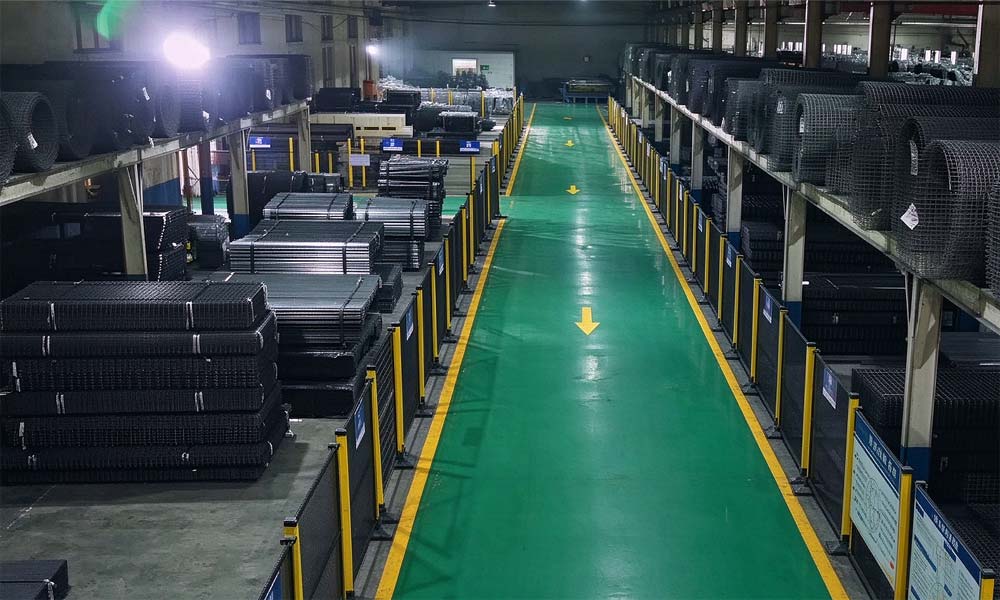
The clever half of preventive procurement is moving the inventory closer to the pain. A standard FOB-supplier-warehouse model means the part lives 600 km away and the truck leaves tomorrow; a consignment bin model means the critical hooks, seals, and panels sit inside the customer’s plant, owned by the supplier until consumed, counted by a shared dashboard, and topped up before the bin hits the reorder point. Kitting is the quieter win: instead of "order bolts," the system issues a changeout kit—panel set, edge seal, tension bar, clamp plate, grade-12.9 fasteners, hook strip, torque sheet—so the crew cannot accidentally reassemble a deck with the wrong clamp and invent a new failure mode. For Mining Screen Consumables, the supplier should also be forced to document batch, compound, Shore, slot tolerance, hook profile, and traceability, because a bin of "PU panels" with no spec is just yellow plastic with a promise. Plants that negotiate consignment plus kitting plus SLA dispatch stop treating procurement as a clerical function and start using it as field service delivered in advance.
Tiered Classification for Differentiated Procurement Scheduling
The second practical strategy sorts all your screen spare parts into three clear tiers: high-wear fast moving parts like screen mesh panels that you keep small safety stock of and place recurring monthly small batch orders, medium-wear parts like tensioning hooks that you order once every quarter, and low-wear rare parts that you do not stock at all and only order when you get an early maintenance alert that they will be needed soon. This tiered system removes almost all unnecessary inventory holding costs, and lets you negotiate far better bulk pricing with suppliers for regular recurring orders of your highest volume Mining Screen Consumables.
Supplier Long Term Partnership for Emergency Backup Support
The third critical preventive measure is to build a long term cooperative relationship with 1 to 2 reliable local suppliers, who keep a small amount of your most commonly used critical screen parts in their own local warehouse as a shared backup stock, that you can pick up within a few hours if you face a sudden unexpected screen failure. This arrangement completely eliminates the risk of long costly production stops caused by stockouts, without you needing to tie up your own warehouse space and budget on extra backup stock, making your whole supply chain for Mining Screen Consumables far more resilient and low-risk.
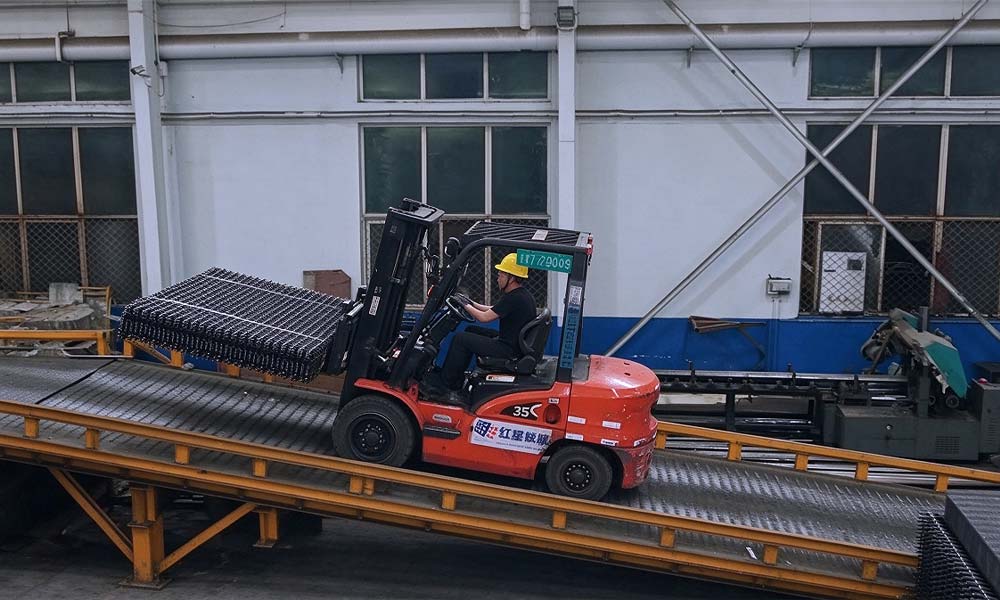
Following these practical inventory and procurement strategies will drastically reduce your spare part holding cost, eliminate last minute expensive rush orders, and make your whole screening operation far more stable and less vulnerable to unexpected supply chain delays. Build a risk-based spare parts management system for your vibrating screen consumables to optimize working capital.