Woven Wire Screen for Aggregate: Selection Guide for Sand and Gravel Processing
If you’ve ever stood beside a sand and gravel processing screening deck mid-shift, watching your team spend 4+ hours swapping out a woven wire screen that wore through completely in less than two weeks under the constant scouring of sharp granite and basalt aggregate, you know exactly how much unnecessary downtime, wasted labor and lost qualified finished sand product this seemingly trivial consumable issue costs your operation every single month. Many aggregate plant operations supervisors I’ve talked to over the years shared that they used to pick their screens almost entirely based on the lowest upfront price, never realizing that a targeted, application-specific selection strategy could double or triple screen service life while drastically boosting classification accuracy and overall plant throughput. A properly chosen woven wire screen for aggregate is the unsung backbone of your entire sand and gravel processing line, directly impacting product quality, operational uptime and total long-term production cost far more than most plant teams ever realize.
Wire Material and Heat Treatment Matching for Local Aggregate Hardness
Matching your wire material and heat treatment to the specific hardness and grain size of your aggregate isn’t just important—it’s essential. Too many people settle for generic low-carbon steel screens, but those just can’t keep up if you’re handling hard materials like granite, basalt, or quartz with a Mohs hardness above 6. In that case, go for high-tensile 65Mn spring steel that’s been fully quenched and tempered. You’ll get a tough screen—surface hardness up to HRC55—that keeps working far longer than mild steel wires, which you’ll usually replace every week.If your aggregate is less abrasive, like limestone or river gravel, high-carbon steel is a smart bet. It holds up well against wear and costs less than the ultra-tough options, so you end up with screens that last three or four times longer than those made from untreated mild steel. And don’t fall into the trap of over-specifying. Stainless steel sounds fancy, but for most aggregate processing, it won’t outlast properly heat-treated manganese steel. All you’ll do is drive up your spare parts budget without actually gaining any improvement in wear life.
Weave Pattern and Aperture Tolerance Tuned to Target Product Specifications
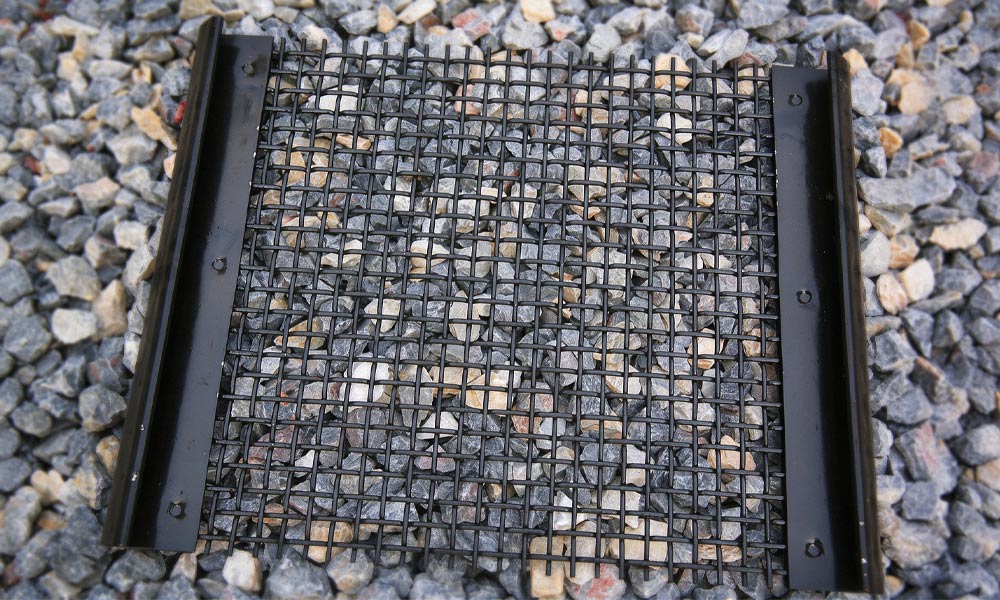
The second key selection factor is picking the right weave structure and tight aperture tolerance that aligns perfectly with your finished sand and gravel product grading requirements, to minimize mis-screening and reduce the amount of off-spec material you need to reprocess. For coarse aggregate sizing above 5mm, a standard lock-crimp interlocking weave is the best choice, as the pre-crimped wires lock firmly in place and prevent wire shift that would distort aperture sizes and let oversize particles slip into your finished product. For fine manufactured sand classification below 2mm, you should choose a pre-stressed flat-top weave that creates a completely smooth, flat screen surface with no raised wire intersections that would disrupt material flow and reduce effective screening area, with aperture tolerance strictly controlled within ±3% to ensure consistent product grading that meets local construction aggregate standards. This targeted tuning of weave pattern and tolerance ensures your woven wire screen for aggregate maintains classification accuracy above 95% across its entire service life, eliminating the common issue where inconsistent aperture sizes create batches of off-spec sand that you cannot sell to your customers.
Wire Diameter and Tensioning Compatibility With Your Existing Screen Deck
The third often-overlooked selection step is matching the wire diameter, edge hook design and overall panel dimensions to the exact specifications of your existing vibrating screen deck, to ensure perfect tensioning, stable operation and maximum usable screen area. If you pick a wire diameter that is too thin for your deck’s operating G-force, the wires will stretch and break far earlier than their rated service life, but if you pick a wire that is unnecessarily thick, you will drastically reduce the total open area of the screen and cut your maximum achievable processing throughput by 20% or more. You should also verify that the edge hook design of the new panel exactly matches the tensioning rail profile on your existing screen, so you can achieve full, even tension across the entire screen surface without localized slack spots that cause premature screen fatigue tearing. This perfect compatibility ensures your woven wire screen for aggregate installs in less than 30 minutes, runs completely stably without abnormal vibration or wire breakage, and delivers the full rated throughput and service life that the manufacturer specified.
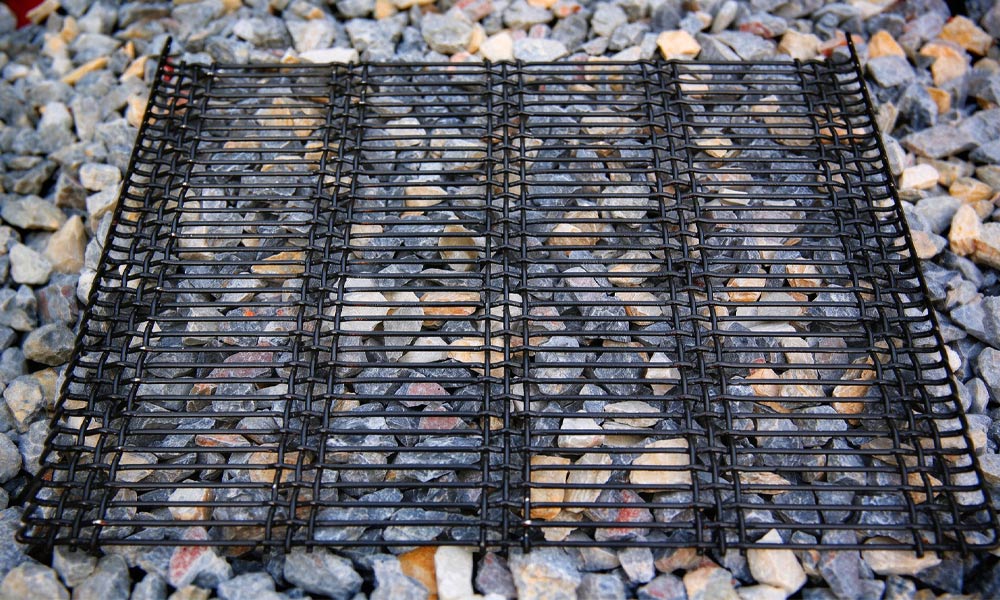
Following these targeted material matching, weave pattern tuning and deck compatibility selection rules will drastically reduce your screen replacement frequency, keep your finished aggregate product grading consistently meeting customer specifications, and cut your total annual screening-related operational costs by more than 40% compared to a generic low-price-first selection strategy.