Sample Testing Standards and Acceptance Procedures for Bulk Procurement of Woven Mesh
For industrial procurement teams managing large ongoing orders of Woven Metal Mesh for mineral processing, aggregate screening and filtration operations, skipping standardized sample testing and formal acceptance checks often leads to costly surprises, where entire batches show uneven aperture sizes, unexpected early wear or structural defects only after they are installed on site. Many teams that only rely on supplier‑provided quality reports end up facing weeks of unplanned downtime and complicated after‑sales disputes, because those reports rarely reflect the real quality consistency across hundreds of panels in a full bulk shipment of Woven Metal Mesh. Setting up clear, practical sample testing standards and acceptance procedures before confirming a bulk order helps teams lock in stable product quality, avoid unnecessary operational losses and ensure every batch of Woven Metal Mesh matches their actual on‑site performance requirements.
Pre-Production Sample and the Approved Reference
The first control point is not the container—it is the pre-production sample made from the same wire grade, same wire diameter, same weave, same finishing route, and same loom setup class as the proposed bulk run. Too many buyers approve a “similar sample” from stock and then act surprised when production mesh behaves differently; a sample from another alloy or another reed tells you nothing about the order you intend to place. For Woven Metal Mesh, the approved sample should be accompanied by a short but ruthless report: alloy by XRF or mill chemical analysis, warp and weft wire diameter with a calibrated micrometer, mesh count in both directions, average aperture and worst single aperture, open-area calculation, flatness, edge condition, and—for filtration duty—bubble point or permeability if the application is pressure-driven rather than dry screening. That sample becomes the master. Every bulk lot later lives or dies by comparison to it, not by comparison to the supplier’s brochure. If the PO does not say “pre-production sample S-001 attached and incorporated by reference,” the buyer has already agreed to argue later.
In-Process and Pre-Shipment Inspection Plan
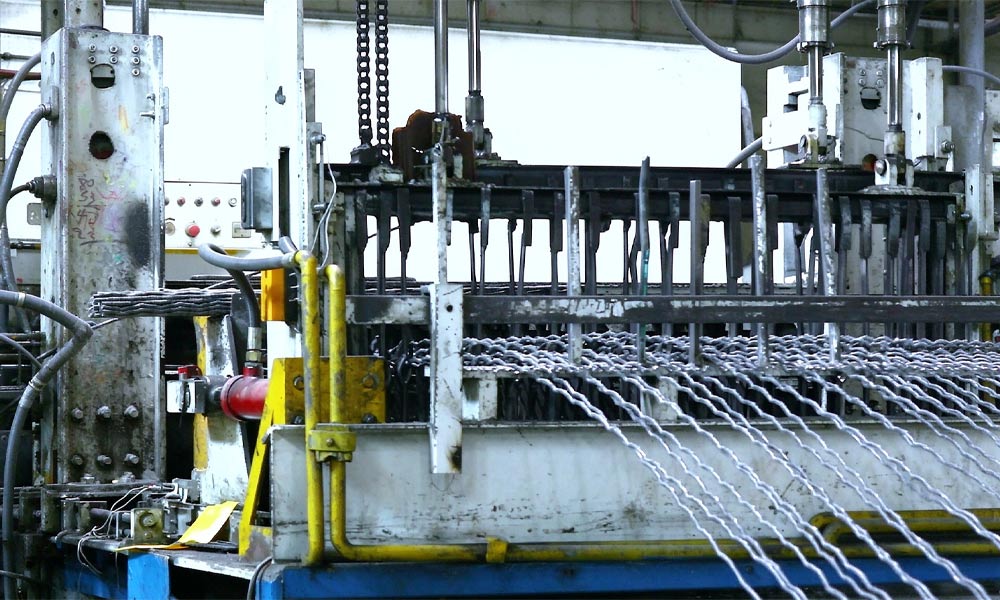
Bulk quality is made on the loom floor, not invented at the inspection table, so the procedure has to reach into production instead of waiting at the dock. A useful plan names the standard basis—ASTM E2016-22 or ISO 9044:2016—then adds project rules: lot size, loom ID, wire heat number, reel change log, in-process aperture checks at machine start, after reed change, after shift change, and at every 500–1,000 m depending on mesh fineness. For Woven Metal Mesh used in screening, the non-negotiable measurements are warp/weft count, wire diameter, average aperture, maximum single aperture, standard deviation of aperture across the working width, broken or skipped wires, displaced intersections, creases, edge curl, lubrication/contamination, and roll length/width. Coarse mesh can be checked with mechanical gauges and pick counting; fine mesh needs an optical comparator or microscope with a calibrated stage, because a human eye calling “looks like 200 mesh” is not an inspection method. Pre-shipment inspection should photograph the loom setup, the wire spools, the packing line, and at least three cut sections per lot—head, middle, tail—so the buyer can see whether the roll got better, worse, or inconsistent as the shift wore on.
Statistical Sampling, Not “Pick a Nice Roll”
The classic bulk-procurement scam is sample theatre: the supplier hands over three beautiful rolls and the rest of the container is a different animal. A defensible acceptance procedure uses statistical sampling tied to lot size and criticality. Critical screening or filtration mesh—pharma, food, battery slurry, polymer melt, uranium or rare-earth classification—might demand AQL tightening under ANSI/ASQ Z1.4, lot-level traceability, and 5–10% piece sampling with head/middle/tail cuts from each pallet. General aggregate or coarse mining mesh can use a lighter plan, but never “one roll per container.” Each sampled Woven Metal Mesh piece should be measured at defined distances from the edge—usually not within 25 mm of a cut edge, because cutting distorts the first wires—and the report should separate average aperture from single worst opening. Average aperture can be gorgeous while one local gap ships oversize; bulk buyers get burned by averages exactly because a displaced wire does not move the mean enough to trigger common sense. The acceptance rule should state pass/fail bands, retest rights, sort-versus-reject options, and the cost allocation if a lot is found nonconforming after sealing.
Documents, Nonconformance, and the Long Game
The last acceptance layer is paperwork, and it is where bulk programs quietly succeed or fail. Every lot of Woven Metal Mesh should travel with a mill test certificate naming alloy, UNS/EN grade, heat or melt number, wire diameter, mesh count, nominal aperture, open area, weave type, dimensions, packaging, and the standard referenced. ISO 9001 at the factory is nice, but it is not the product spec; what matters is that the inspection record links finished mesh back to wire lot, loom, shift, and QC sign-off. When a nonconformance appears—a roll with a missed pick, a 316L that XRF says is closer to 304, an aperture band drifting past ISO 9044 limits—the procedure should force segregation, photographic hold, root-cause note, corrective action, and re-inspection before reshipment. Buyers who skip this end up negotiating refunds while the plant runs on mesh that was never approved. Buyers who enforce it get something more valuable than a discount: repeat orders that behave like the first sample, auditors who find traceability instead of excuses, and a Woven Metal Mesh supply line that can be defended in front of a metallurgist, a purchaser, and a plant manager at the same time.
Representative Sampling Framework for Bulk Shipments
The first core rule of any reliable testing standard for Woven Metal Mesh is to use a statistically representative sampling framework, where teams select no less than 3% of total panels from different production batches, different production shifts and different pallet positions across the entire shipment, instead of only testing the small number of pre‑selected perfect samples the supplier provides in advance. This sampling method effectively catches the common quality inconsistencies that often appear in mass production of Woven Metal Mesh, such as uneven weaving tension, minor wire diameter deviations and partial surface treatment defects that do not show up on the supplier’s surface inspection records.
Practical Testing and Acceptance Execution
The second key part of the procedure covers mandatory, easy‑to‑execute testing items, including full mesh count verification across multiple points of each sampled panel, aperture size measurement with calibrated gauges, wire diameter cross‑check and simple tensile strength testing to confirm the material meets the agreed specification. For bulk Woven Metal Mesh batches that will be used in heavy abrasive working conditions, many experienced teams also add a short bench wear test on sampled pieces, to get a real reference of actual service life instead of relying entirely on theoretical performance data from the supplier.
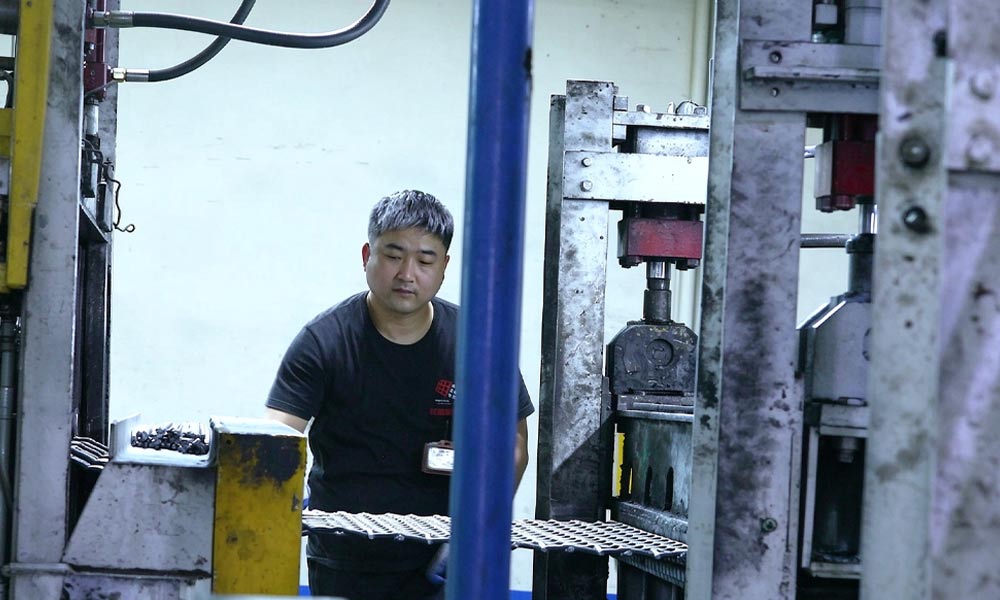
A well‑designed set of sample testing standards and acceptance procedures for bulk procurement of Woven Metal Mesh drastically reduces quality inconsistency risks, cuts down unplanned maintenance costs and builds a much more transparent, reliable long‑term cooperation rhythm between buyers and suppliers. If you need a fully customized acceptance checklist tailored to your specific order specification and on‑site working conditions, our team can provide you with a ready‑to‑use testing workflow that you can implement immediately for your next bulk purchase.