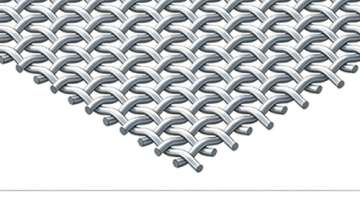
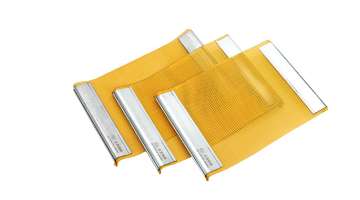
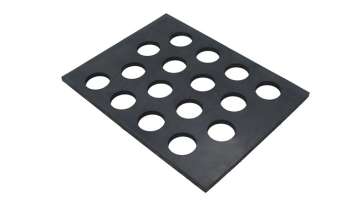
Comparison of Rubber and Polyurethane Edge-Binding Processes for Woven Metal Screens
For plant managers and procurement specialists in mining and aggregate industries, buying woven metal screens is a recurring capital expense. Unlike most other screening media, which are usually priced by the piece or square meter, woven metal screens work a bit differently—their cost really boils down to weight. That's the standard way things run in this industry, but it doesn’t mean you just look at price per kilo and call it a day. If you want to get the most out of your budget, you’ve got to understand what actually makes up that weight and where you can negotiate for more value.
Decoding the Weight-Based Price Tag
The price of woven metal screens is primarily a function of raw material consumption. Here’s how it breaks down. The total cost comes from how much wire goes into the screen. That depends on three things: the wire’s thickness, how many mesh openings there are per inch, and the size of the whole panel. So, if you pick a finer mesh or a bigger panel, you use more wire, and the price goes up. Thicker wire? Yup, more weight and more cost there, too. It all sounds pretty straightforward, and there’s some real transparency to this model. But don’t get tripped up—it’s not just about weight. The type of wire used and how well it’s woven make a real difference. These factors are baked into the price, and they’re just as important because they impact how long your screen lasts and how well it actually works.
Why Mills Price by Weight
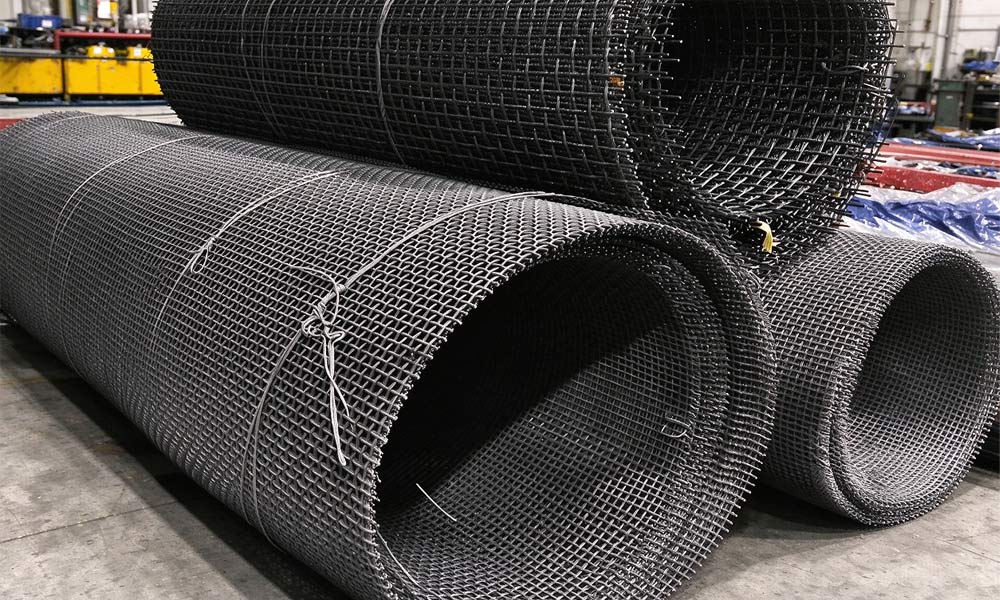
The weight-based price exists because wire is a traded commodity and weaving is a conversion process, so a Metal Woven Mesh maker can quote fast without re-engineering every inquiry. Take wire diameter, mesh count, and alloy, calculate wire length per square meter, multiply by density—304 at 7.93 g/cm³, 316L a touch heavier, low-carbon steel lighter—add the theoretical weight, then pad for weave loss, edge trim, sampling, and the offcuts that never become saleable cloth. When nickel or molybdenum spikes, the per-kg quote moves the next morning, which protects the mill but transfers all raw-material risk to the buyer. The trap is that weight pricing hides skill: a 100-mesh 316L cloth and a loose 100-mesh "stainless-looking" cloth can weigh almost the same while performing nothing alike, because aperture control, wire roundness, annealing, and crimp consistency are labor and know-how, not kilograms. A Metal Woven Mesh buyer who only compares kg prices is comparing the metal, not the screen.
Where the Weight Formula Lies
The first lie in weight pricing shows up on fine mesh: as wire gets thinner, labor, loom time, breakage, and inspection rise, but the kg number falls, so the factory either loads the margin into a "fine-mesh conversion factor" or quietly widens tolerance to weave faster. The second lie is alloy substitution—"304 grade" mesh that screens fine but pits in a copper-slurry circuit costs less per kg and fails per tonne. The third lie is open area: a heavier wire gives more weight and more revenue per square meter while shrinking the opening, so a weight-priced Metal Woven Mesh can be over-specified in metal and under-performing in separation. Smart buyers ask for the quote to be split: wire metal value, weaving/conversion value, surface treatment value, packing value, and certificate/QA value. Once those lines exist, the Metal Woven Mesh stops being a mystery kilo of steel and becomes a bill of process steps, and only then can procurement see whether the mill is expensive because nickel is expensive or because the conversion line is doing the heavy lifting.
Negotiation Levers That Actually Move the Number
Beating up a supplier on unit price usually just moves the cheating to the wire diameter or the crimp; the better game is to negotiate the variables a weight quote pretends do not exist. Volume bundling is the obvious one—rolling twelve SKUs into one annual framework lets the mill plan loom slots and buy wire in bigger coils, and the saving is real because setup, not steel, is often the cost driver on Metal Woven Mesh. Tolerance trading works too: if the process can live with ±0.08 mm instead of ±0.03 mm, say so, because tight tolerance fine mesh is where conversion cost explodes. Buyers also trade incoterms, payment terms, and packaging—FOB instead of CIF, 30/70 instead of 30/40/30, returnable steel crates instead of burned wooden cases—and those levers often beat squeezing the kg price by two cents. Another quiet lever is repeat-width optimization: if the loom wastes 80 mm on every panel because the spec width is awkward, shifting the order to a standard loom width can cut trim scrap and drop the effective price per usable square meter of Metal Woven Mesh without touching the alloy. The buyer who negotiates "conversion, scrap, packing, and payment" instead of "price per kg" usually keeps the quality and still gets the better deal.
Strategic Negotiation: Moving Beyond Base Price
Effective procurement of woven metal screens involves negotiating on total cost of ownership, not just the initial invoice. A core strategy is to shift the conversation from price per kilogram to cost per operating hour. Inquire about the expected service life under your specific conditions . A screen made from a premium alloy might cost 20% more but last 50% longer, representing a far better investment. Negotiate based on documented performance data or case studies. Additionally, discuss volume discounts for larger orders or framework agreements, and clarify the cost implications of different edge preparations, as these affect both price and installation efficiency.
Leveraging Competitive Insights for Optimal Value
The most informed negotiations occur when you understand the full landscape of screening solutions. When evaluating quotes for woven metal screens, ask suppliers to explain how their product’s value proposition compares to alternative technologies for your application. For instance, in certain high-wear or dewatering scenarios, a different type of screen media might offer a better lifetime cost, even with a higher upfront price. Encouraging suppliers to provide this comparative analysis demonstrates your thoroughness and positions you to make the most economically sound decision for each specific screening task in your plant, ensuring every dollar spent maximizes your return on investment.
Mastering the procurement of woven metal screens means looking past the weight on the scale to the value on your production line. By understanding the material and manufacturing factors behind the price, negotiating based on longevity and total cost, and fostering transparent discussions about alternative solutions, you transform a routine purchase into a strategic decision that enhances operational reliability and boosts your bottom line.