If you are running a sand production line at a quarry, you must have experienced this: the screen wears out quickly, the holes keep getting clogged, and the replacement costs erode your profit margin. In recent years, wear-resistant PU screens have gradually replaced traditional metal screens and become the preferred choice for most quarry sand production lines. Their outstanding practical performance has perfectly solved many pain points faced by sand and stone processing enterprises.
Specially designed for resistance to wear and tear, and it is more durable
Let's start with the most important data: The wear resistance of polyurethane screens is 3 to 5 times that of steel wire screens, and more than 5 times that of ordinary rubber. In other words, in practical applications, the screens that originally could only be used for 3 to 4 months now have a lifespan extended by 8 to 10 times. For instance, a coal mine replaced 20-millimeter manganese steel plates with 15-millimeter polyurethane plates. As a result, the lifespan of the screens increased from 12 months to 68 months, and the annual replacement cost was reduced by 60%. This is not a laboratory experiment; it is real money saved on the production line.
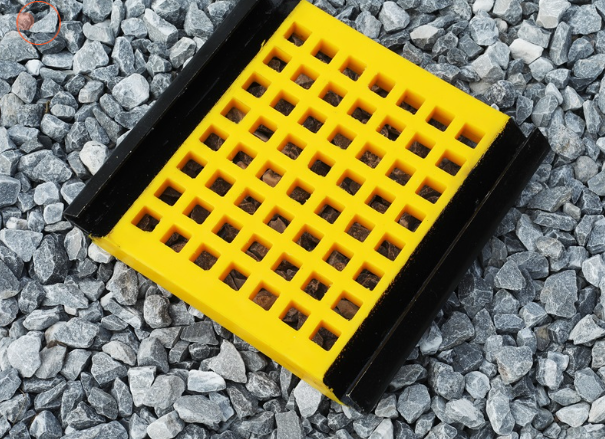
Self-cleaning means shorter downtime
Wet sand and fine particles are very likely to clog metal openings. Operators often have to stop the machine and use hammers or brushes to clean the screen, which affects the production progress. Polyurethane screens have natural anti-adhesion properties. Their slight flexibility generates micro-vibration effects when moving on the material surface, which helps fine particles pass through smoothly and avoid accumulation. The blockage rate can be reduced by up to 60%, and the screening efficiency can be increased by 15% to 20%. For sand lines in quarries that operate for more than 16 hours a day, this difference in operating time is significant.
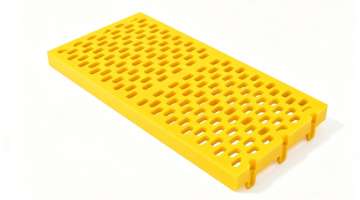
wear-resistant polyurethane screen
The density of polyurethane is approximately 1.32 grams per cubic centimeter, which is only one-third of that of steel. Under the same screening area, the weight is significantly reduced. This means that the working load of the vibrating equipment is decreased, and the motor power can be saved by about 30%. By upgrading 12 screening machines, a copper mine saved 180,000 yuan in electricity costs annually. The installation speed is also faster. Workers can replace the screen mesh in just a few minutes instead of several hours.
Solve the problems of noise and corrosion
The quarry environment is harsh - humid, dusty, and highly chemical. Metal nets will rust, rubber nets will age, but polyurethane screens can handle it easily. They can resist acids, alkalis, oils and moisture, and won't be damaged. The applicable temperature range is from -50°C to 80°C. No matter whether you are in the winter of Northeast China or the summer in the south, the performance remains stable and reliable. And the noise reduction effect is a real plus - it is 5 to 20 decibels lower than metal screens. This is exactly the difference between a noisy workplace and a place that truly meets occupational health standards.
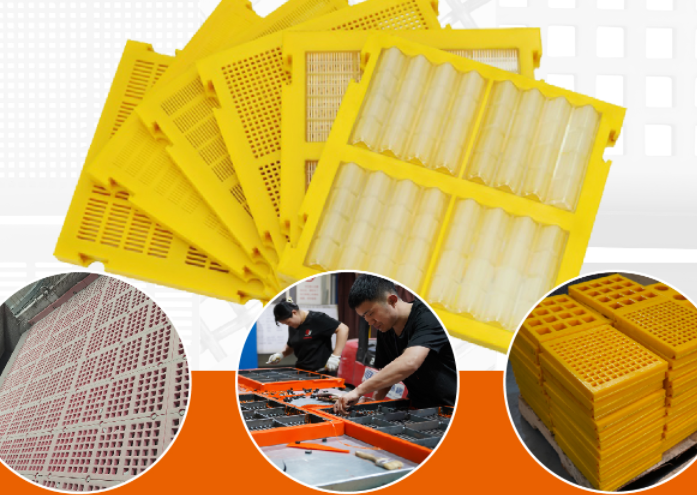
Cost reduction leads to an indirect improvement in actual economic benefits
The initial cost of polyurethane screens is higher than that of ordinary steel wire screens. However, wise purchasers will pay attention to the total cost per ton. Longer replacement cycle of screens, fewer emergency shutdowns, reduced energy consumption due to smoother operation, and the reduction in the manpower required for maintenance - all these factors combined result in significant economic advantages. Many quarries have reported that even after operating multiple shifts per week and processing thousands of tons of materials, the cost per ton of screening has significantly decreased after switching to polyurethane screens.
With the continuous upgrading of production standards in the quarrying industry, higher requirements have been placed on the components of screening equipment. The wear-resistant PU screen mesh, with its outstanding wear resistance, anti-blocking performance, low noise, low corrosion, and low maintenance cost, perfectly meets the high-intensity and high-precision working needs of modern sand and gravel production lines. Undoubtedly, it is the ideal screen mesh choice for the quarrying and gravel processing industries.