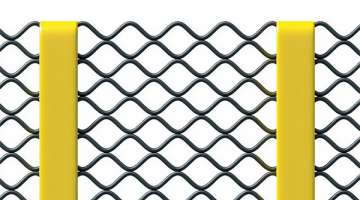
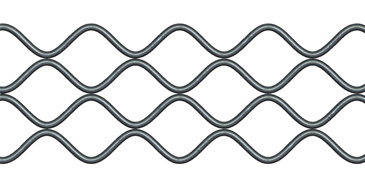
High Carbon Steel Screen: Metallurgy and Carbon Content Guide
Most mining screens do not fail because the aperture was wrong or the deck was misaligned—they fail because the steel underneath was never honest about how much carbon it carried. A High Carbon Steel Screen is bought on the promise of hardness, but carbon is the quiet variable that decides whether that promise holds up under sharp ore, heavy impact, and twenty-four-hour scouring. The interesting part is that more carbon is not automatically better; it is a sliding scale where hardness, wear resistance, and brittleness move together until the mesh either outlasts the shift or shatters in the first week.
The Carbon Window That Actually Works Underground
When buyers hear “high carbon,” they picture one vague material, yet the useful range for a High Carbon Steel Screen sits roughly between 0.60% and 1.00% carbon, and the sweet spot for most mining duties is tighter still, around 0.75% to 0.95%. Below that band the wire cannot form enough martensite after quenching, so it softens under abrasive feed and loses aperture shape; push past 1.0% and the same wire turns glassy, gaining surface hardness while quietly sacrificing the impact toughness needed when a hundred-kilo boulder lands on the deck. Grades like 65Mn, sitting near 0.65% carbon with manganese to lift hardenability, are popular precisely because they land in the zone where the mesh stays rigid yet survives vibration instead of cracking at the crimp.
How Carbon Becomes Hardness in the Heat-Treated Wire
Carbon does not make steel hard by itself—it rewires the microstructure, and that is where a High Carbon Steel Screen earns its rating. During quenching, carbon-rich austenite transforms into martensite, a strained, needle-like structure that resists scratching and deformation, while leftover carbon forms iron carbides that act like microscopic armor along the wire surface. After tempering, those carbides refine and distribute evenly, giving the mesh HRC-level surface hardness without the raw brittleness of as-quenched steel. In plain shop terms: the higher the carbon within the safe window, the more carbides the screen carries, and the slower sharp silica or iron ore can grind the wire down to a hole.
Why Wear Resistance Is Really a Toughness Negotiation
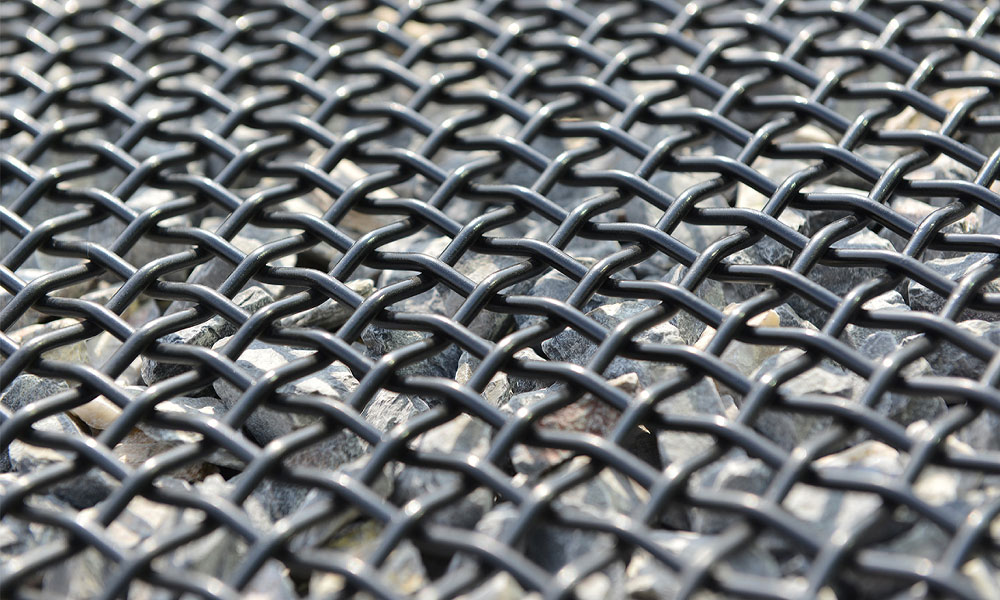
Abrasion tests love to praise hardness, but on a real screening deck wear resistance is a negotiation, and a High Carbon Steel Screen has to argue on both sides of the table. Pure hardness stops shallow scratching; toughness stops the wire from snapping when the load concentrates at a crossing point. Too much carbon loads the panel with hardness but drains the toughness, so the screen resists everyday scuffing yet fails dramatically when a jagged lump strikes the feed end. That is why mature suppliers do not chase maximum carbon—they tune carbon plus temper temperature so the surface wears slowly while the core keeps absorbing cyclic stress without initiating fatigue cracks.
Reading the Spec Instead of Trusting the Label
The trap in procurement is accepting the phrase “high carbon” as if it were a measurement, because two screens with the same label can behave like different metals once woven and heat-treated. A credible High Carbon Steel Screen specification lists actual carbon content, manganese and chrome additions, quenching medium, temper window, surface hardness by HRC, and a mill certificate tied to the heat number. When a supplier can show that the wire was austenitized correctly, oil-quenched to martensite, and tempered for mining impact, the buyer is no longer guessing from a catalog photo—they are buying a predictable wear curve rather than a roll of hope.
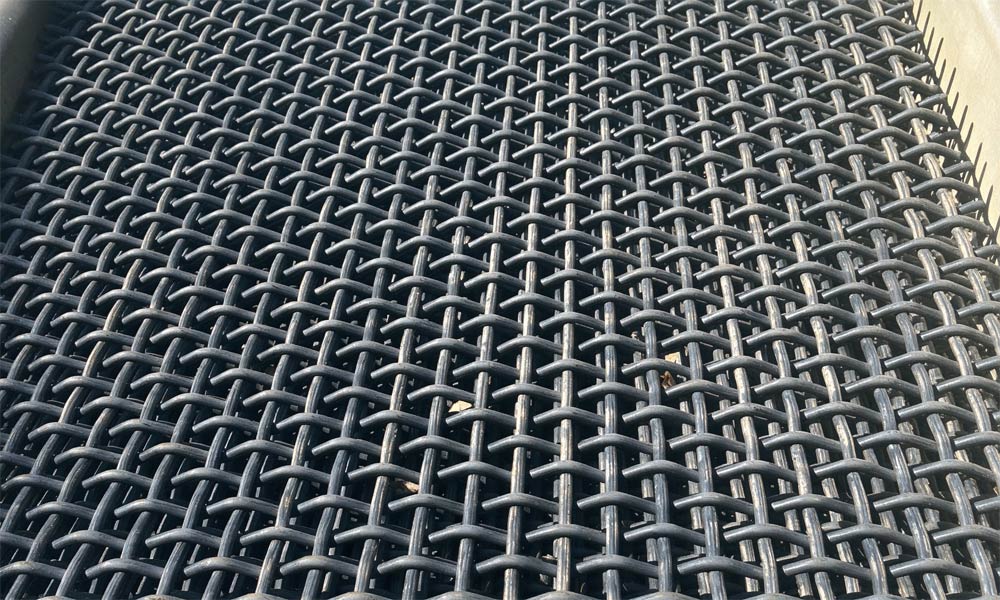
Match the Carbon to the Ore, Not the Price Sheet
Selecting a High Carbon Steel Screen is less about finding the hardest number and more about matching metallurgy to the rock in front of you, since wet sticky ore, dry sharp aggregate, and coarse run-of-mine boulders each punish a different weakness in the steel. Ask for the carbon range, ask how it was heat-treated, and ask what hardness the feed end actually needs before signing the order. Our team helps plants translate ore gradation and deck conditions into a verified wire specification, so the screen arrives with the right balance of bite resistance and impact survival. Share your feed size, moisture, and current failure pattern with us, and we will specify a high-carbon mining screen built to outlast the shift—not just survive the first load.
The carbon content and heat treatment state determine the balance between hardness and impact toughness of high carbon steel screens. Proper metallurgy matching with your ore characteristics can effectively extend service life and reduce unexpected screen breakage on the vibrating screening deck.