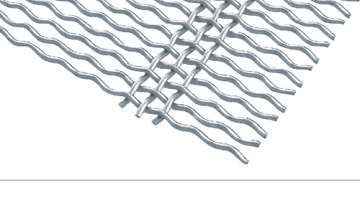
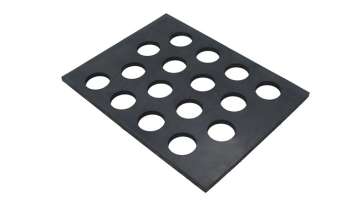
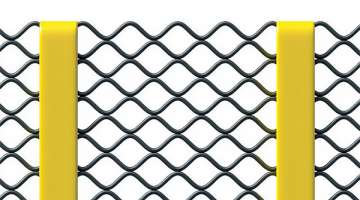
In modern sand-making plants, one-size-fits-all screening won’t cut it. Different screening stages require the selection of different screen configurations.
Start with the Right Screen Type for Each Stage—Don’t Guess, Design
For coarse screening after primary crushing, use a heavy-duty inclined vibrating screen with large openings to quickly remove oversized rock. Move to medium screening with a horizontal linear screen ,it’s perfect for splitting 5–15mm fractions without blinding. For fine screening and final sand grading, switch to a high-frequency screen or a VU tower system with FM Control Screens. These can precisely adjust fineness modulus and separate stone powder from sand in one dry step — no water, no sludge, no waste. The right setup at each stage cuts reprocessing by up to 40%.
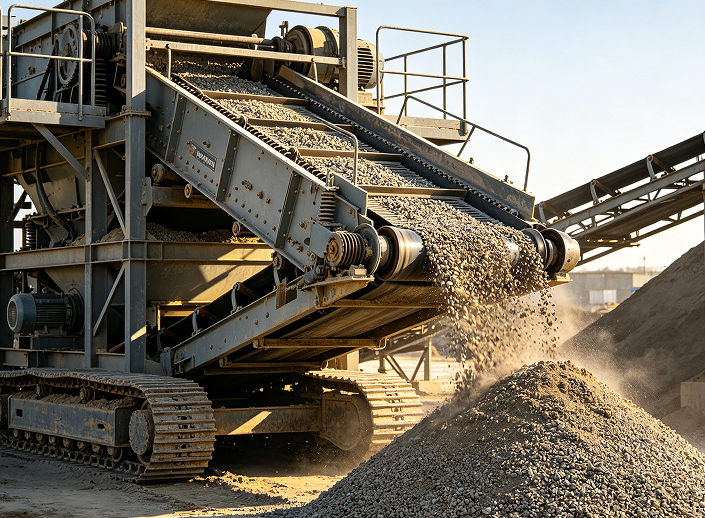
Polyurethane Screen Panels Have a Lower Overall Cost
How can screen costs be controlled? You’ll hear “steel mesh is cheaper”,and it is, at first glance. But look closer. A steel screen might cost 1,000andlast6weeks.A polyurethanescreen? 5,000 but it lasts over a year. In one North American quarry, switching from steel to polyurethane cut screen replacements from 5 per year to zero. That saved 40,000 indown time and 1,000 in labor, the total annual savings is $42,000 per deck. Polyurethane also resists blinding, handles wet materials better, and reduces noise. The math isn’t about price per unit,it’s about total cost of ownership.
Routine Inspection and Preventive Measures for Screens Are More Important Than Repairs
The biggest money leak? Unexpected downtime. Top plants run a simple rule: change exciter oil every 800 hours, no exceptions. Use only the manufacturer’s grease,mixing types kills bearings. Install automatic tensioners so mesh stays tight without manual tweaks. And track screen wear with a logbook: note material type, humidity, and when capacity drops. One plant noticed sand output fell every time they processed recycled concrete,they switched to a square-hole screen and cut maintenance visits by 60%. Prevention isn’t extra work — it’s profit protection in order to control the screen cost.
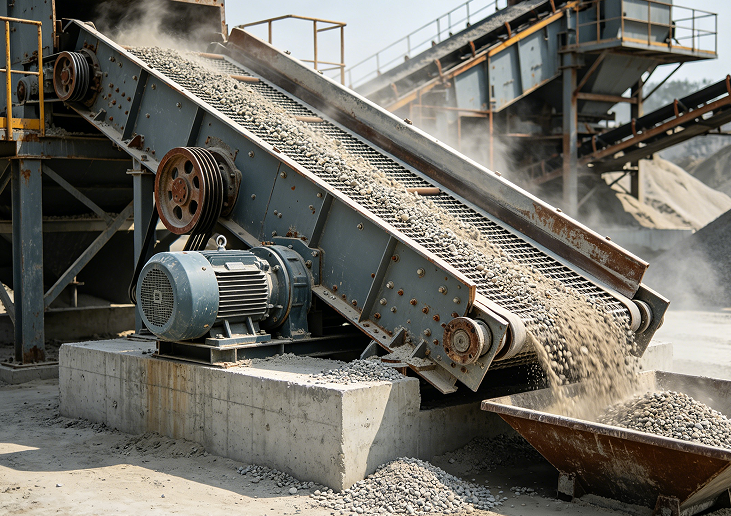
Selecting screens for sand and gravel screening requires more than just meeting operational needs; it demands scientific process design. For a plant that understands mesh cost control, the purchase is not merely about the screens themselves, but about ensuring the equipment's stable, continuous operation.