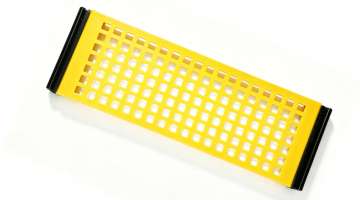
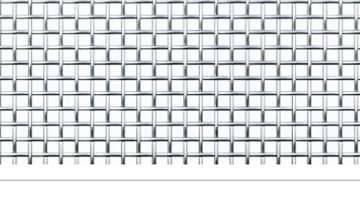
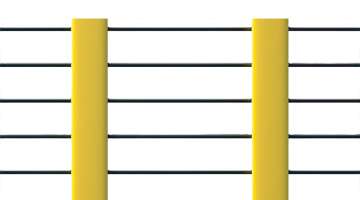
Increasing the capacity of a mineral processing plant often comes down to how you set up your screens. Many plant managers assume the only way to boost production is to buy larger, more expensive equipment, but they often find that the output doesn't improve much. The real issue is that the screens are clogging or simply aren't efficient. Refining your screen configuration is frequently the fastest and most affordable way to get more out of the plant.
Choose the Appropriate Screen Combination Based on Material Characteristics
You need to choose a screen setup that matches the material you are processing. Since different ores have different levels of hardness, moisture, and mud, you cannot just copy what another plant is doing. If you are dealing with wet ore, screens tend to clog quickly. In this situation, the top layer should use self-cleaning screens with larger openings to get the big rocks out of the way first, which takes the pressure off the lower layers. If the ore is particularly muddy or sticky, using bar screens or tension screens is usually a better choice. You have to understand the material before you can pick the right screens.
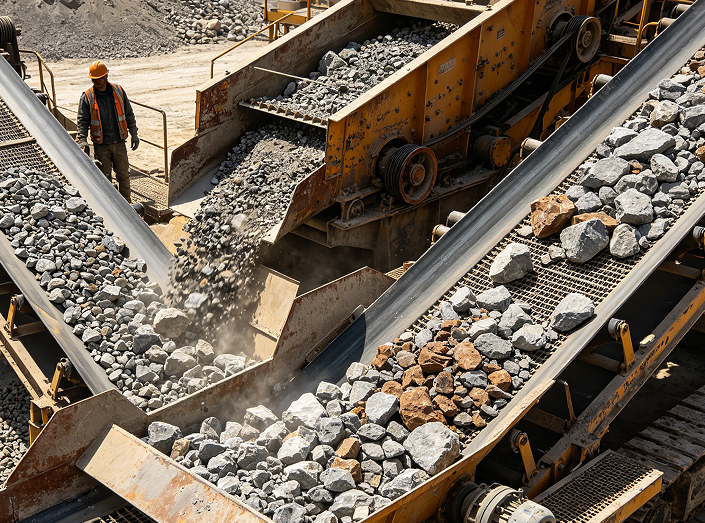
Pay Attention to the Balance Between Upper and Lower Layers When Selecting Screen
It is also important to balance the workload across the different screen layers. The top screen should be tough enough to handle large pieces and protect the layers underneath. The middle layer handles the finer grading, while the bottom layer ensures the final product meets the right specifications. A good guideline is to keep the size ratio between the top and bottom screen openings between 2:1 and 3:1. For example, if the top layer has 40mm openings, the bottom should be around 15mm. If the difference between these sizes is too big or too small, the screening process won't work as well as it should.
Regularly Check the Screen Condition and Adjust Promptly
Regular maintenance is just as important as the initial setup. Even a great configuration will lose its effectiveness as the screens wear down and the openings get larger. It helps to check the condition of the screens at least once a month, looking closely at the edges and areas that take the most impact. If the openings have deformed by more than 10 percent, you should replace the screen.
Improving production through better screen configurations is not a difficult process. If you observe how the material moves, test different setups, and stay on top of repairs, you can increase your plant's capacity while keeping costs down.