If you’ve ever looked at the discharge end of a ball mill, you’ve seen the
chaos. A torrent of pulverized ore, water, and steel grinding media all hitting
the screen at once. It’s a brutal environment that chews up equipment. For
decades, steel trommel screens were the standard, but they often became a
bottleneck. Today, rubber trommel screens have emerged as the smarter choice,
delivering high-efficiency classification while shrugging off the corrosive
slurry that destroys metal.
Precision Classification in a Flood of Material
The primary job of a trommel screen here is to separate the "oversize"
pebbles and scrap balls from the fine slurry. The challenge is doing this
without getting blinded by wet, sticky material. Rubber trommel screens excel at
this because of their unique surface properties. Unlike steel, rubber has a
natural "non-stick" quality. The constant flexing of the rubber panels during
rotation creates a self-cleaning action that prevents fine particles from
plugging the apertures. This keeps the open area high and ensures a consistent,
efficient classification, sending only the correctly sized slurry onward to the
cyclones.
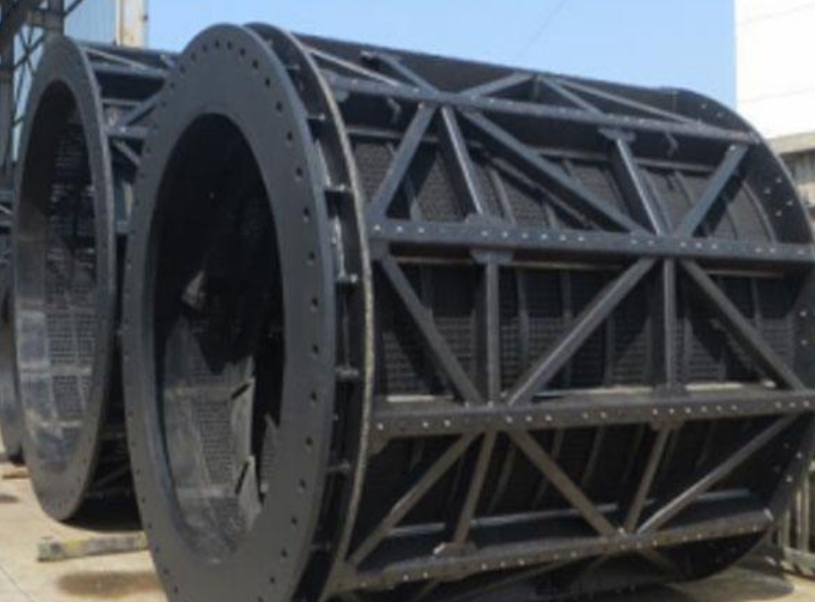
Corrosion and Chemical Resistance of Cylindrical Rubber Screens
Let’s talk about the elephant in the room: corrosion. The discharge from a
ball mill is a chemical soup—often acidic or alkaline depending on the ore
body—mixed with oxygen and abrasives. Steel doesn't stand a chance; it rusts,
pits, and thins out rapidly. Rubber, however, is chemically inert. A
high-quality rubber trommel screen is highly resistant to this corrosive
environment. It doesn’t rust, and it withstands the chemical attack that eats
away at metal. This means the screen maintains its structural integrity and
aperture size for much longer, ensuring your classification stays accurate.
Protecting the Mill and the Crew
There’s a practical side to rubber that operators love: it’s quiet. A steel
trommel is deafening, but a rubber one significantly dampens the noise. More
importantly, it protects the mill itself. By absorbing the impact of the
tumbling charge, the rubber lining reduces the stress transferred back to the
mill trunnion and bearings. It’s a simple change that reduces maintenance across
the entire grinding circuit.
In short, upgrading to a rubber trommel screen at the ball mill discharge is
a strategic move. It delivers sharper classification, laughs at corrosion, and
extends the life of your equipment. For any plant looking to maximize uptime at
the heart of their operation, rubber isn’t just an alternative—it’s the new
standard for high-efficiency screening.


Leave A Reply
By using form u agree with the message sorage, you can contact us directly now