For mining and mineral processing operations running tailings dry stacking
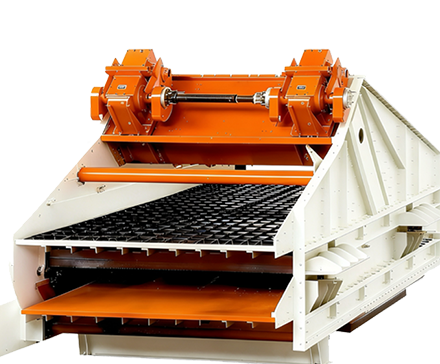
systems, picking the right Polyurethane High‑Frequency Dewatering Screen
panels is one of the most impactful choices to cut final tailings cake moisture,
reduce transportation costs for dry stacking, and eliminate the environmental
risks that come with wet tailings pond storage. Many operations that use generic
dewatering panels designed for general mineral processing find their systems
cannot keep up with the unique fine particle size, high slurry volume and long
continuous running demands of tailings treatment, leading to frequent panel
clogging, rapid wear and unstable dewatering performance that drag down the
whole dry stacking workflow.
Aperture Design Matched to Tailings Particle Size
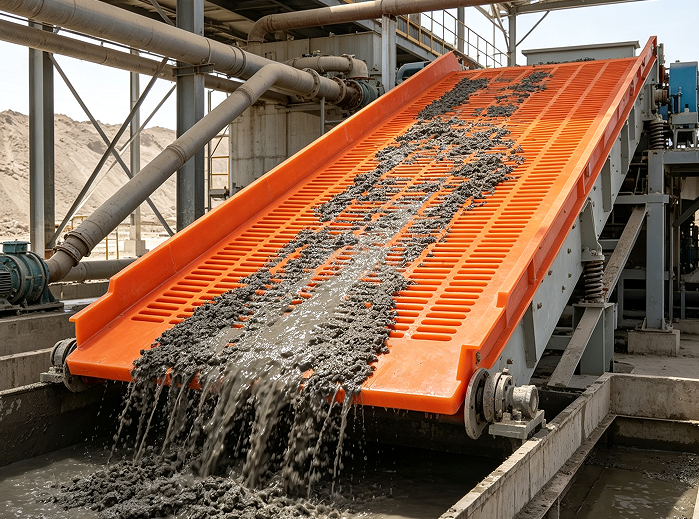
The first core selection step is to pick a narrow slotted aperture design
with opening dimensions carefully sized to your site’s specific tailings
particle distribution, to maximize water drainage while preventing fine tailings
particles from passing through the screen deck and being lost back into the
underflow slurry. The best Polyurethane High‑Frequency Dewatering Screen
panels for tailings dry stacking use elongated slotted openings aligned parallel
to the material flow direction, which drastically reduces the chance of
near‑size tailings particles getting stuck inside the apertures and blocking off
the screen’s effective open area.
Material Hardness Adapted to High‑Frequency Vibration Load
The second key consideration is selecting a medium‑hardness polyurethane
formulation optimized to stand up to thousands of hours of continuous
high‑frequency vibration, without developing premature surface fatigue cracking
or edge deformation after months of non‑stop operation. Unlike overly soft
panels that deform under constant high‑frequency vibration and lose their
consistent deck flatness, properly tuned Polyurethane High‑Frequency Dewatering
Screen panels maintain their structural stability even during 24/7 continuous
operation, keeping dewatering performance consistent across long production
cycles.
Deck Modularity for Fast On‑Site Maintenance
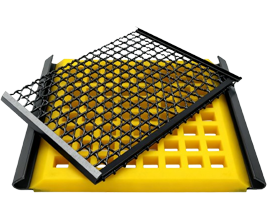
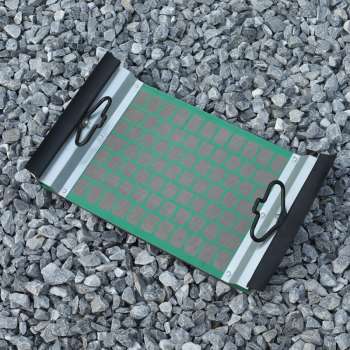
The third critical selection factor is choosing a modular panel design that
lets maintenance teams remove and replace only the small local sections that
wear out fastest, instead of pulling out and replacing the entire full screen
deck when localized damage appears. This modular structure drastically cuts down
spare parts costs and reduces the time needed for screen deck maintenance, so
the whole tailings dry stacking system can get back to full operation in minutes
instead of hours.
A well‑matched Polyurethane High‑Frequency Dewatering Screen setup tailored
to your site’s specific tailings properties will help you hit the required low
cake moisture for dry stacking, cut long‑term operating costs and make your
whole tailings management process far more stable and low‑maintenance. If you
need a fully customized selection plan built around your exact tailings particle
size, slurry flow rate and existing high‑frequency screen deck dimensions, our
technical team can deliver a targeted solution that fits your dry stacking
process perfectly.


Leave A Reply
By using form u agree with the message sorage, you can contact us directly now