Let’s be honest: nobody gets excited about tailings. But in modern mining, how you manage that waste stream defines your bottom line and your environmental footprint. The old way—building massive, risky tailings dams—is rapidly becoming a thing of the past. Today, the industry is moving toward tailings dry stacking, and at the heart of this revolution is a powerful duo: the high-frequency polyurethane fine screen and its star player, the dewatering panel.
The Magic of the High-Frequency Polyurethane Fine Screen
When you're dealing with tailings, the goal is simple: get rid of the water. High-frequency polyurethane fine screens are perfectly suited for this job. Unlike traditional vibrating screens that rely on brute force, these screens use a high-speed, low-amplitude vibration. This action generates a powerful "pumping" effect that forces water through the fine apertures while keeping the solid particles on the screen. The result is a much drier, stackable cake that can be safely stored or even used for backfill.
Inside the Dewatering Panel: Why It Works So Well
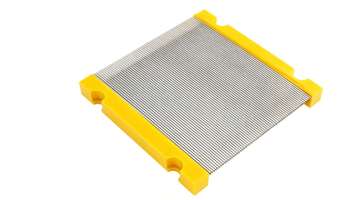
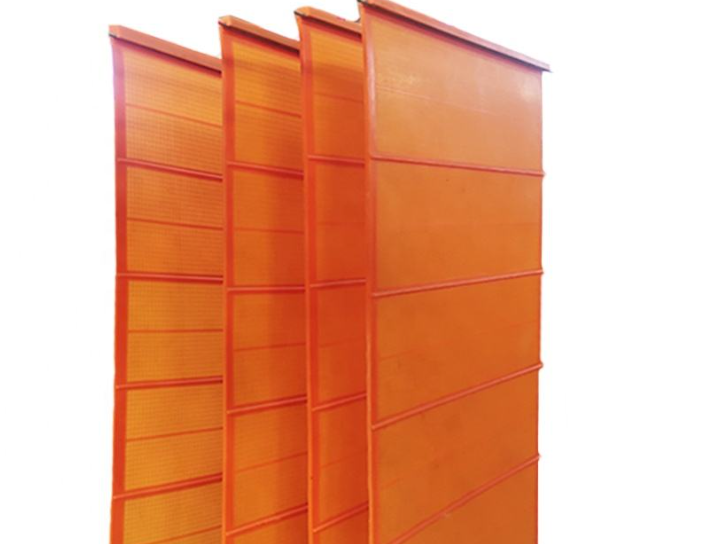
The real secret sauce of High-Frequency Polyurethane Fine Screen is the dewatering panel itself. These aren't just flat sheets of polyurethane; they are meticulously engineered components. The key is the design of the apertures—often featuring tapered slots that are wider at the bottom. This design prevents clogging and maximizes the open area, allowing water to escape quickly. Furthermore, the polyurethane material has a natural "snap" or flex during vibration. This elasticity helps to break the surface tension of the water, giving it an extra push through the screen. It’s a simple, elegant solution to a messy problem.
The Importance of Dewatering Screen Panel Performance in Tailings Dry Stacking
The performance of dewatering screen panels directly impacts the quality of tailings screening for dry stacking. High-performance panels yield tailings with very low moisture content, which not only facilitates transport but also allows for compaction into stable stacks. This reduces the reliance on tailings dams and lowers the risk of catastrophic failure, while simultaneously recovering significant amounts of process water for reuse. It is undoubtedly a win-win solution for both operational safety and sustainable development.
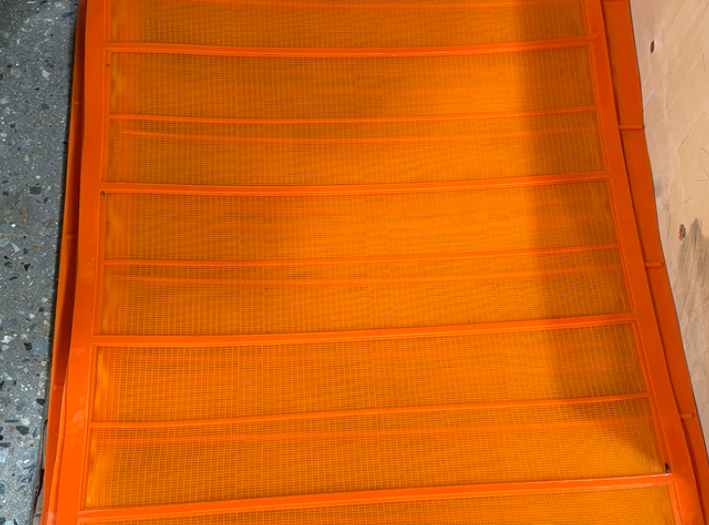
In short,utilizing high-frequency polyurethane fine screens in conjunction with high-quality dewatering panels enhances overall production efficiency. This approach ensures compliance with environmental regulations while maintaining smooth production operations. If you frequently employ dry tailings stacking processes, polyurethane high-frequency fine screens are an excellent choice.