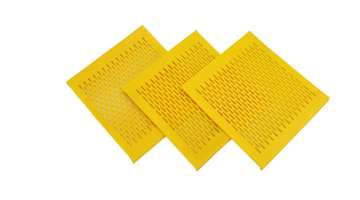
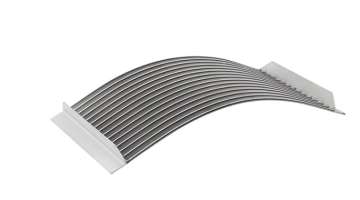
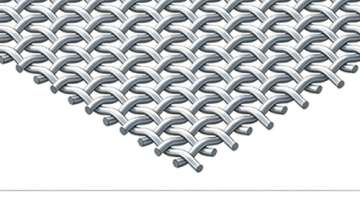
Dewatering Hump Screen Plates: A High-Efficiency "Accelerator" for Coal Mine Dewatering
In the coal washing and processing stage, coal slurry dewatering has long been a challenging issue. Traditional screen plates are prone to clogging and offer slow dewatering rates; the resulting coal cakes remain soggy, which not only increases transportation costs but also negatively impacts the coal's calorific value. In recent years, thanks to their unique structural design, dewatering hump screen plates have become a "new favorite" in the field of coal mine dewatering. How do they actually perform? What are their tangible advantages?
What is the "Hump" Structure
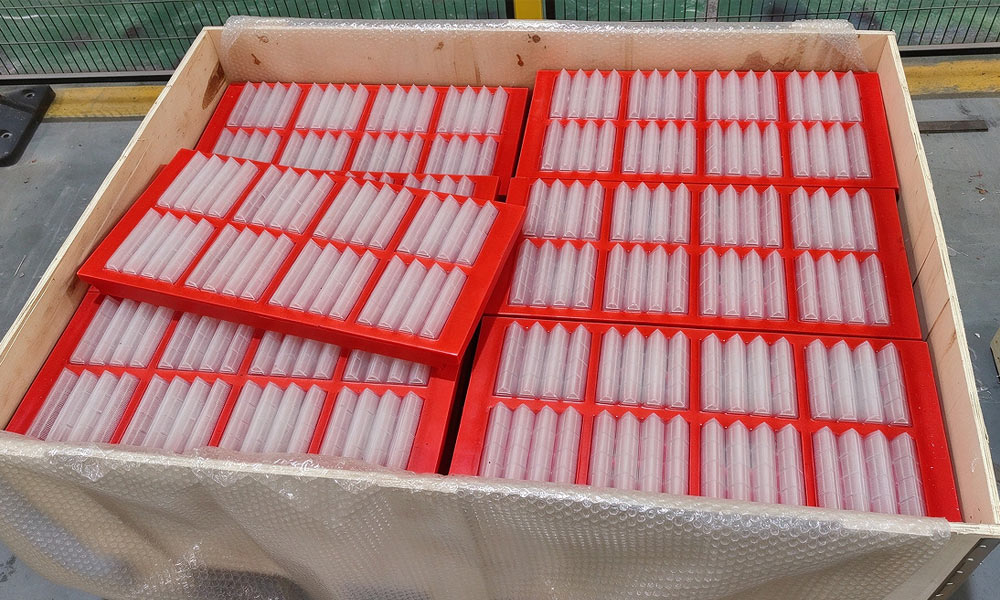
As the name suggests, the surface of hump screen is covered with continuous protrusions and grooves, resembling a camel's back. It differs significantly from standard flat polyurethane or stainless steel screen plates. As the coal slurry flows across the screen surface, these protrusions alter the flow dynamics; instead of a simple, smooth flow, they generate intense turbulence and a negative-pressure drainage effect. Simply put, the physical structure is used to "fling" the water out.
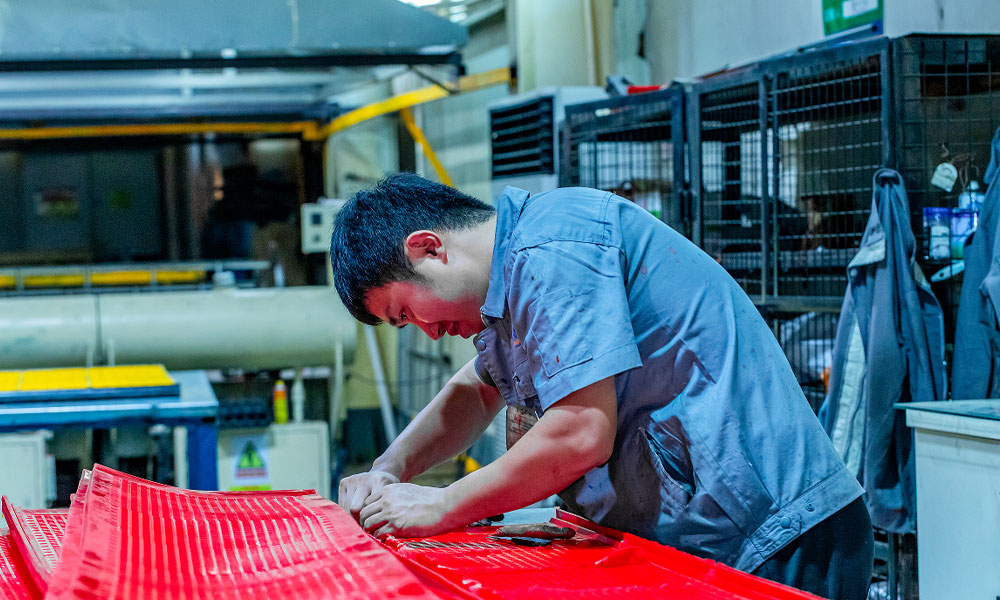
Real-World Performance in Coal Mine Dewatering
In practical applications, the advantages of the dewatering "hump" screen plate are readily apparent. First, its dewatering efficiency surpasses that of standard screen plates; the "squeeze-and-release" cycle generated by the humps forces out capillary water from the coal slurry, effectively reducing filter cake moisture content by 2%–5%. Second, the design resists clogging and material adhesion while preventing the loss of coarse particles. The hump structure enhances the screen's self-cleaning capability; as coal slurry flows rapidly through the channels, sediment is less likely to accumulate and block the screen apertures. Simultaneously, it effectively retains fine coal particles, minimizing the loss of coarse material and ensuring high clean-coal recovery rates. Third, it offers superior material processing capacity; due to the rapid dewatering rate, the throughput of hump screen plates typically exceeds that of traditional screens for a given surface area, thereby alleviating the load on downstream pressure filtration equipment.
Durability and Economic Benefits
Beyond their performance, these plates are exceptionally rugged. High-quality dewatering hump screen plates are typically made from wear-resistant polyurethane, combining the strength of steel with the elasticity of rubber. It withstands high-frequency vibration without easily cracking, often boasting a service life more than three times that of metal screen plates. Although the unit price is slightly higher, the overall cost drops significantly when factoring in savings on electricity and transportation, as well as reduced downtime for maintenance.
The dewatering "hump" screen plate represents more than just a simple component upgrade; it is a revolution in efficiency for coal dewatering processes. Its unique hydrodynamic design addresses key industry pain points—specifically slow dewatering rates, high moisture content, and susceptibility to clogging. For coal preparation plants striving for lean production and seeking to reduce tailings moisture and logistics costs, switching to hump screen plates often yields immediate, tangible results.