Polyurethane Screen Prototyping Costs and Free Sample Request Process
For industrial operations and equipment design teams developing new screening systems or upgrading existing vibrating screen decks, getting accurate information about Polyurethane Screen prototyping costs and a clear, straightforward free sample request process is one of the most important steps to avoid unexpected budget overruns and unnecessary delays in their project timeline. Many teams that are new to custom screen sourcing worry that prototyping will be far more expensive than they planned, or that the sample request process will drag on for weeks without clear communication from the supplier, making it hard for them to lock in a reliable timeline for their full project rollout. A transparent, well‑structured workflow for Polyurethane Screen prototyping and free sample requests eliminates almost all these unnecessary frustrations, helping teams test new designs without wasting extra time or budget.
Transparent Prototyping Cost Breakdown
The core cost of custom Polyurethane Screen prototyping usually comes from three main parts: small custom mold modification fees, raw material preparation and the manual labor required to cast, finish and test the single prototype panel, and most reliable suppliers structure these costs to stay very reasonable for most standard custom design projects. For custom designs that only require minor adjustments to existing standard molds, most suppliers can keep prototyping costs extremely low, while fully unique custom designs that require a completely new small prototype mold will have clearly communicated one‑time fees that avoid hidden charges or surprise add‑ons later in the process.
What Actually Drives Prototype Cost
The bill for a Polyurethane Screen Panel prototype is rarely one number; it is three or four smaller numbers stacked together. The first is tooling or mold state—if your size already matches a standard 305×305 mm, 305×610 mm, or 610×610 mm mold, the factory may only tweak insert bars or aperture inserts, and the prototype cost stays modest; if you want a brand-new deck layout, crown profile, tapered slot pattern, reinforced feed nose, and a nonstandard fastening system, the shop has to machine or modify a prototype mold, and that one-time cost is what people actually fear. The second cost is material preparation: polyether vs polyester PU, MDI vs TDI system, Shore A target, filler loading, anti-UV package, steel-cord or fabric reinforcement, and color masterbatch all change the prep time even before pouring. The third is casting and finishing: degassing, pouring, oven cure, demold, trimming flash, grinding the crown, and checking aperture tolerance by gauge or microscope is manual work that does not scale down to zero. The fourth is testing—Shore A, tensile dumbbell, tear, abrasion, rebound, hydrolysis or brine soak, and a dimensional report.
The Free Sample Myth vs the Real Sample Path
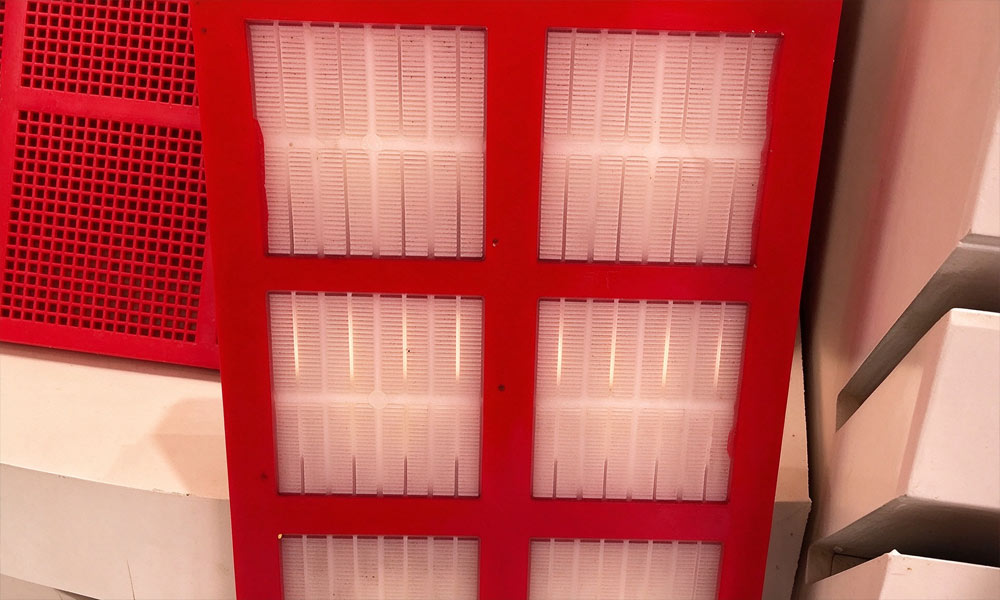
A free Polyurethane Screen Panel sample is perfectly normal—for the right request. If you want to feel the surface, check the slot geometry, verify the Shore A with your own durometer, confirm the pin-and-sleeve fit on your frame, and run a small pile of limestone or coal through a test screen, most factories will ship a standard-size sample and only ask you to cover courier freight. That is reasonable: the panel is cheap, the shipping is the annoyance, and the supplier filters out tyre-kickers who will never buy. The misunderstanding starts when a buyer emails “send me a free custom panel for my 822×696 mm three-deck manganese screen with flip-flow zones and brine-resistant PU” and gets annoyed at a tooling quote. Custom prototyping is not a giveaway; it is engineering time, steel for the mold, polymer chemistry, and risk. A mature sample path looks like this: first, send drawings/photos/old worn panel and get a feasibility reply; second, receive a standard comparable sample free or low-cost to validate compound and finish; third, pay a documented prototype/mold fee for the true custom shape; fourth, run a tagged field trial and measure aperture drift, wear per 1,000 t, pegging count, and changeout interval; fifth, negotiate the mold fee off the table once the bulk order crosses an agreed volume. Free samples build trust; custom prototypes build the product.
How to Request Without Wasting Two Weeks
The supplier is not a mind reader, and a vague inquiry (“hi send PU screen sample”) usually dies in the inbox or triggers a generic catalogue dump. A useful Polyurethane Screen Panel sample request reads like a mini process spec. Start with the machine: make, model, serial, deck number, flat or crowned deck, support-bar spacing, rail/pin/bolt/clip system. Then the duty: material type, top size, PSD, moisture, clay or slime content, abrasiveness, throughput tph, stroke, frequency, deck angle, spray-water use, slurry pH or brine concentration. Then the panel: length × width × thickness, aperture size and shape—square, round, slotted, tapered, harp—Shore A target, polyether/polyester preference, reinforcement, color, wear-indicator requirement, and the exact failure you are trying to fix: blinding, pegging, edge tearing, fast wear at feed nose, loss of aperture accuracy, or poor dewatering. Attach three photos: the existing deck, the failed panel, and the fixing interface. Say clearly whether you want a free standard sample, a paid prototype, or a trial panel set for one deck position.
Simple, Low‑Hassle Free Sample Request Process
For teams that only need to test the material quality, surface finish and basic dimensional accuracy of an existing standard Polyurethane Screen design, the free sample request process is usually very straightforward, with no complicated paperwork or large upfront fees required. Most professional suppliers only ask for a clear confirmation of the exact screen specification you need, your delivery address and basic contact information, then ship small standard samples out within 2 to 3 working days, so you can run your own on‑site performance tests before placing any large bulk production order.
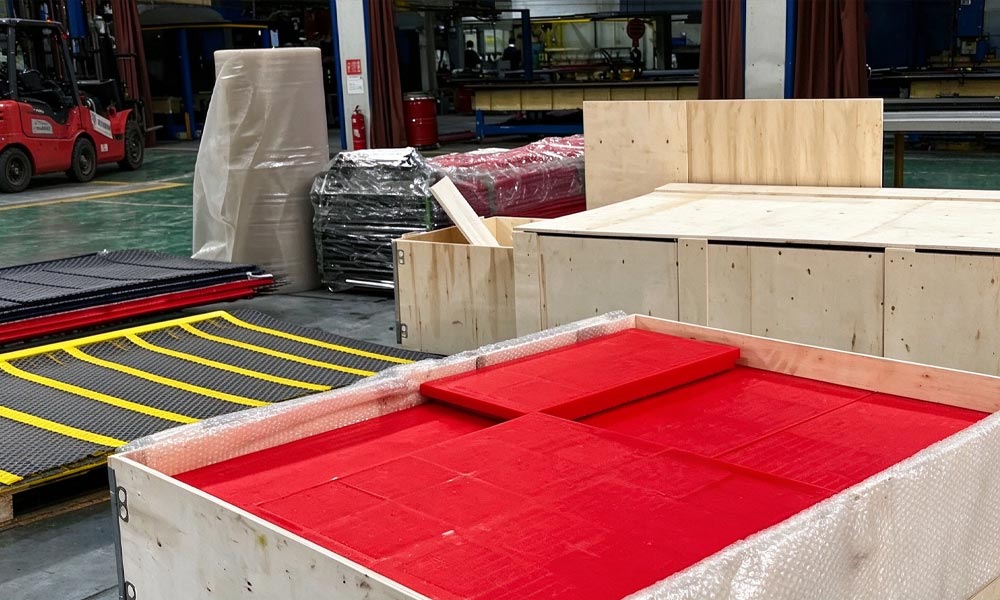
A clear, no‑hidden‑fee structure for Polyurethane Screen prototyping and a simple, fast free sample request process take most of the risk and uncertainty out of testing new screen designs for your operation, so you can confirm performance on your own site before committing to a full bulk order. If you have a custom prototype requirement or need to request free standard samples for on‑site testing, our team can walk you through every step and get your samples shipped out on a fast, clear timeline that matches your project schedule.