Zone‑Optimized Media for Mineral Classification Circuits
If you have ever run a mineral classification circuit, you know how frustrating it is to pull a full screen deck apart just to replace one small localized section that wore through on the high-impact feed zone, wasting hours of production time and throwing away perfectly good undamaged screen media. After years troubleshooting underperforming classification decks with mineral processing engineers across North China, I have seen far too many operations waste tens of thousands of dollars on full continuous screen decks that force unnecessary full replacements when only 10 percent of the surface is worn out. This practical, field-tested guide breaks down exactly how modular polyurethane screen panels solve these persistent mineral classification pain points, drawing on real on-site lessons generic supplier marketing never shares.
Circuit-Zoned Custom Tuning For Different Classification Stages
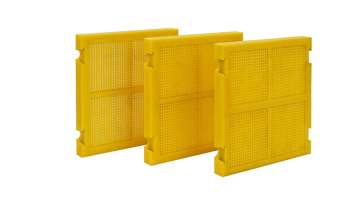
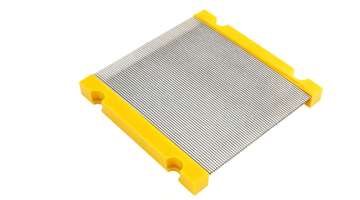
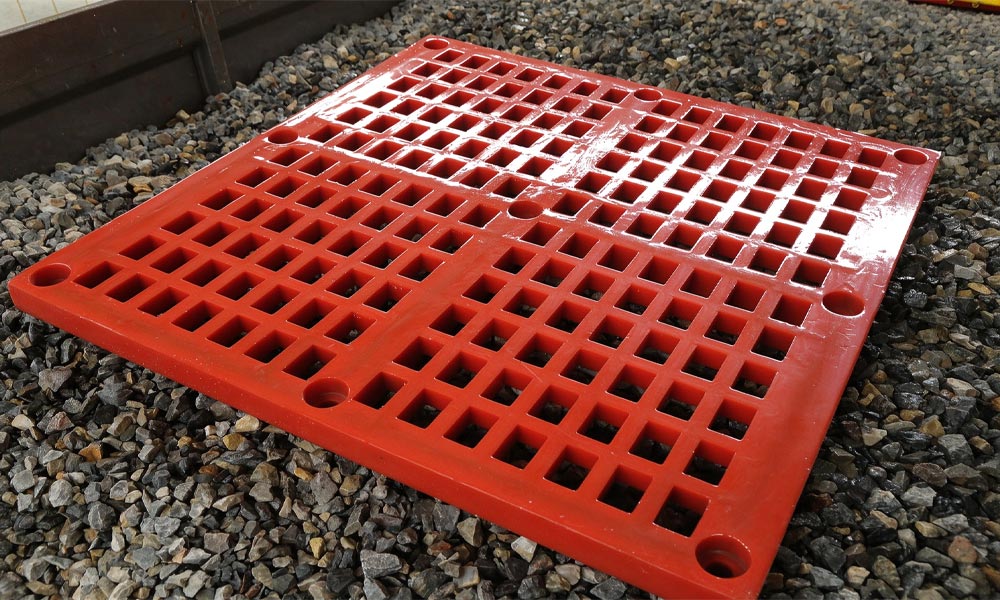
The first non-negotiable advantage of a purpose-built modular system is that you can mix and match different panel designs across different zones of your classification deck, no need to cover the entire surface with a single one-size-fits-all screen, making high-quality Polyurethane Screen Panels far more effective than continuous media for multi-stage mineral classification. Top-tier mineral processing suppliers let you select extra high-impact reinforced panels for the coarse pre-classification feed zone, fine precision aperture panels for the mid-deck size separation stage, and high-open-area dewatering panels for the final fine classified product discharge zone, all on the same deck with no custom fabrication required. They also tune each panel’s exact material hardness, aperture shape, and open area percentage to match the specific duty of its zone, so you get maximum abrasion resistance where you need it most, and maximum classification precision where fine cut point accuracy is critical. This level of zone-specific tuning is impossible to achieve with a single continuous screen deck, and it directly boosts your classification efficiency and total panel service life by a huge margin.
Localized Wear Replacement That Cuts Spare Parts Waste
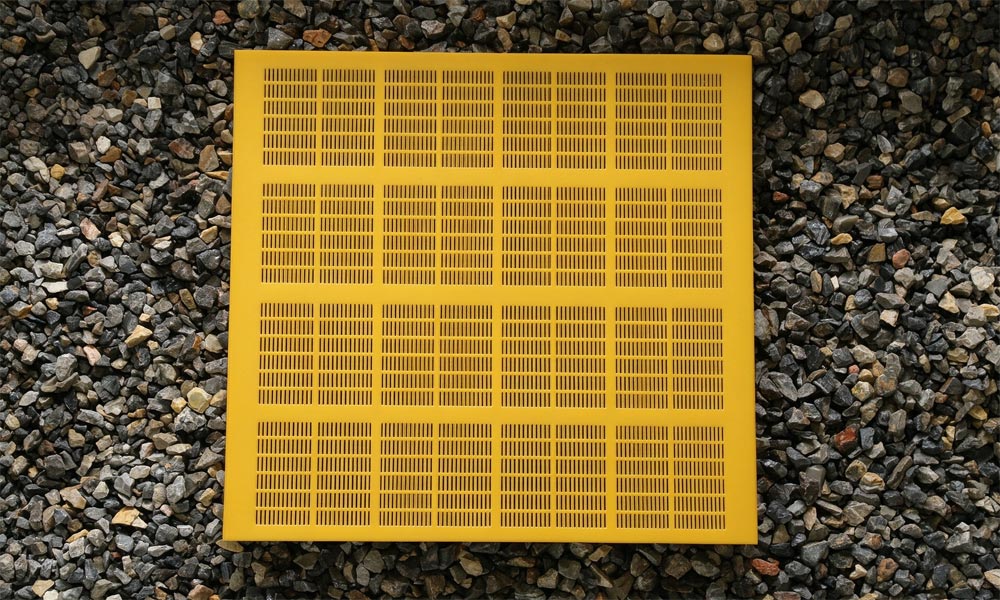
The second core operational benefit is that you only need to replace the small individual panels that show heavy localized wear, instead of throwing away an entire full screen deck when just one small section tears or wears out, and this design makes well-built modular Polyurethane Screen Panels drastically reduce your long-term spare parts cost for mineral classification circuits. On most mineral classification decks, 80 percent of all heavy wear is concentrated in the first 20 percent of the deck near the high-volume feed point, while the rest of the deck sees very light abrasion and stays in perfect working condition for far longer. Instead of replacing the entire deck every time the feed zone wears through, you can simply swap out 3 or 4 individual worn panels in the high-wear zone, leaving all the undamaged panels in place to keep running for thousands more hours. This eliminates almost all the unnecessary spare parts waste that comes with full continuous screen decks, cutting your total annual screen media cost by 50 percent or more in most real-world mineral classification operations.
Universal Locking Mounting For Fast Zero-Modification Installation
The third major practical advantage for on-site maintenance teams is the standard universal modular locking design that fits almost every major brand of mineral classification screen deck on the market, no custom on-site drilling, cutting, or fabrication required, making heavy-duty mineral classification Polyurethane Screen Panels far faster and easier to install than custom continuous screen decks. Each individual panel locks directly into your existing deck’s modular support rails with simple hand-tightened fasteners, so even a brand new maintenance team that has never worked on your deck before can install a full set of panels in less than an hour. The modular design also means you do not need any special tensioning tools or heavy lifting equipment to position and secure the panels, drastically reducing the risk of installation errors that cause premature panel failure. Most specialized regional suppliers also stock all common mineral classification panel sizes and aperture configurations in local warehouses, so you can get emergency replacement panels delivered to your site within 24 hours if you have unexpected localized damage, eliminating the risk of multi-day downtime waiting for custom fabricated continuous screens.
 Consistent Cut Point Stability For Precise Fine Mineral Separation
The final, most impactful operational benefit is the rigid, dimensionally stable panel construction that holds every aperture to its exact original design size for its entire service life, delivering perfectly consistent classification performance that never drifts over time, making premium modular Polyurethane Screen Panels one of the highest-return upgrades for any precision mineral classification circuit. Unlike woven wire decks that gradually stretch and deform their apertures as they wear, leading to drifting cut points that let oversize material contaminate your fine classified product or send valuable fine mineral lost to oversize tailings, these solid molded polyurethane panels never change shape, so your classification cut point stays exactly on spec shift after shift, month after month. Their smooth non-stick aperture surfaces also drastically reduce blinding from sticky fine mineral particles, so you maintain consistent flow and classification accuracy without constant manual cleaning stops. This stable, precise performance directly boosts your valuable fine mineral recovery rate and eliminates costly product rework caused by inconsistent classification results.
At the end of the day, upgrading your mineral classification circuit to modular polyurethane screen panels is far more than just swapping out one wear part for another; it is a targeted, low-risk upgrade that solves almost all the most frustrating, costly pain points that come with running precision mineral classification operations. The zone-specific custom tuning, localized wear replacement savings, fast zero-modification installation, and consistent stable cut point performance combine to slash unplanned downtime, cut your total annual screen media cost, and boost your fine mineral recovery rate. For operations tired of wasting money throwing away perfectly good screen media, dealing with drifting cut points, and waiting days for custom replacement screens, this simple upgrade will deliver immediate, measurable improvements to your entire mineral classification line’s long-term profitability.