For mineral processing sites that run 24/7 vibrating screening circuits, missed or delayed screen abrasion checks often lead to unexpected screen panel tear, misclassified material output, and unplanned downtime that can cost thousands of dollars in lost production in just a few hours. Many on-site maintenance teams shared that they used to rely on random visual checks during rare shutdowns, which made it impossible to track gradual wear progression accurately over time. A standardized, easy-to-follow workflow for Screen Abrasion Checking helps you spot wear issues early, extend screen panel service life, and avoid all the unnecessary losses that come from sudden screen failure.
Pre-Shift Running Equipment Visual Inspection
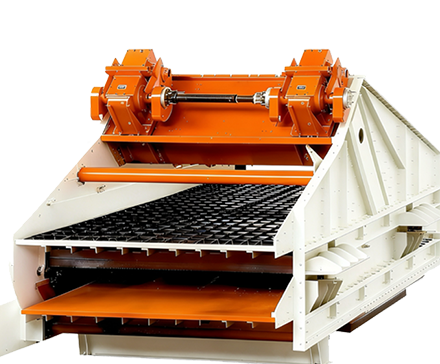
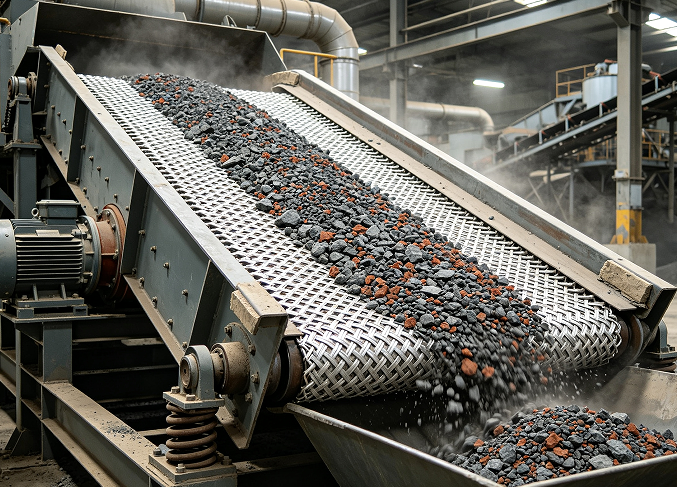
The first quick daily check takes no more than 5 minutes before each shift starts, where maintenance staff stand at a safe distance from the running screen deck to observe the material flow trajectory across the full screen surface, and look for uneven material accumulation or fine particle leakage that often signals localized abrasion thinning the screen mesh. This low-effort daily check catches early abnormal wear signs long before they develop into full panel damage, making your routine Screen Abrasion Checking far more proactive than waiting for obvious failure to appear.
Scheduled Shutdown Full Deck Wear Mapping
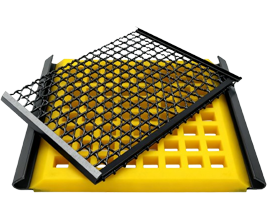
The second core inspection step carried out during every weekly planned shutdown uses a digital thickness caliper to measure the remaining material thickness at 9 evenly distributed fixed points on every single screen panel, and marks all measured values on a printed deck map to track how wear progresses across different sections of the screen over weeks of operation. This method lets you accurately calculate the exact remaining service life of each panel, avoid replacing still-usable panels too early to waste spare part budget, and make your Screen Abrasion Checking data fully traceable for future maintenance planning.
Post-Check Tension and Parameter Calibration
The third critical follow-up step after every abrasion check re-adjusts the screen panel tension and fine-tunes the screen’s vibration parameters to match the current remaining wear level of the mesh, instead of keeping all settings locked at the values for brand new panels. This small adjustment reduces extra friction and uneven stress on partially worn panels, extending their usable life by 10% to 15% on average, and makes your Screen Abrasion Checking process deliver tangible operational benefits beyond just recording wear data.
Following this layered inspection workflow will drastically reduce unexpected screen failures, cut unnecessary spare part waste, and keep your screening line running at stable classification efficiency for far longer.


Leave A Reply
By using form u agree with the message sorage, you can contact us directly now