Fine Screen Panels For High Precision Classification
High precision classification lives or dies on the screen panel, because the panel is the one component that actually decides where the cut point sits. A plant can have excellent feed control, a well-tuned machine, and experienced operators, and still miss its specification if the fine screen panels are the wrong aperture, the wrong material, or simply worn past the point where they hold size. Choosing panels for this duty is therefore less about picking a product from a catalogue and more about matching media to a defined separation task. This guide walks through the factors that should drive the decision, from the definition of the cut point itself to material choice, panel construction, machine compatibility, and the practical checks that keep a fine deck performing after installation.
Start With The Cut Point, Not The Catalogue
The most common mistake in panel selection is starting with what is available rather than with what the separation actually requires. Fine screen panels have to deliver a defined cut, so the first step is to establish the target aperture, the acceptable tolerance around it, and the proportion of near-size material in the feed, because near-size particles are what test a panel's precision. A feed with a high proportion of particles close to the cut point will demand a more accurate aperture and a more stable panel than a feed where the cut sits in a sparse part of the size distribution. The required capacity and the permitted oversize and undersize limits also shape the choice, since a tight specification may justify a more expensive panel while a loose one may not. Getting this definition right at the start prevents the familiar situation where a plant buys good media and still misses the cut because the target was never clearly stated.
Material Choice And What It Means For Precision
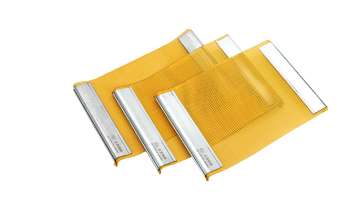
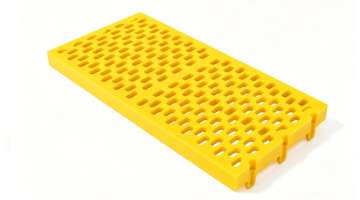
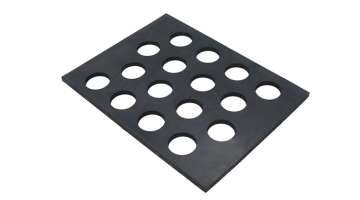
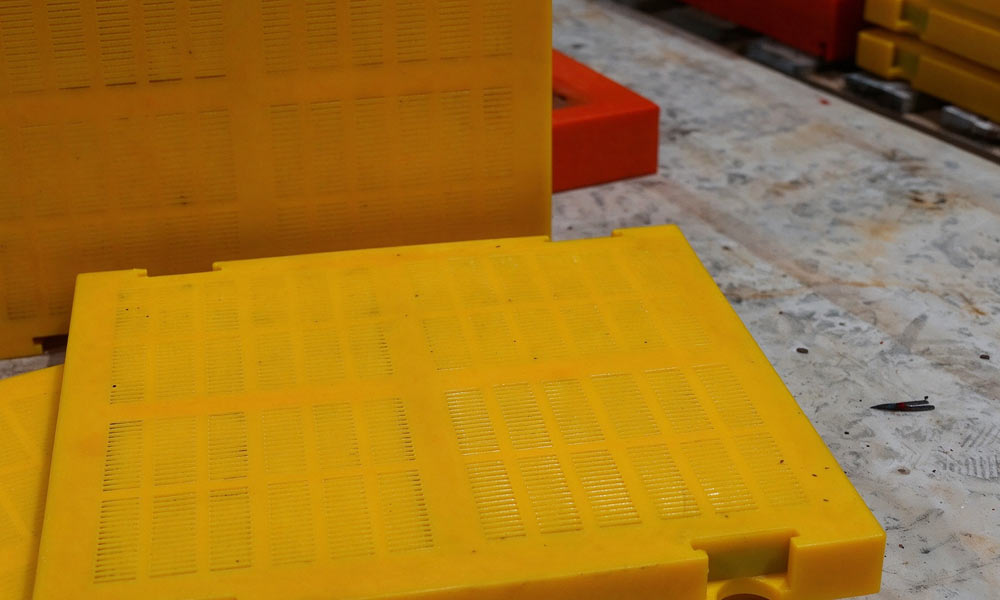
Material selection is where precision and durability meet, and the trade offs are real rather than theoretical. Fine screen panels are commonly made in polyurethane, in rubber, and in woven wire or wedge wire, and each behaves differently at the cut point. Moulded polyurethane holds apertures accurately and resists blinding in damp duty, which makes it a strong default for fine wet classification, while rubber offers excellent wear life in coarse abrasive duty but is less precise at very fine apertures. Wire and wedge wire give high open area and sharp cuts in dry duty but are prone to aperture distortion and to pegging with near-size particles. The compound hardness within a material family also matters, since harder compounds wear longer but can be less forgiving on flexible decks, and softer compounds clear apertures better but wear faster. The right answer depends on the feed, the duty, and how tight the specification really is.
Panel Construction, Open Area And Machine Compatibility
Two panels with the same aperture can perform very differently depending on how they are built and how they sit on the machine. Fine screen panels vary in thickness, in the shape and taper of the aperture, in the amount of open area they present, and in the frame or backing that gives them stiffness, and each of these affects both capacity and cut accuracy. A tapered aperture passes near-size particles more readily than a straight one, which can be useful or can blur the cut depending on the target, and open area determines how much material the deck can handle before the bed gets too deep to screen properly. Machine compatibility is equally important, because the panel has to suit the shaker's motion, the deck fixing method, and the support structure, and a panel that is not properly seated will flex, wear unevenly, and lose precision. Modular designs make replacement easier but add joints that must be kept tight, and the fixing system should be checked against the machine rather than assumed.
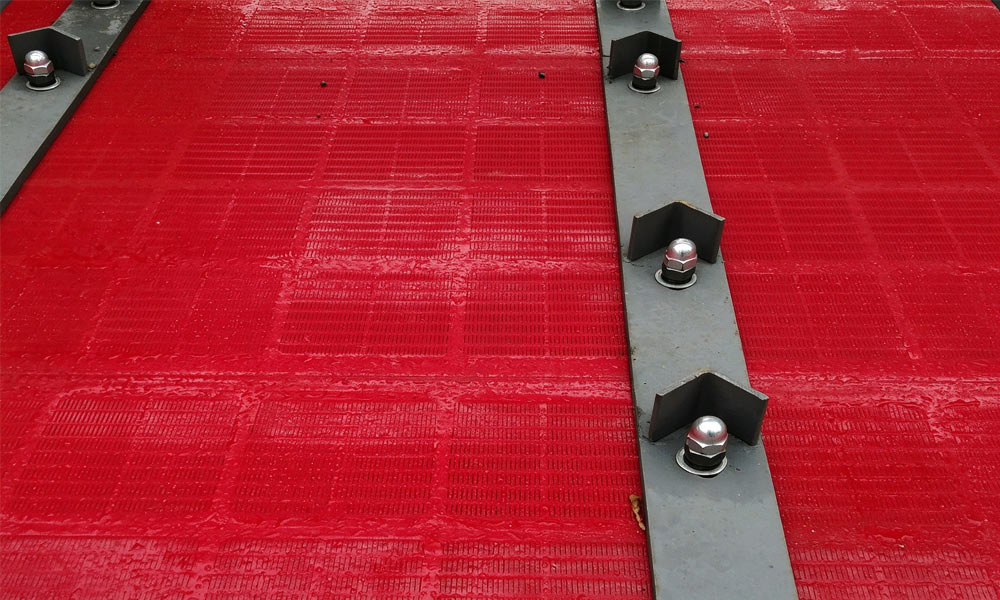
Commissioning, Monitoring And Keeping The Cut Point Honest
Precision is not established at purchase, it is maintained in service, and the routines around the panel matter as much as the specification. Fine screen panels should be commissioned with a check that they are correctly tensioned or fixed, that the deck is flat and clean, and that the machine settings suit the fine cut, since a panel that starts badly seated will never hold size properly. Once running, monitoring should focus on aperture condition rather than only on visible damage, because gradual wear enlarges apertures and shifts the cut point before a panel looks worn out. Sampling the product at regular intervals and comparing it with the specification catches drift early, and keeping a record of panel life against tonnage makes it easier to judge when a change of specification is due. Operators should also watch for partial blinding, since a blinded section reduces effective screening area and quietly changes the cut even when the panel itself is sound.
Selecting fine screen panels for high precision classification comes down to defining the cut point honestly, choosing a material that suits the feed and the duty, and paying attention to construction and machine compatibility rather than treating the panel as an interchangeable part. The panel is the component that holds the specification, so the decision deserves the same rigour as the choice of the machine itself. Once installed, precision has to be maintained through correct seating, regular sampling, and inspection that looks at aperture condition rather than only at breakage. Plants that approach panel selection this way tend to get a stable cut, predictable wear, and fewer surprises in the product, while those that buy on price alone often find themselves chasing specification failures that no amount of machine tuning will fix.