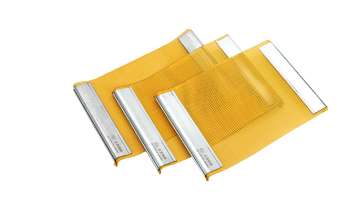
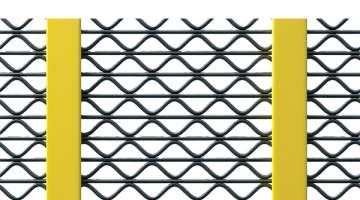
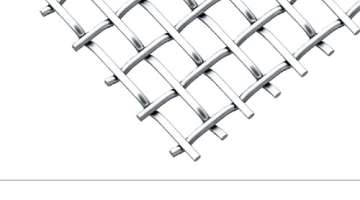
High Frequency PU Fine Screen For Fine Material Separation
Fine material separation is one of those duties where the machine and the media have to agree with each other, and a high frequency PU fine screen is built around exactly that agreement. High frequency vibration keeps a thin bed of fine particles moving and stops it compacting, while the polyurethane surface holds a precise aperture and resists the blinding that fine wet material causes on other media. Together they allow a plant to make a clean separation at sizes that would otherwise be impractical on a conventional deck. This article explains why fine separation is difficult, how high frequency motion and polyurethane media work together, where the combination fits best in a flowsheet, and what operators need to watch to keep the separation efficient over time.
Why Fine Material Separation Needs A Different Approach
Separating fine particles is not simply a matter of using a smaller aperture, because the physics of a fine bed work against conventional screening. A High Frequency PU Fine Screen addresses a set of problems that begin with the bed itself, since fine particles compact under ordinary vibration and form a layer that resists the passage of near-size material through the apertures. Moisture makes this worse by creating capillary bridges between particles, and the result is a deck that conveys material rather than screening it. Fine apertures also blind easily, and once blinded the effective open area drops and the cut point drifts without any obvious sign of damage. Conventional low frequency screens with a deep bed tend to aggravate all of these issues, which is why fine separation often calls for a different combination of motion, bed depth, and surface material rather than a simple change of mesh size.
How High Frequency Motion And Polyurethane Work Together
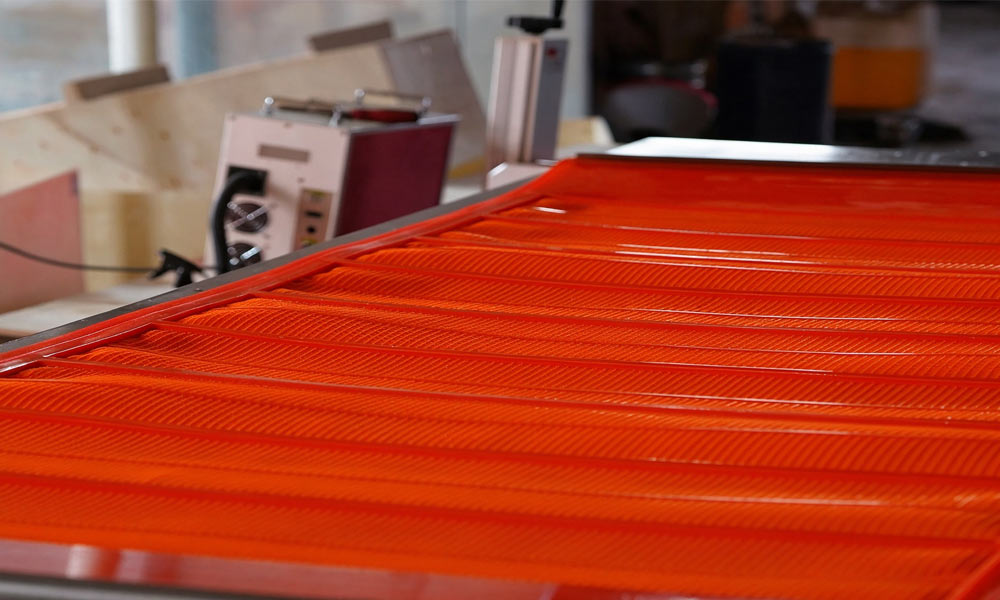
The reason this combination performs well is that the two elements solve different parts of the same problem. A High Frequency PU Fine Screen uses a high frequency, low amplitude motion that keeps the bed thin and lively, so particles are presented to the apertures repeatedly rather than being buried under the material behind them. This motion also helps break the capillary bonds that hold moisture and fine particles together, which improves the passage of near-size material. The polyurethane surface contributes a low friction, resilient screening medium that resists adhesion and blinding, and its controlled flexibility allows slight movement at the aperture edges that helps clear particles that would otherwise peg. The material also tolerates wet, abrasive, and chemically active duty, so the surface stays open and the aperture stays accurate over long runs. Neither element would achieve as much alone, and that is the point of specifying them as a system.
Where The Combination Fits In A Flowsheet
High frequency polyurethane fine screens are not a universal replacement for every deck, and knowing where they fit is as important as knowing how they work. A High Frequency PU Fine Screen is typically used where a fine cut is needed on a wet or damp feed, such as fine coal and mineral processing duties, tailings and slimes handling, and the recovery of fine product from a slurry that would blind a conventional deck. It suits duties where the feed is relatively fine and the bed can be kept thin, and where the target separation is tight enough that aperture accuracy matters. It is less suited to heavy, coarse feeds where a robust scalping deck is the better tool, and it should not be asked to do the work of a dewatering screen where the primary aim is moisture reduction rather than size separation. Matching the duty to the screen is what makes the investment pay.
Operating Practices That Keep Separation Efficient
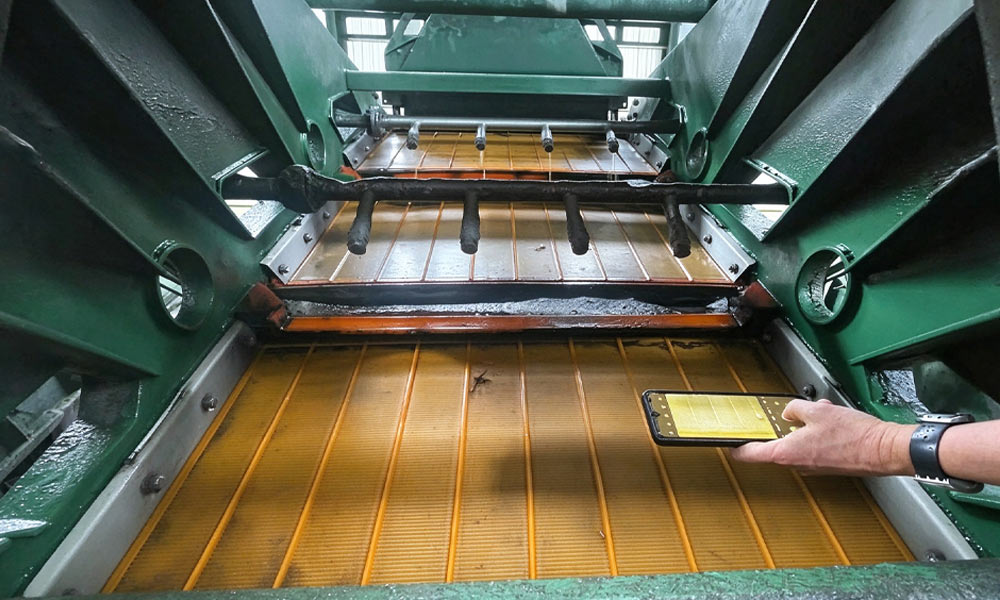
Efficiency in fine separation is maintained rather than installed, and the operating routines around the screen decide how well it performs after commissioning. A High Frequency PU Fine Screen should be fed at a rate and consistency that keeps the bed thin, because overfeeding deepens the bed and undoes the benefit of the high frequency motion, while starved feeding wastes capacity and can cause uneven wear. The feed should be presented evenly across the width of the deck, and spray water, where used, should dilute the slurry and reach the apertures rather than simply wetting the surface. Inspection should look at aperture condition and partial blinding rather than only at visible damage, since a gradual loss of open area changes the cut quietly. Sampling the product at regular intervals and tracking it against the specification catches drift early, and recording panel life against tonnage makes it easier to plan replacements before performance falls away.
A high frequency PU fine screen works because it treats fine separation as a system problem rather than an aperture problem, pairing a motion that keeps the bed thin and lively with a surface that stays open and accurate in wet, abrasive duty. The result is a cleaner cut at sizes that conventional decks struggle to hold, and a separation that stays stable as feed conditions move. It is not the right tool for every position in a plant, and it rewards operators who feed it evenly, keep the bed thin, and inspect for blinding rather than waiting for breakage. Where a flowsheet needs an efficient fine cut on a difficult feed, that combination of motion, material, and attention is what delivers the separation the plant was designed around.