Coal Mining Screen Mesh: Key Durability Features for Coal Prep
If you’ve ever pulled a fine sizing panel out of your coal prep plant after 3 weeks of heavy shift work, staring at deep scoured gouges and full wire breaks that let tons of near-size raw coal leak straight into your clean fine product, you know how much a poorly built screen mesh can eat into your plant’s recovery numbers and unplanned downtime schedule. I’ve spent hours on-site with coal prep maintenance crews across northern China, and almost every single one of them has a story about ordering what looked like a heavy-duty panel, only to watch it wear through in half the advertised service life, forcing them to scramble for a replacement in the middle of a peak production week. This no-fluff, real-world guide breaks down what actually makes a hard-wearing Coal Mining Screen Mesh hold up to the brutal, abrasive conditions of a modern coal washing plant, no empty marketing buzzwords included.
Abrasion-Resistant Alloy Steel Base Material Cuts Down Surface Scouring
The first non-negotiable foundation of a truly long-lasting Coal Mining Screen Mesh is its base alloy steel material, formulated specifically to stand up to the unique mix of sharp coal particles, hard pyrite chunks and abrasive rock fragments that make up raw run-of-mine coal. Generic low-cost mild steel mesh wears down extremely fast when processing this sharp, mixed material, because its soft surface gets scoured away particle by particle every time high-velocity raw coal slides across it, burning through a full panel in less than 2 weeks. The best purpose-built coal washing mesh uses a chromium-manganese alloy steel formulation that goes through a multi-stage heat treatment process, bringing its surface hardness up to a level that resists constant abrasive scouring far better than standard high-carbon steel. Most coal prep plants that switched to this alloy material found that their average panel service life immediately jumped from 2 weeks to 6 to 8 weeks, even when processing highly abrasive raw coal with high pyrite content.
Anti-Fatigue Wire Structure Stops Unexpected Random Wire Breaks
The second easily overlooked feature that separates a reliable Coal Mining Screen Mesh from cheap disposable alternatives is its optimized anti-fatigue wire structure, engineered to handle the constant high-frequency vibration of coal washing decks without developing hidden micro-cracks that lead to sudden breaks. Many budget mesh manufacturers use wire that is too thin for the deck’s operating stroke, so every single wire flexes back and forth thousands of times an hour, building up hidden fatigue that makes them snap out of nowhere after a couple of weeks of operation. A properly built coal washing mesh uses a thicker, precisely tensioned wire diameter matched exactly to your deck’s vibration stroke, so the wire’s natural flex range never hits the fatigue threshold that causes micro-cracks to form. Most operations that upgraded to this anti-fatigue design reported that random unexpected wire breaks dropped by more than 90%, eliminating almost all the mid-shift breakdowns that used to force unplanned shutdowns.
Sealed Anti-Corrosion Surface Coating Resists Wet Slime and Chemicals
The third critical durability feature that most low-quality mesh skips entirely is a sealed, wear-resistant surface coating, a detail that makes a huge difference for a Coal Mining Screen Mesh that runs 24/7 submerged in 12%+ moisture wet coal slime and dilute flotation reagents. Uncoated bare steel mesh develops rust spots and tiny surface pits after a few days of constant exposure to wet slime, and these rough pitted spots become perfect anchors for sticky fine coal particles to cling to, accelerating both blinding and abrasive wear. A properly applied sealed polymer coating fills in every tiny surface imperfection on the wire, creating a completely smooth non-porous surface that wet slime can’t stick to, and that resists corrosion from the mild chemicals used in most coal washing circuits. Most coal prep plants that used this coated mesh found that their blinding rate dropped drastically, and their total panel service life increased by an extra 25% even when running in extremely high-moisture fine slime circuits.
Tightly Locked Inter-Crimp Design Prevents Aperture Distortion
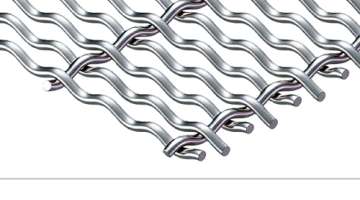
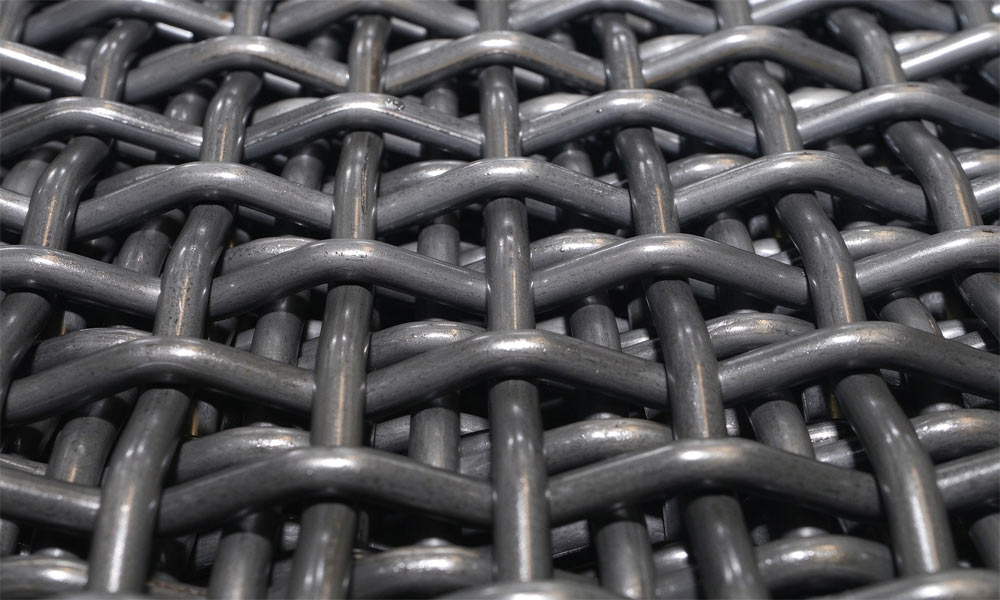
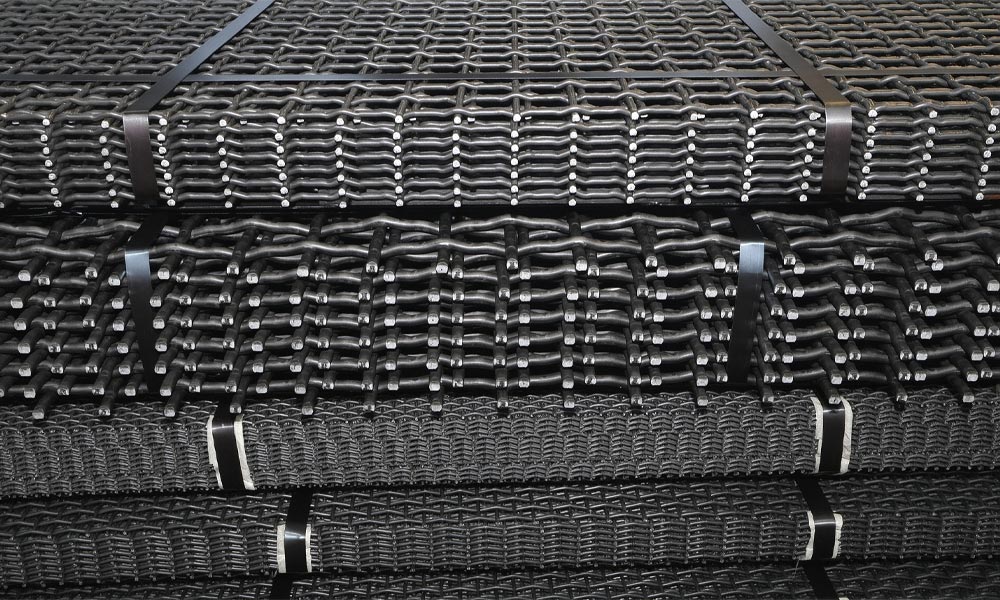
The final make-or-break wear feature that stops your mesh from warping out of shape halfway through its service life is a fully locked double inter-crimp pattern, the hidden design detail that keeps a heavy-duty Coal Mining Screen Mesh performing consistently long after generic mesh starts to fail. Cheap single-crimp mesh lets the interlaced wires slide and shift apart under heavy continuous load, creating random distorted oversized gaps that let oversize raw coal slip through and contaminate your final clean coal product, long before the wires themselves show any real signs of wear. The double inter-crimp design locks every single wire firmly in place at every intersecting point, so no wire can slide, shift or warp even after months of continuous heavy vibration and abrasive scouring, keeping every single aperture perfectly consistent for the full usable life of the panel. Most coal prep operations that switched to this locked crimp design found that their clean coal product gradation stayed perfectly within specification for the entire service life of every panel, with zero unexpected off-spec batches.
By prioritizing these four underrated, field-proven wear resistance features instead of just chasing the lowest upfront price, you can drastically cut your total annual Coal Mining Screen Mesh consumable costs, eliminate hours of unplanned mid-shift downtime, and keep your coal washing plant running at peak consistent throughput far longer.