Aggregate Screen Media: Select the Right Screen
If you’ve ever stood next to a quarry fine sizing deck mid-shift, watching a brand new screen panel wear completely through in 10 days, blinding solid after 2 hours of processing damp granite, or letting tons of oversize rock slip through and ruin your final concrete aggregate gradation, you know how much picking the wrong screen media can eat straight into your quarry’s profit margin. Many quarry operations managers I’ve worked alongside over the years shared that they used to just buy the cheapest generic screen panels they could find, until they ran the numbers and realized that bad media choices were costing them tens of thousands of dollars a year in wasted throughput, rework and unplanned downtime. This practical, field-tested guide breaks down the most common Aggregate Screen Media options and real-world selection tips refined across dozens of hard rock, gravel and sand quarry sites, no vague marketing jargon included.
Woven Wire Mesh for General Coarse to Medium Aggregate Sizing
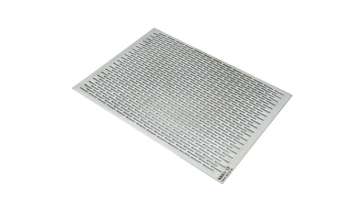
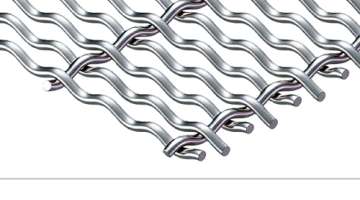
The most widely used baseline option that every quarry maintenance team knows well is the classic woven wire mesh, the most cost-effective Aggregate Screen Media for general coarse and medium aggregate sizing applications where you don’t need extreme anti-blinding performance. Made from interlaced high-carbon steel wires crimped into a consistent square or rectangular opening pattern, this media has a very high open area ratio that lets you push extremely high tonnages through the deck for 19mm to 75mm coarse aggregate cut points, with a low upfront cost that makes it perfect for heavy scalping decks processing clean dry crushed rock. The biggest tradeoff here is that it wears faster than thicker rubber or polyurethane panels, and it clogs up very quickly when processing damp, sticky near-size material, so it works best for quarries running dry, well-crushed hard rock with minimal fines and moisture. Most quarries that use this media for their primary scalping decks report that they get 4 to 6 weeks of solid service life at 300+ tons per hour throughput, with zero unexpected issues.
Modular Rubber Panels for High-Impact Heavy Abrasion Zones
The second extremely durable workhorse option that is built for the harshest high-impact sections of your circuit is heavy-duty modular rubber, the longest-wearing Aggregate Screen Media for the first 1 meter of your feed end where all the heavy falling boulders slam onto the deck. Made from thick reinforced wear-resistant rubber molded around steel reinforcing plates, this media can absorb repeated heavy impact from 100mm+ sharp crushed boulders without denting, tearing or wearing through fast, delivering 3 to 6 months of continuous service life even when processing extremely abrasive high-silica granite. The only real tradeoff is that it has a much lower open area ratio than woven wire, which makes it less ideal for fine sizing below 10mm where maximum open area is critical to hit high throughput. Most quarries that install rubber panels on their high-impact scalping deck feed end find that their total media replacement frequency drops by 70%, and they almost never have to do emergency feed end panel changes mid-shift.
Polyurethane Panels for Mid-Range Fine Aggregate Classification
The third balanced all-around option that strikes a perfect middle ground between wear life and open area is molded polyurethane, the most versatile Aggregate Screen Media for 5mm to 20mm mid-range fine aggregate classification decks in modern quarries. This material is far more wear-resistant than woven wire, delivering 2 to 4 months of service life even when processing sharp crushed limestone and granite fine aggregate, while still offering a much higher open area ratio than solid rubber panels, so you can push far higher fine material throughput without sacrificing gradation accuracy. It also naturally resists blinding far better than steel wire, because the slightly flexible smooth polyurethane surface does not give sticky near-size particles any rough crevices to wedge themselves into, making it a great fit for quarries that process slightly damp aggregate in rainy seasons. Most quarries that switch their main fine classification decks over to polyurethane panels report that their fine aggregate product gradation stays far more consistent, and their total annual consumable costs drop drastically.
Piano Wire Screens for High-Precision Ultra-Fine Aggregate Sizing
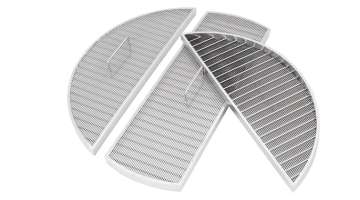
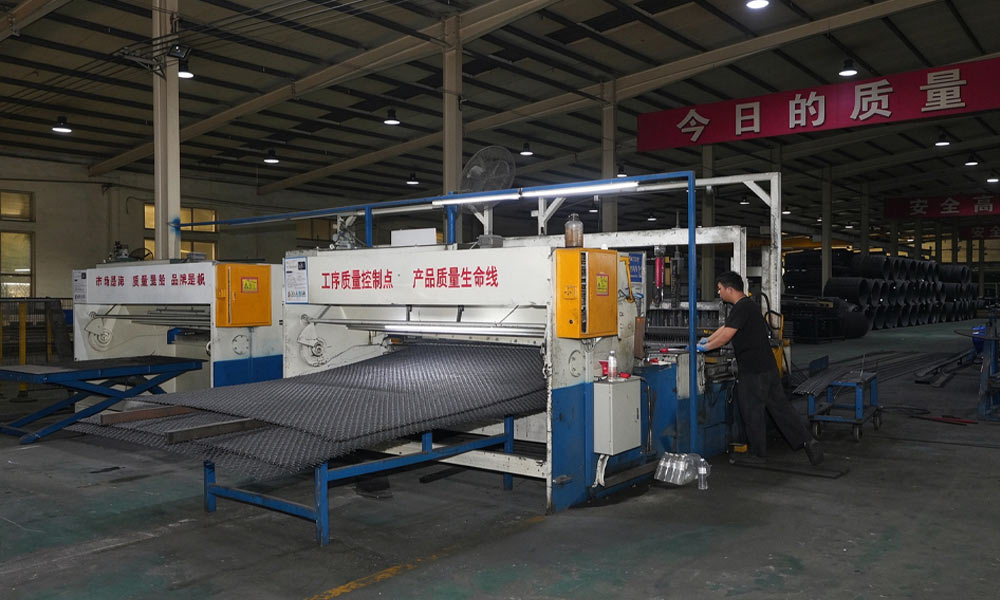
The fourth high-performance specialized option that unlocks maximum fine aggregate recovery for tight specification concrete sand is the free-tension piano wire design, the highest-throughput Aggregate Screen Media for 1mm to 6mm ultra-fine aggregate sizing where blinding is the biggest operational pain point. The individually tensioned parallel wires vibrate independently at an extremely high resonant frequency that shakes loose damp sticky near-size particles before they can wedge into the gaps, eliminating almost all blinding even when processing 10%+ moisture fine sand and crushed rock fines. Its ultra-high open area ratio lets you push 30% more fine tonnage through the same deck than a traditional polyurethane panel, while still holding a perfectly consistent cut point to make sure your fine sand product meets every strict local concrete aggregate gradation specification. Most quarries that add this media to their final fine sizing deck find that their total saleable fine sand recovery jumps by 12% to 18%, adding tens of thousands of dollars in extra annual revenue with zero major circuit upgrades.
By matching the right Aggregate Screen Media type to each specific deck’s material characteristics, cut point size and impact load level, instead of using the same media across every single deck in your plant, you can drastically cut your total annual screen consumable costs, maximize throughput, and almost completely eliminate unplanned mid-shift panel failures.