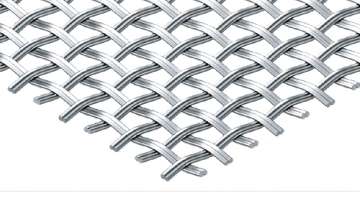
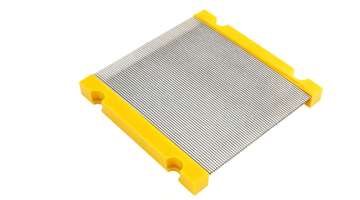
High Carbon Steel Self-Cleaning Screen For Quarry Screening
High tonnage quarry work is unforgiving on screening media, because the screen has to absorb a constant stream of heavy, sharp, and abrasive material while still keeping its apertures open enough to separate efficiently. A High Carbon Steel Self-Cleaning Screen is built for exactly that combination, using a steel grade that resists abrasion and a self-cleaning geometry that keeps the openings working under load rather than letting them blind and force a shutdown. The appeal of this arrangement is that it does not ask the quarry to choose between wear life and screening efficiency, since the material and the design are selected to serve both at once. This article looks at why high tonnage duty is so demanding, what high carbon steel contributes to the screen, how the self-cleaning action holds up under continuous load, and what a quarry should weigh before committing to the specification.
Why High Tonnage Duty Is So Demanding
High tonnage duty is demanding because High Carbon Steel Self-Cleaning Screen media must survive a combination of abrasion, impact, and continuous operation that wears ordinary screening media out quickly. The material arriving at the screen is heavy and often sharp, and every particle that strikes the deck transfers energy into the screening surface, so the media has to resist both the slow grinding of abrasion and the concentrated impact of larger lumps. The duty is also continuous, which means the screen does not get recovery time between campaigns, and wear that would be tolerable on an intermittent duty becomes a replacement schedule on a high tonnage one. Tonnage amplifies everything, because more material means more passes over the same aperture, more opportunities for a sharp edge to catch, and less tolerance for a screen that needs frequent attention. A screen specified for this duty has to be chosen for the load it will actually carry rather than for a lighter duty it might handle.
What High Carbon Steel Contributes
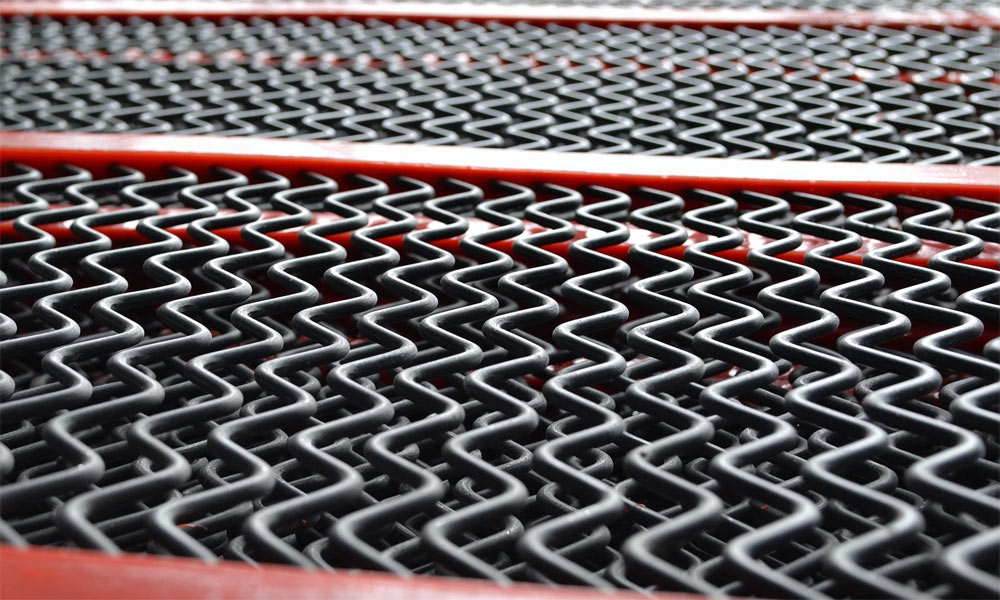
High carbon steel contributes to High Carbon Steel Self-Cleaning Screen performance because the carbon content raises the hardness and the wear resistance of the wire, which is what allows the screen to hold its profile under abrasive load. The higher hardness means the surface resists the scratching and gouging that abrasive rock produces, so the wire keeps its section and the aperture keeps its size for longer than a softer grade would manage. That matters on a high tonnage duty because aperture size is what the separation depends on, and a wire that wears thin changes the opening and the product with it. The steel also holds tension well, which keeps the screen sitting firmly in its frame rather than sagging and flexing under the load, and a screen that stays tensioned keeps its apertures uniform across the deck. The grade is chosen for wear life, and the wear life is what makes the tonnage economical.
How The Self-Cleaning Action Holds Up Under Load
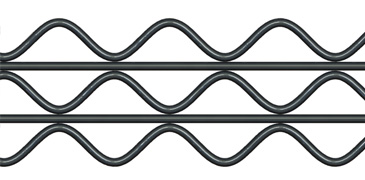
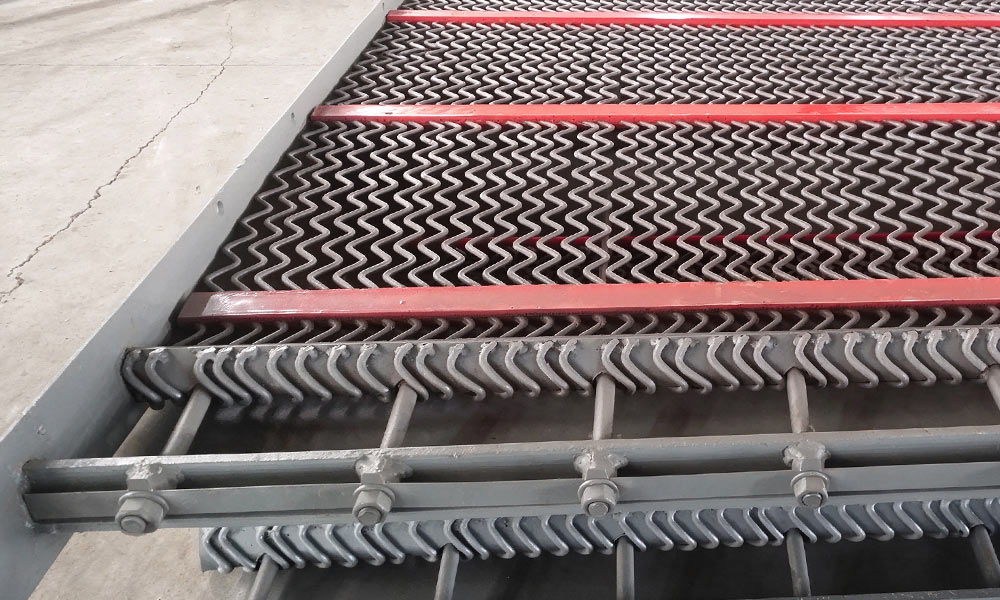
The self-cleaning action of a High Carbon Steel Self-Cleaning Screen holds up under load because the screen geometry uses the vibration of the deck to keep material moving and apertures clear rather than relying on the material to fall through unaided. The design encourages the particles to shift and tumble as they travel, so near-size material that would otherwise lodge in an opening is disturbed before it can settle, and the openings stay open through the run. Under high tonnage the value of that action increases, because the volume of near-size material passing over the deck is greater and the opportunities for blinding multiply, so a screen that clears itself is doing more work per hour than one that needs to be stopped. The steel contributes here as well, since a stiffer wire deforms less under load and keeps the geometry that the cleaning action depends on. The screen stays open because the design and the material both support it.
What A Quarry Should Weigh Before Specifying
A quarry should weigh several factors before specifying a High Carbon Steel Self-Cleaning Screen, because the right choice depends on the duty rather than on the headline specification. The abrasiveness of the rock matters, since a highly abrasive feed will consume even a hard grade and the wear life has to be judged against the replacement cost and the downtime. The tonnage and the aperture size matter together, because a fine aperture under heavy load is a harder duty than a coarse one and may call for a different balance of hardness and openness. The frame and tensioning arrangement matter as well, since a high carbon steel screen only delivers its wear life if it is held at the tension the design assumes, and a poorly tensioned screen will fail early regardless of grade. Weighing these factors against the actual duty is what turns a specification into a screen that lasts.
High tonnage quarry work rewards screening media that can carry abrasive load without losing its apertures, and a high carbon steel self-cleaning screen is built to do that by pairing a hard, wear-resistant grade with a geometry that keeps the openings working. The steel provides the wear life that the tonnage demands, and the self-cleaning action provides the open area that the separation depends on, so the two together serve a duty that would wear out a lesser screen. The specification is not universal, and a quarry with a mildly abrasive feed or a lighter duty may find a different balance more economical, but where abrasion and tonnage combine, the high carbon steel self-cleaning screen is often the choice that keeps the plant running between replacements.