Ripple Anti-Clogging Screen For Slurry Processing
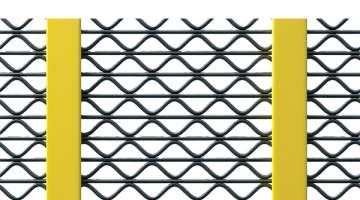
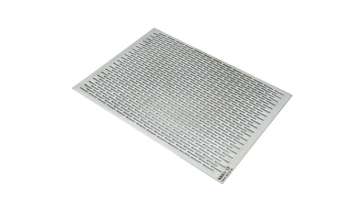
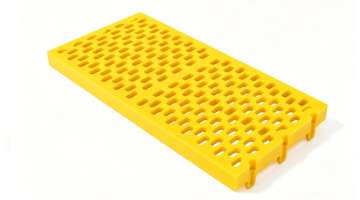
Sticky slurry is one of the harder feeds a screening deck can be asked to handle, because the moisture and the fines combine to form a cohesive mass that wants to seal an aperture rather than pass through it, and a conventional panel will start to blind within minutes of starting up. A Ripple Anti-Clogging Screen is designed around that specific problem, using a corrugated or ripple-profiled surface that keeps the material moving and the openings working instead of letting the wet fines settle into a mat. The value of the design is that it attacks the cause of the clogging rather than the symptom, so the deck keeps its open area through the run rather than needing to be stopped and washed down. This article looks at why sticky slurry blinds a screen, how the ripple profile changes the way material behaves on the deck, what the anti-clogging action contributes to classification, and what a plant should weigh before specifying the panel.
Why Sticky Slurry Blinds A Conventional Screen
Sticky slurry blinds a conventional screen because Ripple Anti-Clogging Screen media is asked to separate a feed where the moisture makes the fines cohesive, and a flat aperture gives that cohesive mass a place to bridge and hold. The water in the slurry acts as a binder rather than a lubricant when the fines are fine enough, so the particles pack together across an opening and form a plug that the passing material cannot dislodge. A flat deck makes this worse because the material travels across it in a relatively undisturbed layer, and the near-size fraction has time to settle into the apertures and consolidate under the weight of the bed above. Once a section blinds, the effective open area drops, the bed depth over the remaining openings increases, and the blinding spreads outward from the first plugged zone. Sticky slurry is a bridging problem, and a flat surface gives bridging every advantage.
How The Ripple Profile Changes Material Behaviour
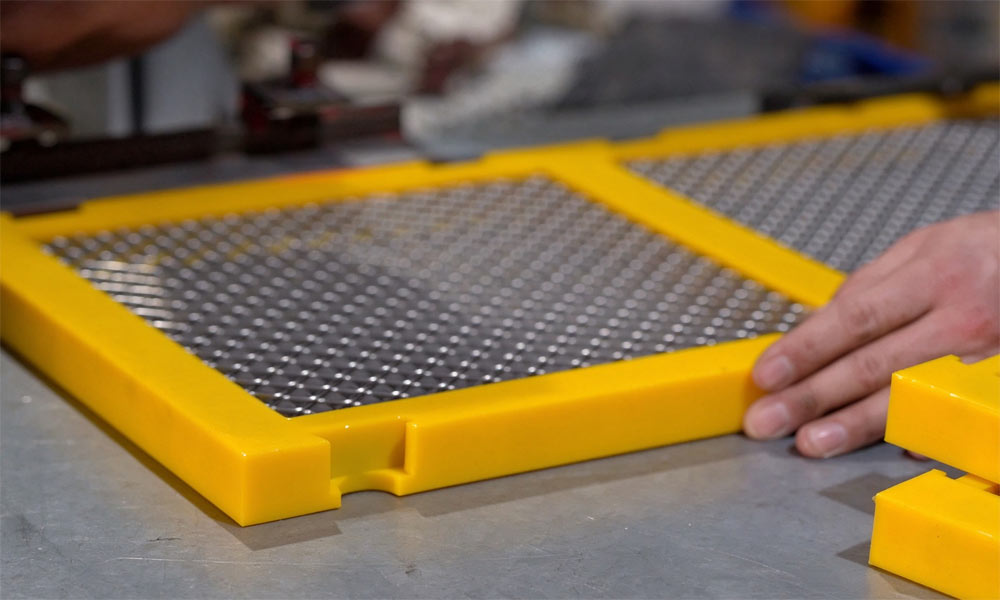
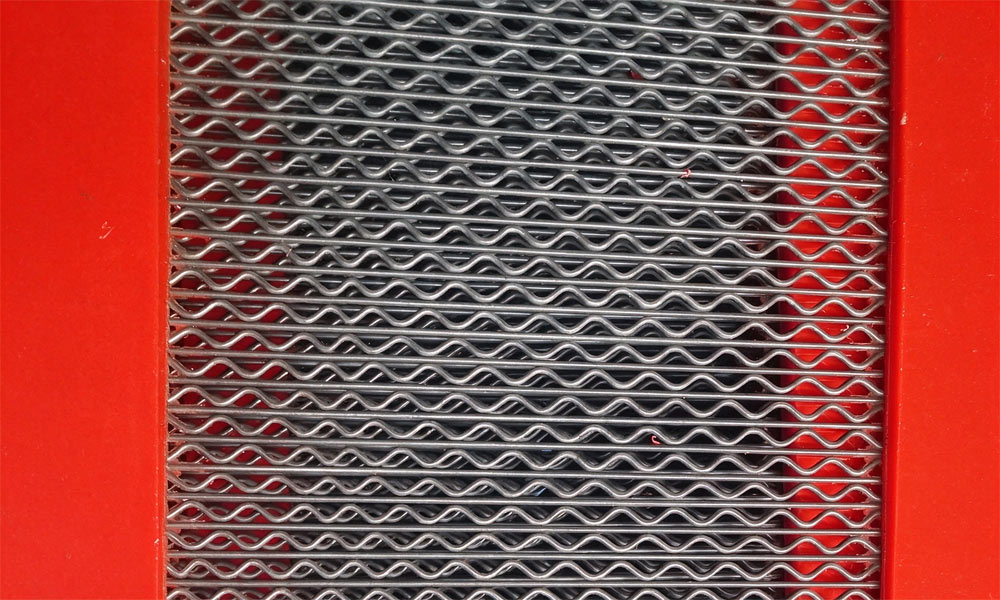
The ripple profile of a Ripple Anti-Clogging Screen changes material behaviour because the corrugated surface keeps the bed in motion rather than letting it settle into a stable layer. The alternating ridges and valleys create local changes in bed depth and in the direction of travel, so particles are repeatedly lifted, turned, and re-oriented as they cross the deck, and a particle that has started to lodge in an aperture is disturbed before it can consolidate. The profile also changes the way water behaves, since the valleys tend to channel the liquid and the ridges shed it, which reduces the pooling that turns fines into a plug. Because the material never sits still long enough to bridge, the apertures stay open through the run, and the deck keeps the open area that the classification depends on. The geometry is doing the work that a wash water system would otherwise have to do.
What The Anti-Clogging Action Contributes To Classification
The anti-clogging action of a Ripple Anti-Clogging Screen contributes to classification because a deck that stays open separates more sharply than one that is partially blinded. When the apertures are clear, the cut point stays where it was designed to be, and the undersize reports to the fines stream while the oversize stays on the deck, which is what the downstream process assumes. When a deck blinds, the effective aperture shrinks and the cut point shifts finer, so material that should have passed is carried over and the product streams lose their sharpness. The ripple action also keeps the bed moving at a more uniform velocity, which gives near-size particles more opportunities to present themselves to an opening rather than travelling past in a settled layer. The result is a classification that holds its sharpness through the shift rather than degrading as the deck loads up.
What A Plant Should Weigh Before Specifying
A plant should weigh several factors before specifying a Ripple Anti-Clogging Screen, because the design suits a particular kind of difficulty rather than every wet duty. The stickiness of the feed matters most, since a slurry that is wet but free-draining does not need the ripple action and may be served by a simpler panel at lower cost. The proportion of near-size material matters as well, because a feed with little material close to the cut point has less bridging potential and gains less from the anti-clogging geometry. The profile height and the aperture size have to be matched to the duty, since a profile that is too aggressive for a fine cut can disturb the bed more than the classification wants. The panel also has to be supported and tensioned as the design assumes, because a ripple profile only delivers its action if the deck is vibrating as intended. Weighing these factors is what turns the specification into a deck that stays open.
Sticky slurry classification is a bridging problem rather than a wear problem, and a ripple anti-clogging screen addresses it by keeping the bed in motion and the apertures clear instead of letting the fines settle into a mat. The corrugated profile disturbs the particles before they can lodge, channels the water away from the openings, and holds the cut point where the process expects it, so the deck keeps its sharpness through the shift. The design is not the answer for every wet duty, and a free-draining slurry or a feed with little near-size material may be served better by a simpler panel, but where the fines are cohesive and the deck blinds, the ripple anti-clogging screen is often the change that keeps the plant running without a wash-down between campaigns.