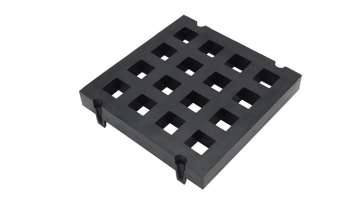
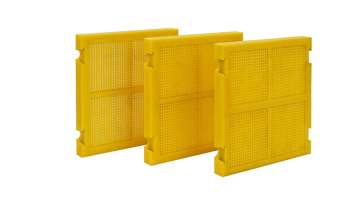
Self-Cleaning Panels For Aggregate Dewatering
Aggregate dewatering is a duty where the deck has to do two jobs at once, separating the solids from the water and letting that water leave quickly enough that the product is saleable rather than merely drained. A single deck arrangement suits this well because the whole screening area is devoted to one separation, and there is no second deck competing for the same vibration or the same water. Single deck self-cleaning panels are built for that arrangement, using flexible apertures that keep the openings working while the material travels across the deck, so the water has a clear path out and the solids stay on top. The result is a product that drains properly, a deck that holds its capacity through the shift, and a plant that spends less time managing a blinding panel. This article looks at what dewatering actually demands, how the self-cleaning action serves it, what a single deck arrangement contributes, and how to judge whether the panel suits a given plant.
What Aggregate Dewatering Actually Demands
Aggregate dewatering demands a deck that can pass water freely while retaining the solids, and Single Deck Self-Cleaning Panels are built around that dual requirement rather than around separation alone. The water has to leave the material quickly, because a product that drains slowly carries moisture into stockpiles and into downstream handling, and the moisture content of the product is often what determines whether it meets specification. The solids have to stay on the deck, because carryover of fines into the water stream creates a recirculating load that the plant has to manage, and a panel that passes too much fine material simply moves the problem downstream. The duty is also wet by definition, which means the apertures are exposed to the conditions that cause blinding, and a panel that blinds loses the drainage path that the whole arrangement depends on. Dewatering is a drainage problem as much as a separation problem, and the panel has to serve both.
How The Self-Cleaning Action Serves Dewatering
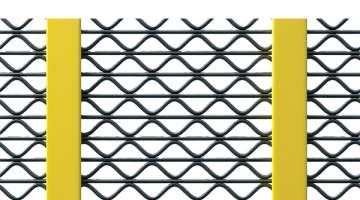
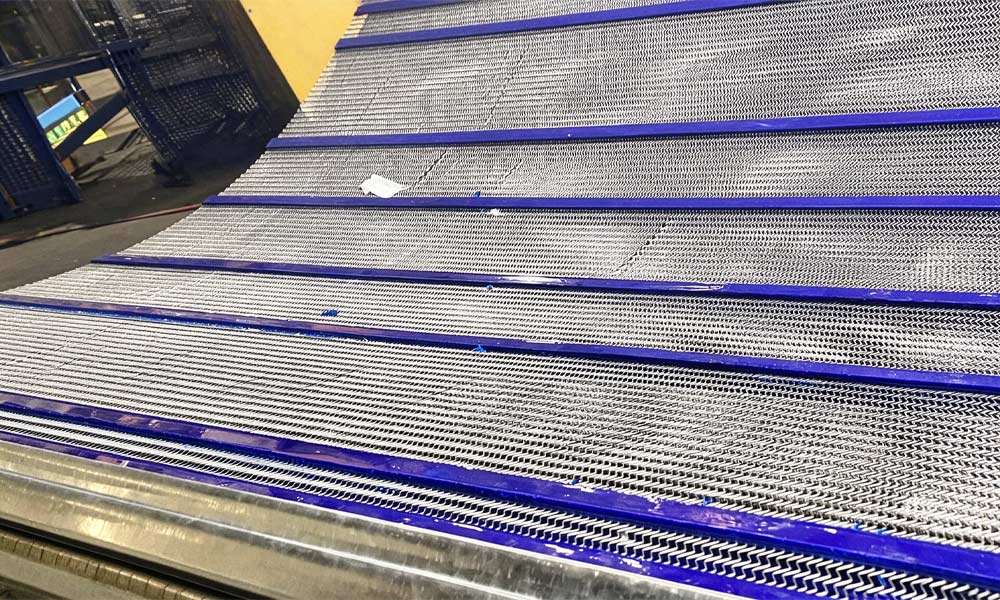
The self-cleaning action of Single Deck Self-Cleaning Panels serves dewatering because the flexible apertures keep the drainage path open rather than letting fines accumulate and seal it. As the deck vibrates, the polyurethane apertures deform slightly and eject the particles that have lodged, so the openings stay clear during the run and the water continues to find a path out of the material. That continuous clearing matters more in a wet duty than in a dry one, because moisture turns fines into a weak bridge that spans an aperture and then packs into a plug, and a panel that cannot break that bridge will blind quickly. Because the cleaning happens during the run, the deck does not need to be stopped and hosed to restore drainage, and the water and labour that wash-downs consume are freed for other work. The panel keeps draining because it keeps clearing, and the two are the same mechanism.
What A Single Deck Arrangement Contributes
A single deck arrangement contributes to Single Deck Self-Cleaning Panels performance because devoting the whole screening area to one separation gives the duty the undivided attention it needs. With no second deck above or below, the entire vibration energy and the entire open area serve the dewatering duty, so the panel can be specified for drainage rather than compromised to suit a second separation. The arrangement also simplifies the deck structure, which makes the panel easier to fit and to inspect, and a simpler structure means fewer places for material to build up and fewer components to maintain. Access is better as well, since a single deck can be reached and examined without working around an upper deck, and that access matters when a panel needs to be checked for wear or for blinding. The single deck arrangement lets the panel do one job properly rather than two jobs adequately.
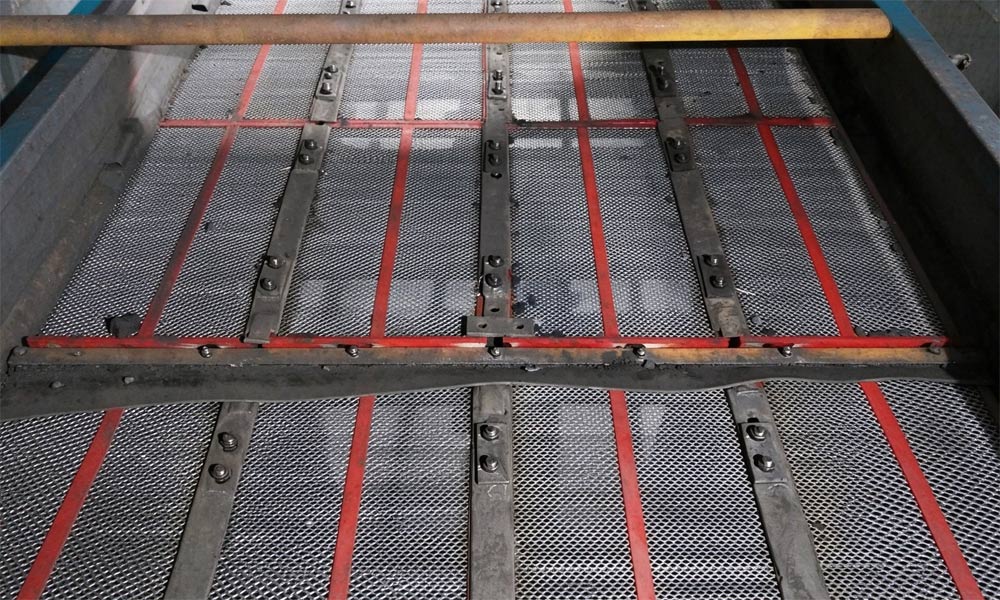
How To Judge Whether The Panel Suits A Plant
Judging whether Single Deck Self-Cleaning Panels suit a plant means asking what the dewatering duty actually requires and where the current arrangement falls short. If the deck blinds and the drainage path closes through the shift, the self-cleaning action addresses the cause directly and the panel is likely to pay. If the product moisture is the problem and the deck is already staying open, the panel will not change the result, because the constraint lies in the material, the residence time, or the deck angle rather than in the apertures. If the duty is heavily abrasive, polyurethane may wear faster than a harder material and the panel's advantage in cleaning will be offset by a shorter life, so the trade needs to be weighed rather than assumed. Matching the panel to the constraint is what makes the purchase pay, and applying it where the constraint lies elsewhere adds cost without adding drainage.
Aggregate dewatering asks a deck to pass water freely while holding the solids, and single deck self-cleaning panels serve that dual requirement by keeping the drainage path open through the run rather than letting fines seal it. The result is a product that drains properly, a deck that holds its capacity, and fewer wash-downs to restore performance. The panel is not a universal answer, and where moisture or abrasion is the real constraint it will not deliver the expected gain, but where blinding is closing the drainage path, it addresses the cause directly. For plants that have been managing a blinding deck by stopping it, the self-cleaning panel is often the change that removes the stoppage rather than managing it.