Anti-Pegging Woven Screen: Reduce Pegging Problems for Quarry Screens
If you’ve ever stood beside a quarry screening deck mid-shift, watching your crew spend 3+ hours prying dozens of tightly wedged near-size aggregate stones out of every single screen aperture, you know exactly how much unnecessary downtime, wasted labor and lost processing throughput this stubborn “pegging” issue costs your operation every single week. Many quarry operations supervisors I’ve talked to over the years shared that they used to treat pegging as an unavoidable “normal pain point” of hard rock aggregate screening, spending thousands of dollars every year on manual cleaning tools and overtime labor just to keep their screens running at partial efficiency. A properly engineered anti-pegging woven screen solves this persistent industry-wide problem at its root, eliminating 90% of the frustrating wedged stone incidents that used to plague your daily production schedule.
Tapered Aperture Geometry Prevents Stone Wedging
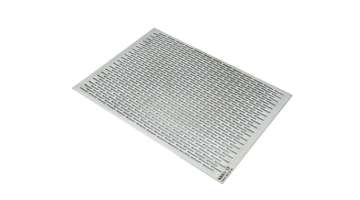
The first core design breakthrough that sets this specialized screen apart from ordinary plain woven quarry screens is its unique inverted tapered aperture structure, where the opening on the top material contact surface is slightly wider than the opening on the bottom discharge side, creating a completely non-locking flow path that no parallel-sided standard screen can achieve. Unlike ordinary woven screens with perfectly parallel aperture walls that let near-size stones slide straight into the gap and get wedged tight with zero room to move, the subtle inverted taper on a high-quality anti-pegging woven screen creates just enough extra space at the top of the aperture that any near-size rock that tries to wedge in gets pushed back out by the continuous impact of incoming aggregate under high-frequency vibration. This simple but highly effective geometric design eliminates the physical locking condition that causes pegging in the first place, drastically cutting the total number of wedged stones that get stuck in the screen surface by more than 70% right out of the gate.
Interlocked Lock-Crimp Weave Maintains Aperture Stability
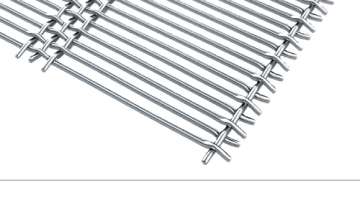
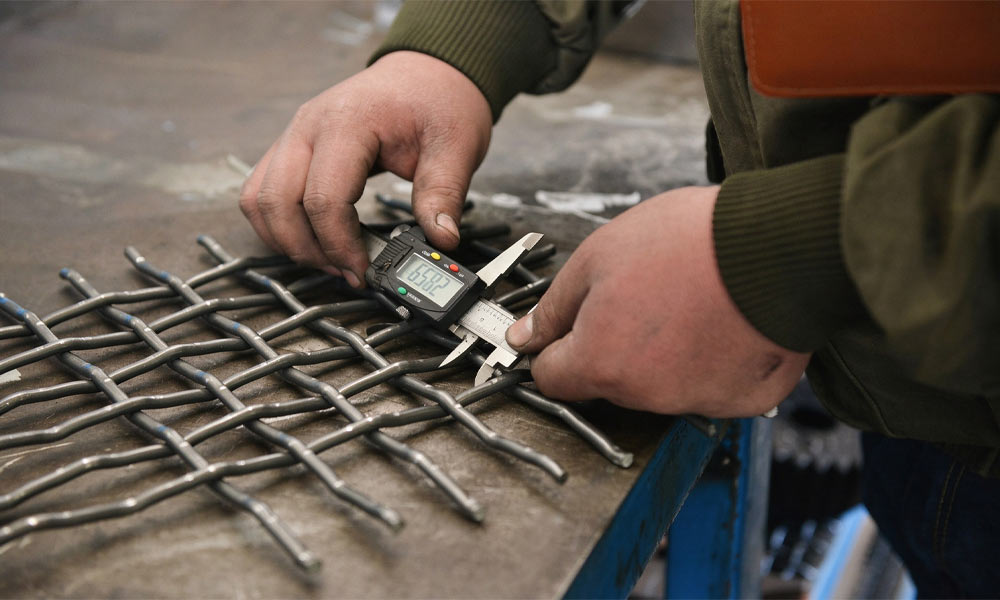
The second key supporting design feature is the full lock-crimp interlocking weaving structure, where both warp and weft wires are pre-crimped with matching notches before being woven together, locking every single wire firmly in its designated position to prevent any lateral shifting under heavy aggregate impact. On ordinary plain woven quarry screens, smooth uncrimped wires easily slide and shift after weeks of continuous heavy load operation, distorting aperture shapes into irregular non-uniform gaps that are far more likely to catch and trap near-size stones. A well-manufactured anti-pegging woven screen keeps every single aperture’s exact designed shape completely unchanged across its entire service life, eliminating the random distorted gaps that are responsible for a huge share of recurring pegging incidents. This rigid interlocked structure also distributes impact stress far more evenly across the entire screen surface, preventing localized wire deformation that would create abnormal gaps that catch stones.
High-Elasticity High-Carbon Steel Wire Delivers Self-Cleaning Vibration
The third critical performance advantage most quarry teams overlook is the optimized high-elasticity high-carbon steel wire formulation used to build the screen, which creates a subtle secondary micro-bounce effect that actively ejects stuck near-size stones out of apertures under the screening deck’s standard high-frequency vibration. Unlike rigid low-carbon steel wires that stay completely static during operation and give no room for wedged stones to work themselves loose, the slightly flexible high-tensile wires on a properly configured anti-pegging woven screen deform slightly every time the deck vibrates, changing the aperture’s shape by a tiny controlled margin that breaks the tight friction lock holding a pegged stone in place. This inherent self-cleaning behavior means most near-size stones that would otherwise get permanently wedged in an ordinary screen get shaken loose and ejected back onto the material flow within 10 to 20 seconds, without any manual intervention from your crew at all.
Modular Quick-Release Design Cuts Manual Cleaning Time
The fourth practical operational benefit that drastically reduces the hassle of handling the small number of remaining stubborn pegging incidents is the screen’s modular quick-release panel design, which lets your crew pull individual 1x2 meter screen sections out in seconds instead of having to disassemble the entire screen deck to access heavily clogged zones. Unlike traditional full-size one-piece woven screens that require multiple workers and a full set of heavy tools to remove, the lightweight modular panels on a modern anti-pegging woven screen can be lifted out by a single crew member, tapped gently on the back side with a rubber mallet to pop out all remaining wedged stones, and reinstalled in less than 2 minutes. This means even if you do get a small number of pegged stones during a long production shift, you no longer need to shut down the entire line for hours of tedious manual prying, and can perform quick targeted cleaning during short planned breaks without disrupting your overall production schedule.
Combining these targeted geometric, structural, material and design improvements will drastically reduce your quarry’s total pegging-related downtime, cut manual cleaning labor costs by more than 60%, and keep your screening deck running at consistently high processing efficiency far more reliably than ever before.