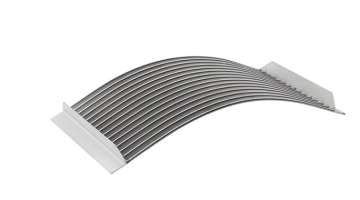
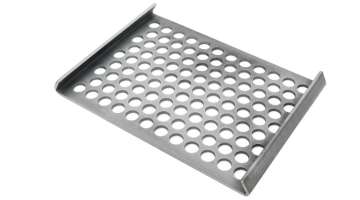
Anti-Clogging Screen Mesh For Sticky Ore Screenin
Sticky ore is the duty that will break even the most carefully specified conventional screening circuit, because the combination of damp clay, soft weathered mineral, and near-size particles does not behave like standard free-flowing rock, and it will seal a flat static mesh shut faster than most plant teams can troubleshoot the problem. Anti-Clogging Screen Mesh solves this persistent industry pain point not by making the apertures larger or adding more wash water, but by optimizing the aperture geometry specifically for the unique failure modes that sticky ore creates. This is not a trivial design tweak, it is a targeted rethinking of how an opening interacts with cohesive, adhesive mineral particles, and the gains show up in tonnage, product sharpness, and unplanned downtime that every mineral processing plant can measure directly. This article breaks down why sticky ore defeats conventional apertures, how optimized geometry stops bridging, how it preserves cut point precision, and how plants can tune the design to their specific ore body.
Why Sticky Ore Defeats Conventional Static Apertures
Sticky ore defeats conventional static apertures because an Anti-Clogging Screen Mesh design addresses a failure mode that standard square or round openings are completely helpless against. When damp sticky ore hits a conventional deck, the fine clay and soft mineral particles stick to the wire surface, build up a thin cohesive residue layer, and then form a continuous bridge clean across the entire opening, even if no single particle is large enough to wedge in the gap. Once the first bridge forms, it acts as a filter medium that catches more fine material, and within a short time the aperture is completely sealed solid. The smooth, uniform shape of standard round wire gives these cohesive particles no reason to move, and the weight of the bed above presses the bridge deeper into the opening, making it almost impossible to dislodge even with high-pressure wash water. For weathered laterites, clay-bound gold ore, or damp iron ore fines, this is not an occasional fault, it is the default behaviour that will cripple a conventional screening deck.
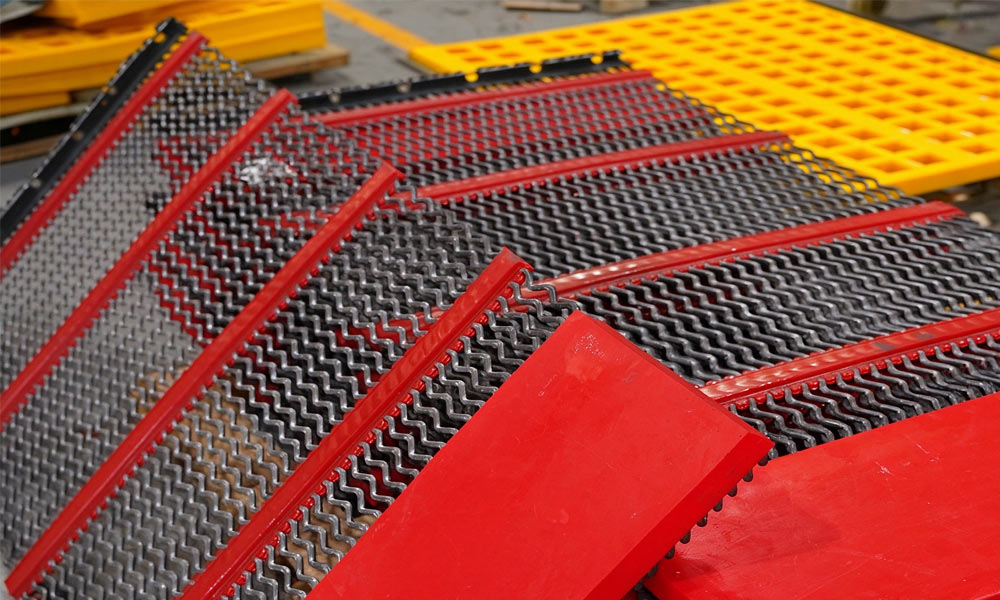
How Optimized Aperture Geometry Breaks The Bridging Cycle
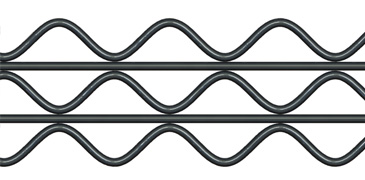
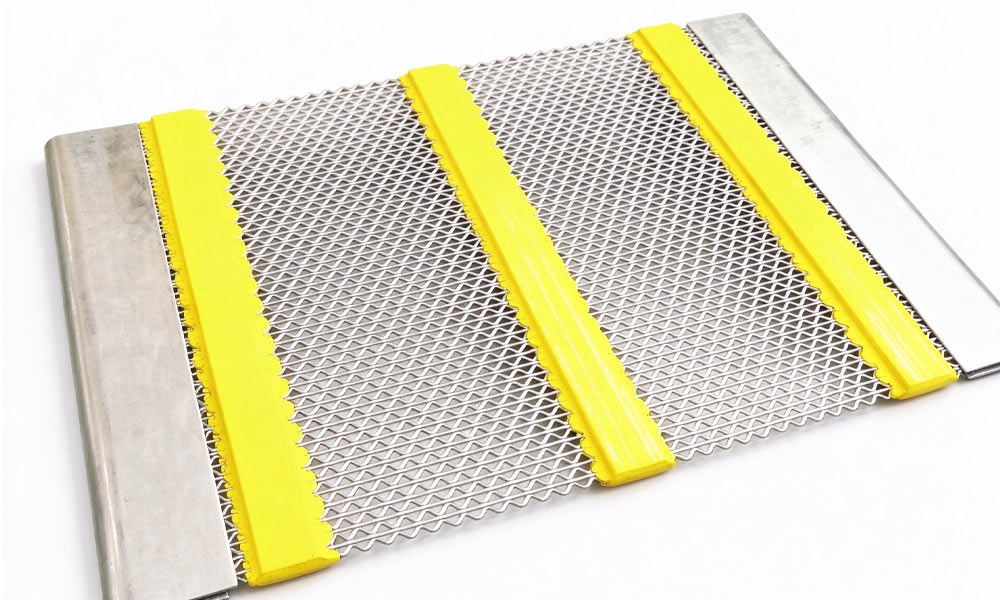
Optimized aperture geometry breaks the bridging cycle because an Anti-Clogging Screen Mesh uses a shaped, dynamically active opening that removes the stable flat paths that sticky particles use to build bridges. The specially profiled wires are arranged so that no two opposing edges of an aperture line up perfectly to form a continuous flat surface, and the slight independent flex of the wires under vibration constantly disturbs any particle that has started to settle across the gap. This means the damp sticky fines can never form the stable continuous mat that seals a conventional opening, and any partial bridge that starts to form breaks apart on its own while the deck is running. The optimized shape also prevents soft malleable ore particles from squishing and smearing across the wire face, which is the very first step that creates the residue layer all subsequent blinding builds on. The geometry is not just resisting clogging, it is actively working against the exact mechanism that makes sticky ore blind a screen.
Preserving Cut Point Precision Even Under Heavy Blinding Pressure
Preserving cut point precision even under heavy blinding pressure is the biggest underrated advantage of an Anti-Clogging Screen Mesh design optimized for sticky ore, because most conventional anti-clogging solutions sacrifice classification sharpness just to keep material flowing. If you simply make apertures larger to stop bridging, you will push massive amounts of misplaced fine material into the oversize stream, destroy product gradation, and overload downstream crushers with extra recirculating load. The optimized anti-clogging aperture holds its exact effective opening size even when the feed is at its stickiest, because no material can permanently lodge or bridge across the gap, so the cut point stays locked exactly where the metallurgical team designed it. This means the undersize product meets specification consistently, the oversize stream carries almost no misplaced fine ore, and the downstream processing circuit never sees the variable feed conditions that force constant manual adjustments from the control room.
Tuning The Aperture Profile To The Specific Ore Body
Tuning the aperture profile to the specific ore body is what turns a generic anti-clogging specification into real operational gains, because an Anti-Clogging Screen Mesh that works perfectly for one sticky ore will not automatically deliver the same results for another. For a heavily clay-bound laterite with high moisture content, a more pronounced asymmetrical aperture profile will prioritize breaking cohesive bridges, while for a damp friable iron ore with a high proportion of near-size material, a gentler optimized profile will balance anti-clogging performance with precise cut point control. The plant also has to match the wire material and wear resistance to the abrasiveness of the gangue in the ore, so the optimized profile does not wear down and lose its critical shape before the end of the expected service life. This level of tuning cannot be copied from a neighbouring plant, it has to be based on the actual particle size distribution, moisture range, and clay content of the specific ore body the mine is processing.
Hard-to-screen sticky ore does not have to condemn a plant to low throughput, drifting product quality, and endless mid-shift wash-down stoppages, and anti-clogging screen mesh with optimized aperture geometry solves this by attacking the bridging and smearing mechanisms that conventional static openings can never overcome. The targeted profile breaks cohesive ore bridges before they can seal apertures, preserves precise cut point control that generic over-sized anti-clogging designs cannot match, and can be tuned to the unique properties of almost any sticky ore body. This is not a universal replacement for every screening media in every mine, and perfectly dry, free-flowing hard rock ore can run perfectly well on a conventional static mesh, but for any operation that regularly fights blinding from damp clay-bound or weathered ore, this optimized anti-clogging design delivers a level of consistent screening performance that no conventional media can reach.