Diamond Wire Self-Cleaning Screens For Sticky Aggregate Separation
Sticky material separation is one of the most persistent headaches in mineral and aggregate processing, because damp cohesive particles do not behave like free-flowing rock, and they will seal a conventional screen shut before the operator even notices the capacity is dropping. Diamond Wire Self-Cleaning Screens solve this problem with a unique profiled wire geometry that no round wire mesh can match, turning a static blinding-prone surface into an actively self-clearing deck that keeps material moving even when the feed is at its stickiest. The diamond profile is not a trivial surface treatment, it changes how particles interact with the wire at the point of contact, which is exactly where blinding and pegging always start. This article looks at why sticky material defeats conventional screens, how the diamond wire profile breaks the blinding cycle, how it improves flow across the deck, and how a plant can match the screen to its specific sticky duty.
Why Sticky Material Defeats Conventional Screens
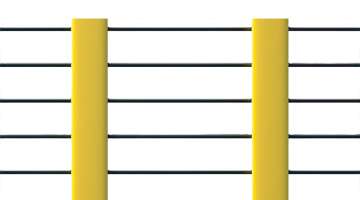
Sticky material defeats conventional screens because a Diamond Wire Self-Cleaning Screens design addresses a failure mode that standard round wire mesh cannot overcome. When damp fines and near-size particles hit a flat round wire deck, the cohesive moisture in the material lets particles stick to the smooth wire surface, build up a thin layer of residue, and then bridge cleanly across the gap between two adjacent wires. Once that first bridge forms, it acts as an anchor that catches more particles, and within a short time the aperture is completely sealed. The smooth uniform shape of round wire gives a lodged particle no reason to move, and the settled bed of sticky material exerts steady pressure that presses the bridge deeper into the gap. For feeds that carry clay, damp fine ore, weathered aggregate, or high-moisture coal, this is not an occasional fault, it is the default behaviour that will shut down a standard deck unless constant wash water and manual cleaning are applied.
How The Diamond Wire Profile Breaks The Blinding Cycle
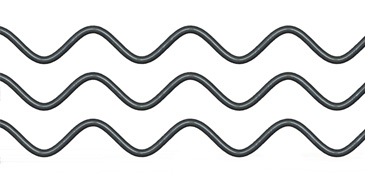
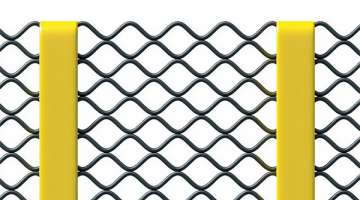
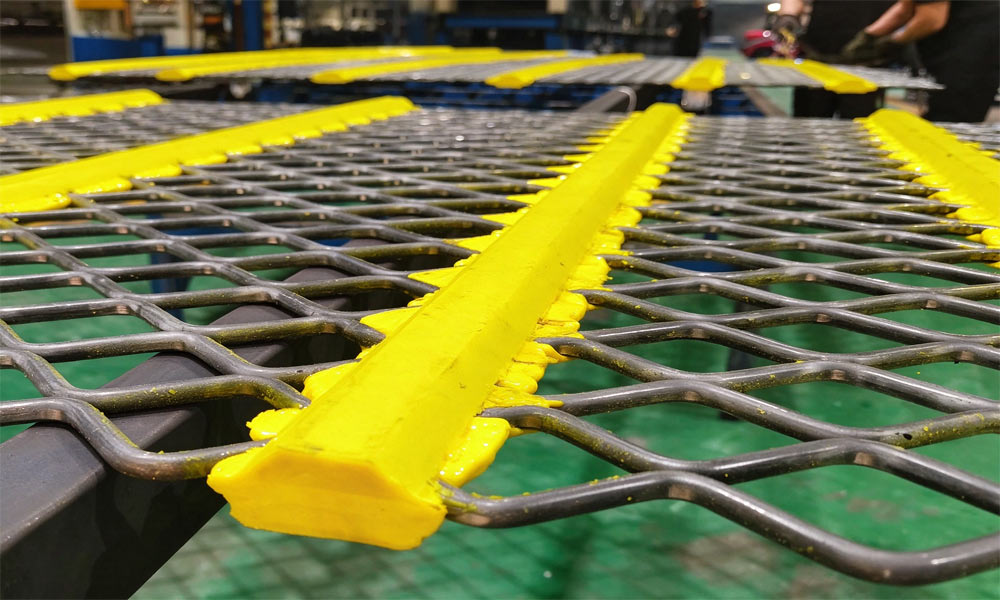
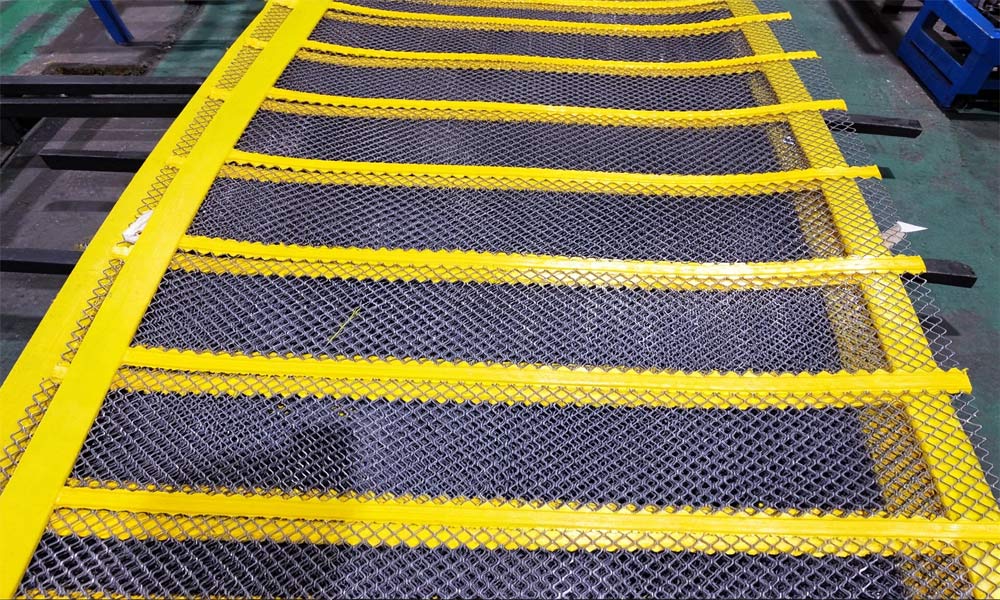
The diamond wire profile breaks the blinding cycle because a Diamond Wire Self-Cleaning Screens panel uses a non-circular, faceted wire shape that removes the flat, stable contact points that sticky particles use to build bridges. Each wire has distinct angled faces that do not line up evenly with the faces of the adjacent wire, so there is no continuous flat path across the aperture for a cohesive particle mat to form on. When the deck vibrates, the angled faces create small, uneven movement that disturbs any particle that has started to settle against the wire, so it can never consolidate into a permanent lodged position. The profile also reduces the total contact area between the wire and the sticky material, which means damp fines cannot adhere to the surface and build up the residue layer that is always the first step toward full blinding. This is not just passive resistance, the geometry actively works against the very mechanism that makes sticky material seal a screen.
How The Profile Improves Flow Across The Deck
The diamond profile improves flow across the deck because a Diamond Wire Self-Cleaning Screens surface never develops the slow, stagnant bed zones that plague conventional blinding-prone screens. When sticky material cannot stick to the wires or lodge in the apertures, it keeps moving steadily down the deck instead of piling up into thick, settled layers that block flow. The faceted profile creates gentle, localized agitation at every aperture, so near-size particles are constantly re-oriented and given new chances to pass through the gap, rather than sliding across the surface in a continuous unbroken mat. This means the deck can maintain a far higher effective open area than a conventional screen running the same sticky feed, and the tonnage throughput does not collapse even when the moisture content of the feed spikes unexpectedly. The improved flow also reduces the amount of wash water the plant needs to pump onto the deck, which cuts downstream dewatering load and lowers overall operational costs.
Matching The Screen To A Specific Sticky Duty
Matching the screen to a specific sticky duty is what turns a Diamond Wire Self-Cleaning Screens specification into real operational gains, because the right wire size and aperture balance for one plant will not automatically work for another. For a highly clay-bound damp aggregate feed, a slightly larger diamond wire profile with generous open area will prioritize flow and anti-clogging performance over ultra-fine separation, while a fine sticky ore classification duty will use a finer diamond wire that preserves aperture precision without sacrificing the self-clearing action. The abrasiveness of the feed also matters, because the diamond profile wears differently than round wire, and the wire section has to be sized to deliver the required service life without losing its critical faceted shape. The plant also has to account for the typical moisture range of its feed, because the anti-clogging performance of this design is most pronounced exactly in the moisture window where conventional screens start to fail.
Sticky material separation does not have to be a constant cycle of blinding, stoppages, and manual cleaning, and diamond wire self-cleaning screens offer a way out by attacking the blinding mechanism at the point of contact between particle and wire. The unique faceted profile removes the stable flat surfaces that cohesive particles use to build bridges, actively disturbs lodged material before it can consolidate, keeps the material flowing freely across the entire deck, and tolerates the natural moisture and stickiness variations that would cripple a conventional round wire screen. This design is not a universal solution for every screening duty, and perfectly free-flowing dry material can run just as well on a standard mesh, but for any plant that regularly fights blinding from damp clay, fine sticky ore, or weathered aggregate, these screens deliver a level of consistent flow that no conventional screen can match.