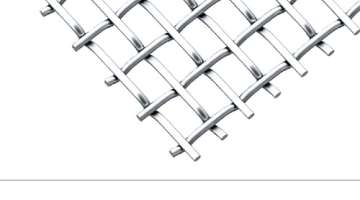
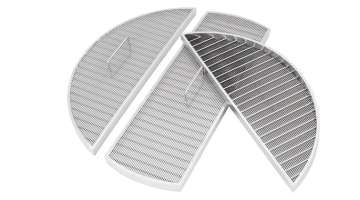
Gypsum processing sounds simple on paper — crush it, screen it, sell it. In reality, wet gypsum loves to cake up and blind any screen you throw at it. That's where anti-clogging polyurethane screen panels step in. These flexible panels bounce material through openings instead of letting it sit and harden, and they've quietly become the go-to for plants tired of scrubbing screens every shift.
Why Gypsum Is Such a Screen Nightmare
Here's the thing nobody warns you about: gypsum turns into a paste when it gets wet. Even slight moisture triggers crystallization right on your screen surface. Traditional woven wire or rigid rubber panels trap that paste like glue, and before you know it your open area drops to zero. The material also carries fine dust that wedges into small openings. Without a proper anti-clogging design, you're fighting a losing battle every hour.
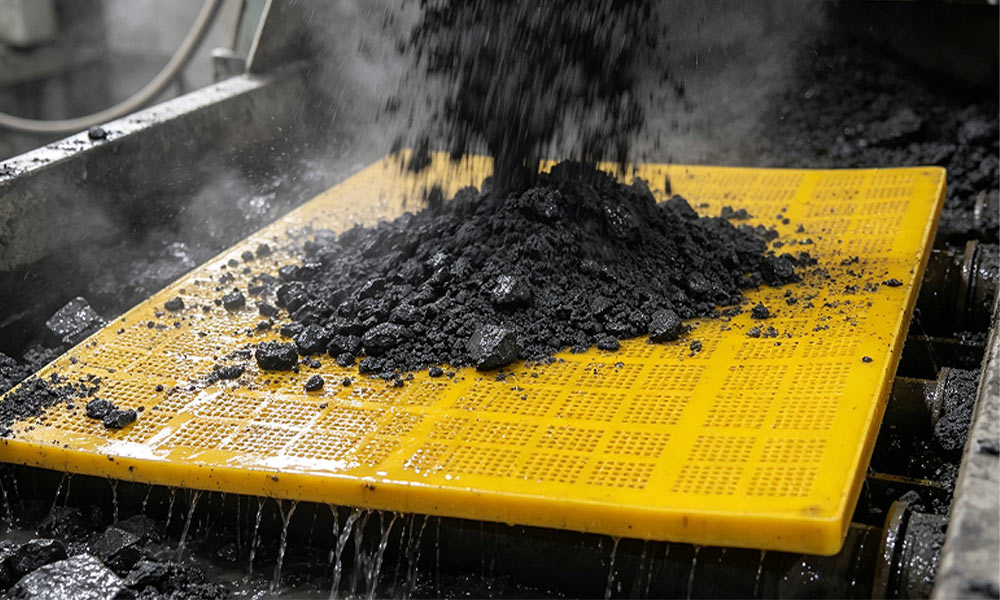
The Bounce Factor: How Polyurethane Beats Static Screens
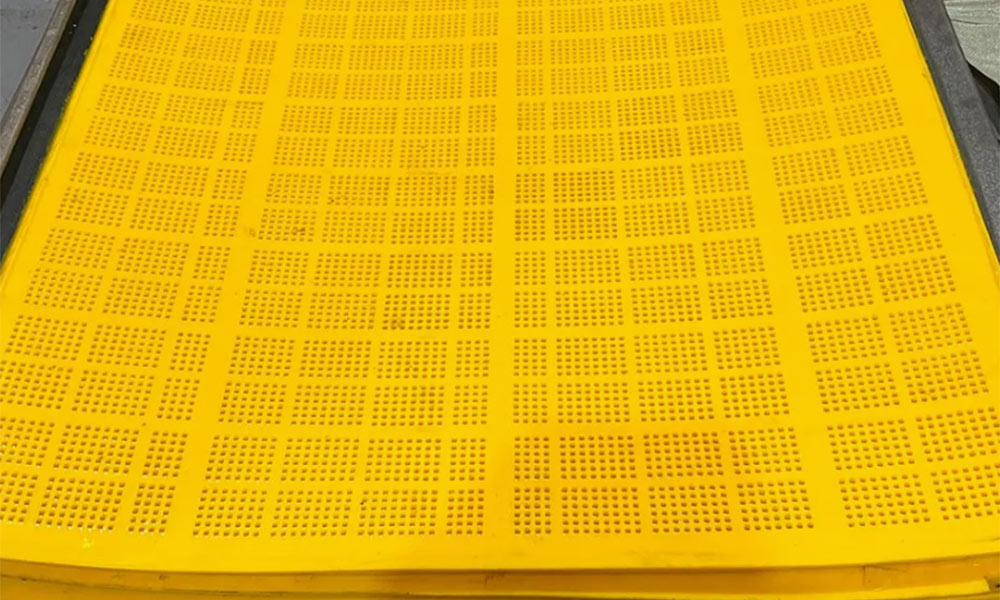
Anti-clogging polyurethane screen panels work differently than metal or rubber. The material flexes under vibration — each impact springs the panel back, literally shaking loose the buildup. Manufacturers achieve this by tuning the durometer and shaping the aperture geometry. Tapered holes with rounded edges let crystals slide through rather than snag. It's not magic — it's smart elastomer engineering.
Design Tweaks That Make a Real Difference
Not all polyurethane panels handle gypsum equally well. Look for panel designs with off-center apertures or staggered hole patterns — these break up the flow path and prevent channeling. Surface textures like dimples or ribs also disrupt cake formation. Pair these features with a Shore hardness on the softer side and you've got a panel that stays clean with minimal water spray or air blast.
 Switching to purpose-built anti-clogging polyurethane screen panels for
gypsum mineral applications isn't just about cleaner screens — it's about real
throughput gains and fewer labor hours spent on maintenance. If your current
panels keep blinding and you're chasing yield losses, it might be time to
rethink the material. Send us your gypsum feed specs and we'll point you to a
panel that actually keeps working.
Switching to purpose-built anti-clogging polyurethane screen panels for
gypsum mineral applications isn't just about cleaner screens — it's about real
throughput gains and fewer labor hours spent on maintenance. If your current
panels keep blinding and you're chasing yield losses, it might be time to
rethink the material. Send us your gypsum feed specs and we'll point you to a
panel that actually keeps working.