Most people grab a roll of woven metal mesh and never think twice about what went into it. But behind every panel sitting on a vibrating screen is a production process that's more precise than you'd guess. From raw wire drawing to the final tensioned sheet, dozens of steps decide whether your finished screen mesh holds up under pressure or falls apart after a month. Here's the full picture, no fluff.
Wire Drawing: It Starts Thinner Than You Think
Everything begins with wire rods, stainless steel, carbon steel, or specialty alloys pulled through a series of dies. Each pass shrinks the diameter a little more until you hit the exact gauge you need. For most woven metal mesh, that's anywhere from 0.5mm to 6mm depending on the application. The drawing process also hardens the metal slightly, which matters later when the wire gets bent and woven under tension.

Weaving: Where Pattern Meets Purpose
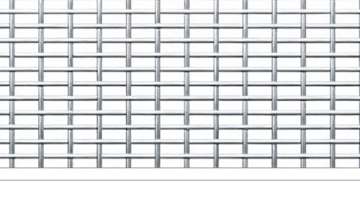
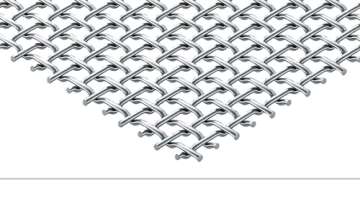
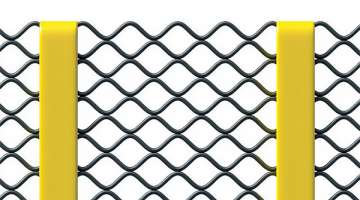
This is where it gets interesting. Industrial looms interlace warp and weft wires in specific patterns such as plain, twill, Dutch, or reverse Dutch, each offering different open area and strength characteristics. A plain weave is tight and durable; a twill weave flexes more and resists fatigue. The loom speed, wire tension, and crimp settings all get dialed in based on what the finished woven wire screen needs to do. One wrong setting and you get an uneven panel that nobody wants.
Finishing Touches That Make or Break Quality
After weaving, the woven screen gets heat-treated to relieve stress, cleaned to remove oils, then tensioned on a leveler so it lays flat without warping. Edge trimming and final inspection come last—checking for broken wires, inconsistent apertures, or surface defects. Quality control here separates industrial-grade mesh from the junk that ends up in discount bins.
Understanding the complete production process for woven metal mesh helps you buy smarter, not cheaper. If you need a custom spec, unusual alloy, non-standard aperture or specific crimp for example, the right manufacturer will walk you through every stage. Tell us what you need and we'll connect you with someone who actually knows their loom from their loader.