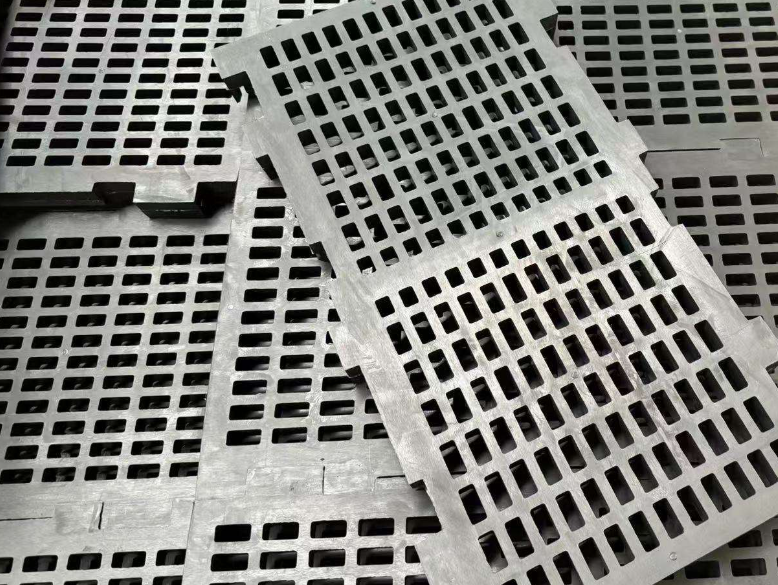
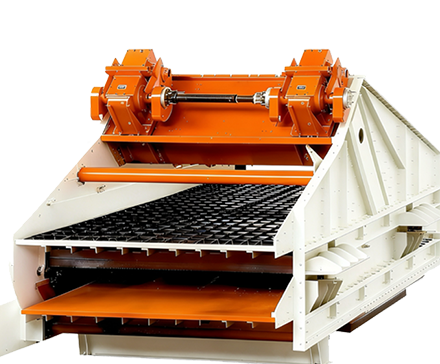
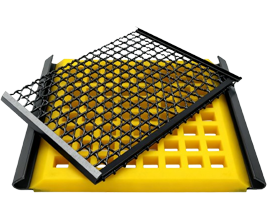
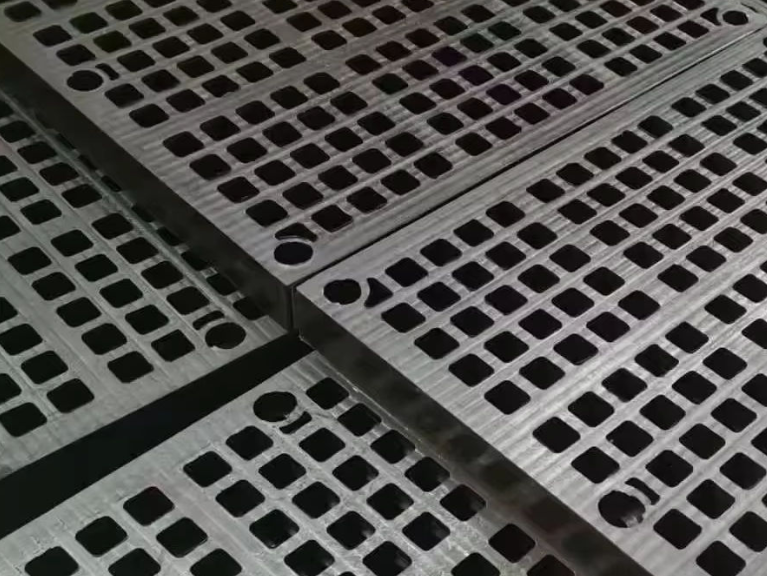
For chromium ore beneficiation operations processing hard, sharp, often chemically abrasive raw ore, traditional woven metal screen media usually wears through in just a few weeks, tearing easily under heavy lump impact and corroding quickly when exposed to acidic or salty process slurries. Many processing teams told us they struggled with constant unplanned screen deck shutdowns, spending huge amounts of labor and cost on frequent replacements that still could not keep up with the ore’s harsh operating conditions. Deploying properly formulated Rubber Screens in Chromium Ore processing circuits solves both of these core pain points, delivering far longer service life and far more stable screening performance than standard metal media.
High-Impact Absorption Performance for Coarse Lump Feeds
The first major operational benefit comes from the rubber material’s natural high elasticity, which absorbs the heavy shock of falling large chromium ore lumps that would easily dent, deform or punch holes straight through rigid metal mesh panels. This drastically reduces sudden unexpected panel breakage events, and lets Rubber Screens in Chromium Ore coarse sizing sections deliver 3 to 4 times longer usable service life than standard woven metal screens, even when handling large, sharp ore lumps fed directly from primary crushing.
Special Formulated Rubber for Slurry Corrosion Resistance
The second key advantage comes from custom compounded rubber formulations that are engineered to resist chemical attack from the acidic process slurries, saline process water and various beneficiation reagents commonly used in chromium ore processing circuits. Unlike bare metal screens that develop rust, pitting and accelerated wear after only a short time of exposure, these specially engineered panels show almost no signs of chemical degradation even after months of continuous contact with harsh process fluids, making Rubber Screens in Chromium Ore fine sizing and dewatering stages far more reliable and low-maintenance.
Reduced Noise and More Consistent Classification Stability
The third underrated practical benefit is that rubber’s natural vibration damping property cuts down the high-frequency metal-on-metal impact noise that fills most chromium ore screening sections by more than 20 decibels, creating a far safer and more comfortable working environment for on-site crews. Unlike rigid metal panels that stretch, warp and create uneven apertures as they wear, rubber screens wear slowly and evenly across their full surface, so your classification accuracy stays consistent for far longer, reducing misplaced material loss and improving overall chromium recovery rate across the whole beneficiation circuit when you use Rubber Screens in Chromium Ore processing lines.
Switching to properly engineered rubber screen plates for your chromium ore beneficiation circuit will drastically cut down on unplanned downtime, reduce your long-term screen media replacement costs, and create a far more stable, low-maintenance screening operation. If you share details of your circuit’s typical feed size range, process slurry pH level and daily processing capacity, our technical team can put together a fully customized material formulation and installation recommendation tailored exactly to your site’s unique operating conditions.


Leave A Reply
By using form u agree with the message sorage, you can contact us directly now