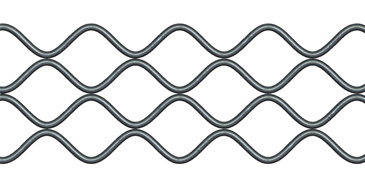
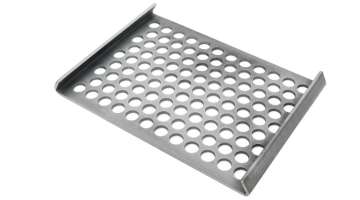
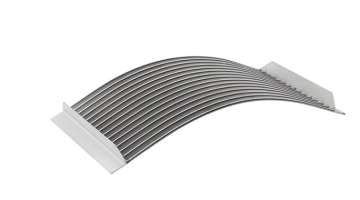
Flat-Top Woven Screen for High Tonnage Workflows
If you’ve ever stood beside a 1000tph aggregate scalping deck during a peak production shift, watching half the apertures on your old rubber panel clog solid in 2 hours, forcing you to throttle your crusher feed rate down to 60% of its rated capacity just to keep up with the bottlenecked screening circuit, you know exactly how much poor screen performance can waste your plant’s existing production capacity and leave thousands of dollars of potential profit on the table every single day. Many high-volume quarry and mine operations managers I’ve worked alongside over the years shared that they spent years pouring money into larger crushers and more powerful vibrating screens, never hitting their tonnage targets, until they swapped out their old screen media for a purpose-built flat-top woven screen for high tonnage workflows. This practical, field-tested guide skips generic marketing talking points and breaks down exactly how this screen design unlocks hidden throughput gains on your existing decks, no expensive capital equipment upgrades required.
Ultra-High Consistent Open Area Eliminates Screening Bottlenecks
The first biggest performance gain that a purpose-built flat-top woven screen for high tonnage delivers is its industry-leading 45% to 50% total open area, which stays almost completely unblocked even across 12-hour continuous peak production shifts. Traditional heavy-duty rubber or polyurethane screen panels only deliver 25% to 30% maximum open area, and their uneven tapered openings clog quickly with sticky wet clay and near-size aggregate particles, dropping their effective open area down to less than 15% after just a few hours of full-load operation, creating a massive bottleneck that forces you to slow your whole circuit down. The flat-top’s perfectly smooth level surface and sharp-edged square apertures have no hidden gaps or ledges for particles to wedge into, so blinding and pegging are almost completely eliminated, keeping the deck’s effective open area above 90% of its original rating for the entire full shift. Most high-volume operations that made this switch reported that their deck’s hourly throughput immediately jumped by 30% to 35%, letting them push 300+ extra tons of material through their existing deck every single day, with zero upgrades to their vibrating screen motor or crusher setup.
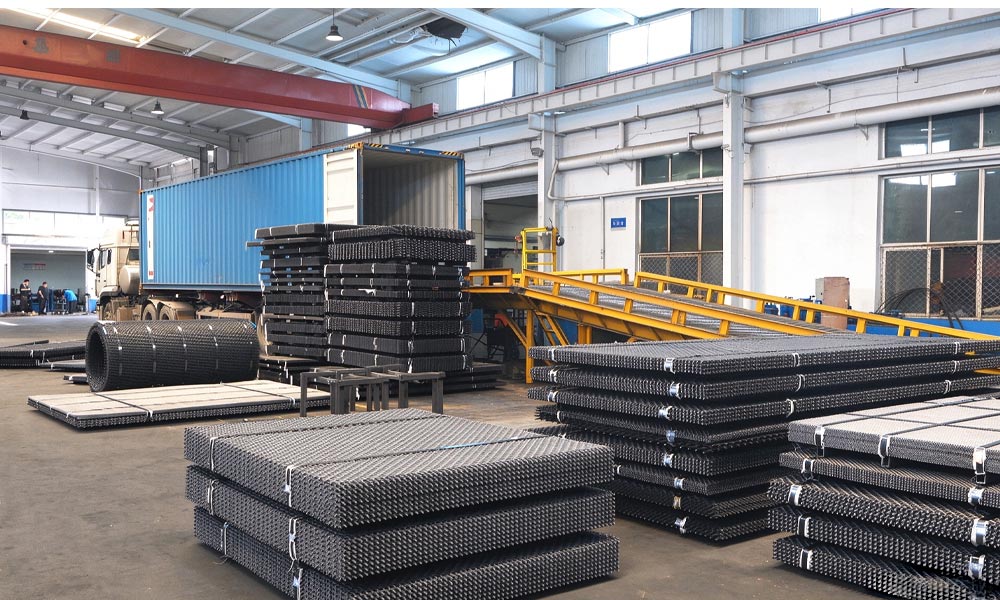
Low-Friction Material Slide Reduces Deck Carryover and Recirculation Load
The second massive operational improvement that boosts your full circuit’s total tonnage output is the unique low-friction material flow behavior of a purpose-built flat-top woven screen for high tonnage, which eliminates the erratic material bouncing and oversize carryover that forces you to run huge volumes of material back through your crushing circuit. On standard ridged crimped woven screens, the bumpy uneven top surface makes heavy crushed rock bounce and tumble erratically across the deck, so large oversize chunks that should fall back to the crusher get carried all the way across the deck and dumped into the finished stockpile, forcing you to send 20% to 25% of your total production volume back through the recirculating load loop. The perfectly smooth flat top surface lets material slide steadily and evenly across the deck in a thin, uniform bed, with zero random bouncing or turbulence, so every single particle gets the exact right amount of screening time, and almost zero oversize material gets accidentally carried off the deck. Most high-tonnage quarry operations that made this switch reported that their total recirculating load dropped from 25% down to less than 8%, drastically reducing the unnecessary wear on their cone crushers and letting the whole crushing and screening circuit run at far higher continuous throughput.
Long Wear Life Cuts Unplanned Downtime During Peak Production Windows
The third critical operational benefit that keeps your plant running nonstop through tight peak production delivery windows is the extreme abrasion resistance of a purpose-built flat-top woven screen for high tonnage, which eliminates the frequent unplanned mid-shift screen failures that used to shut your whole circuit down for hours at a time. On standard crimped woven screens, all the heavy abrasive scouring force gets concentrated on tiny raised crimp peaks that wear through completely in 2 to 3 weeks of continuous high-tonnage operation, forcing your team to perform emergency changeouts in the middle of a busy shift that derail your whole week’s production schedule. The flat-top’s ground level surface spreads all the abrasive wear force evenly across the full width of every single wire, making the panel’s total usable service life 2.5 to 3 times longer than a standard crimped screen, delivering 80 to 90 days of continuous 24/7 high-tonnage operation before any wire wears thin enough to break. Most operations that switched reported that they completely eliminated unplanned mid-shift screen failures, letting them run nonstop through 2-week long peak production windows without any unexpected downtime.
Lightweight Modular Tension Design Cuts Scheduled Maintenance Time
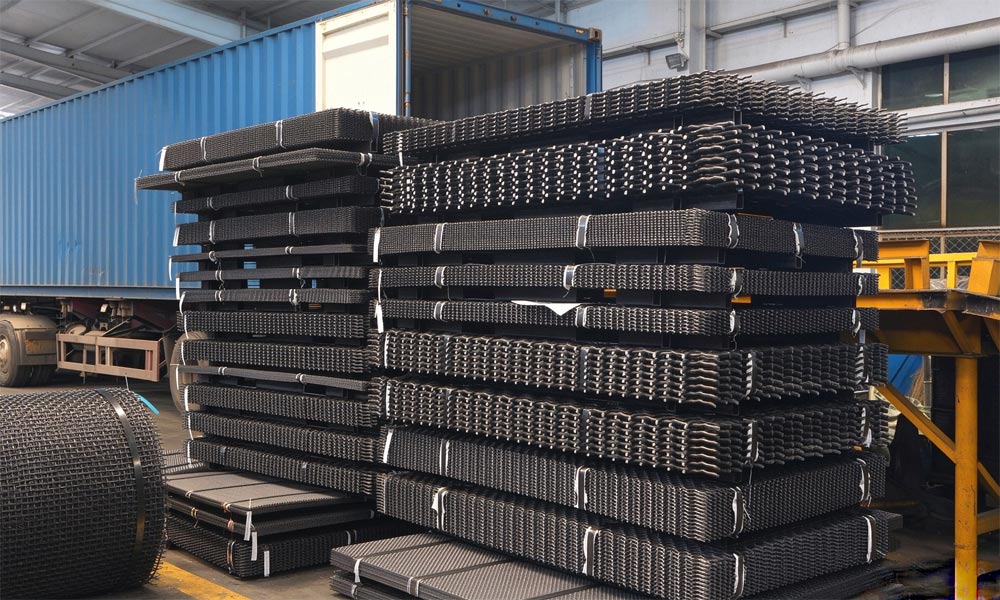
The final practical day-to-day operational win that adds more available production hours to your schedule is the lightweight, hook-tensioned modular construction of a purpose-built flat-top woven screen for high tonnage, which drastically cuts the total time required for scheduled screen changeouts. Traditional heavy modular rubber screen panels weigh 30kg+ each, requiring 3 to 4 crew members to lift, position and bolt into place, leading to 3 to 4 hour long changeouts that eat deep into your scheduled maintenance window and steal hours of potential production time every single month. Each flat-top woven screen panel weighs less than 12kg for the same deck coverage area, so two maintenance workers can carry, position, hook and fully tension a full 3-meter wide high-tonnage deck in less than 60 minutes total, letting you get the circuit back up and running far faster after every planned maintenance stop. Most operations that standardized on this screen reported that their total annual screen maintenance downtime dropped by more than 60%, adding dozens of extra full production days to their schedule every single year.
For high-volume quarry and mine operations that need to push maximum consistent tonnage through their existing screening circuits without huge capital equipment investments, a purpose-built flat-top woven screen for high tonnage outperforms every other traditional heavy-duty screen media option on the market, delivering a full return on your initial investment in less than 10 days of full continuous peak production operation.