Woven Mesh for Wet Ore: Specialized Screening Media for Dewatering & Desliming
If you’ve ever stood beside a wet ore processing plant’s dewatering deck mid-monsoon, watching your crew spend hours prying waterlogged, sticky fine ore slime out of a generic screen that blinded over completely in less than two hours, you know exactly how frustrating and costly these constant clogging incidents are, dragging down your plant’s throughput, wasting huge amounts of labor and leaving your final processed ore with far higher moisture content than your downstream process can tolerate. Many mineral processing plant operations supervisors I’ve worked alongside over the years shared that they spent years testing all kinds of specialized non-metallic dewatering screening media, only to find that none of them could balance high drainage efficiency, long wear life and consistent performance in the messy, high-moisture environment of wet ore washing. A purpose-built woven mesh for wet ore is engineered specifically to solve these unique pain points, delivering reliable, long-lasting performance that no generic screening product can match in high-moisture washing and dewatering workflows.
Corrosion-Resistant Wire Material Formulation
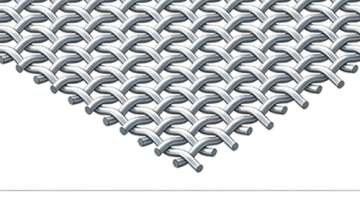
The first core design feature that makes a specialized woven mesh for wet ore perfectly suited for constant contact with water, muddy slurry and often slightly acidic mine water is its carefully selected corrosion-resistant wire material formulation, which prevents the premature rusting, pitting and wire degradation that quickly destroys ordinary carbon steel screens in wet operating conditions. Unlike standard general-purpose woven mesh that uses uncoated mild steel wire that will start rusting after just a few days of continuous exposure to water, a high-quality woven mesh for wet ore uses either fully hot-dip galvanized high-tensile spring steel, or 304/316L stainless steel, depending on the acidity and chemical composition of your plant’s process water. The galvanized variant delivers excellent rust resistance for neutral pH mine water scenarios, while the stainless steel option provides superior protection against highly acidic or sulfide-rich mine water that would rapidly corrode ordinary coated steel. This targeted material selection eliminates the common failure mode where rust pitting on the wire surface creates rough sticky spots that catch fine wet ore particles and cause severe persistent blinding.
Tapered Aperture Anti-Clogging Weave Structure
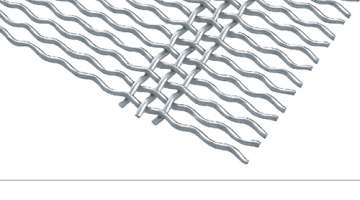
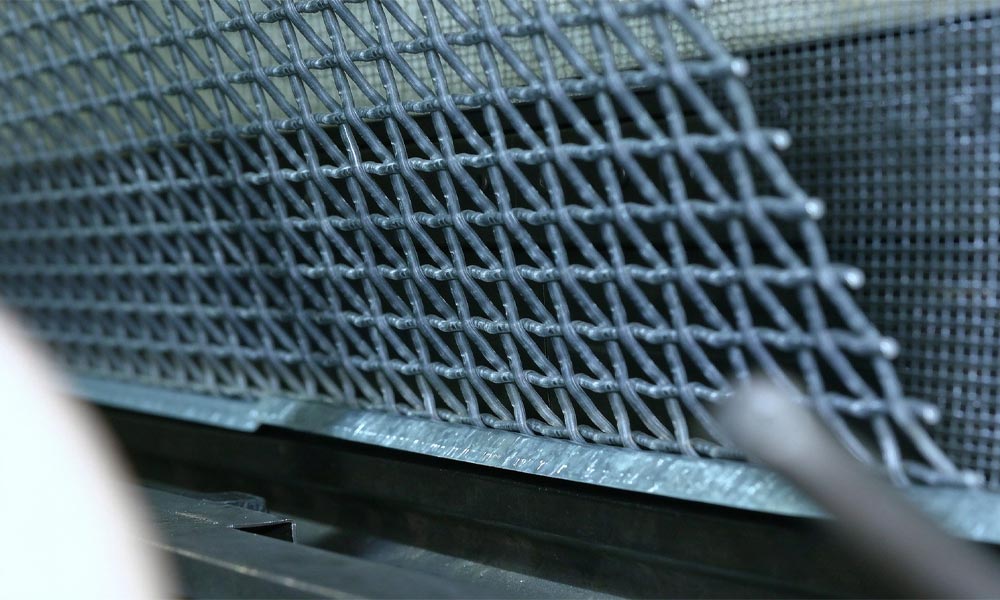
The second key performance advantage that solves the most persistent pain point in wet ore processing is the unique tapered aperture anti-clogging weave structure built into every well-engineered woven mesh for wet ore, which drastically reduces blinding and near-size particle pegging that plagues standard screens in high-moisture conditions. Ordinary plain woven mesh uses straight parallel-sided apertures that let wet sticky near-size ore particles wedge tightly into the opening, locking in place and sealing off the flow path so water can no longer drain through, even when you run the deck at full vibration intensity. A purpose-built woven mesh for wet ore uses a precision modified lock-crimp weave that creates a subtle inverted tapered aperture, where the top material contact opening is 15% to 20% wider than the bottom discharge opening, creating a non-locking flow path that lets water drain freely and prevents wet fine particles from getting permanently wedged in place. The interlocked crimp design also locks every single wire firmly in its designated position, so the small high-frequency micro-movement between adjacent wires under continuous vibration helps shake loose any semi-stuck fine particles before they can harden into a permanent clog.
Optimized High Open Area for Maximum Dewatering Efficiency
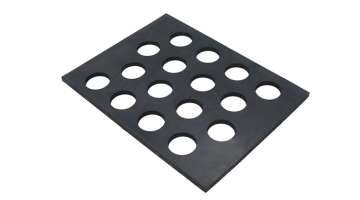
The third critical operational benefit that directly boosts your entire plant’s processing performance is the carefully calibrated high total open area of a professional-grade woven mesh for wet ore, which delivers far faster, more efficient dewatering than most non-metallic dewatering screening media on the market. Most polyurethane dewatering screen panels with the same nominal aperture size have 30% to 40% less total open area, because their thick heavy support structure takes up a huge amount of surface space that could otherwise be used for water to drain through. A well-designed woven mesh for wet ore uses precisely calculated wire diameters that balance excellent abrasion resistance with maximum possible open area, delivering total open area figures between 35% and 45% that lets free water drain through the screen far faster, drastically reducing the final moisture content of your dewatered ore product. Many wet ore processing operations that switched from PU dewatering panels to purpose-built woven mesh reported a 2% to 3% drop in their final product moisture content immediately after the upgrade, with no need to make any expensive modifications to their existing dewatering screen machines or add extra downstream drying equipment. This improved dewatering performance also drastically reduces the amount of fine ore slime that gets carried over with the water, cutting your fine ore loss in the underflow slurry.
Reinforced Deck Compatibility and Low-Maintenance Design
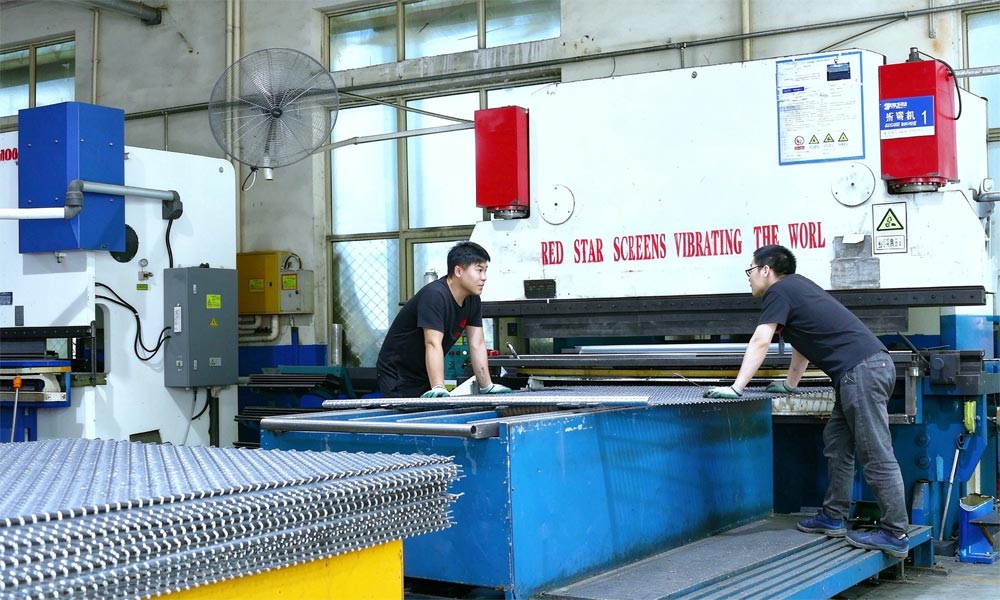
The final practical operational advantage that makes this screen perfectly suited for continuous wet ore washing and dewatering work is its universal deck compatibility and extremely low-maintenance design, which integrates seamlessly into your existing plant’s workflow without any major modifications. A standard woven mesh for wet ore uses the same standard reinforced hook mounting design that your maintenance team is already familiar with, so they can install and tension a full panel in under 30 minutes using their existing tools, no special training or custom fabrication work required. Unlike many specialized non-metallic dewatering screens that can suffer unexpected catastrophic tear failures in wet, slippery conditions, this woven mesh shows clear, gradual visible wear patterns over time, so your team can easily spot early signs of corrosion or abrasion during routine daily inspections and schedule planned replacements during pre-planned maintenance windows, eliminating almost all unexpected unplanned shutdowns. This rugged, no-fuss design makes it suitable for every stage of your wet ore processing circuit, from raw ore washing and desliming, to fine ore classification, to final concentrate dewatering, delivering consistent reliable performance across every single part of your wet processing workflow.
Built specifically to stand up to the unique combination of constant water exposure, sticky fine ore clogging and continuous abrasive scouring that define real-world wet ore processing conditions, a purpose-built woven mesh for wet ore drastically reduces blinding-related downtime, improves dewatering efficiency, and delivers far higher long-term cost efficiency than any generic dewatering screening media on the market.