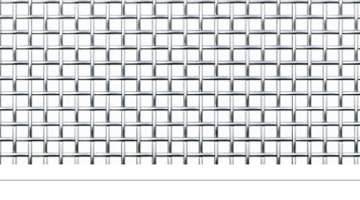
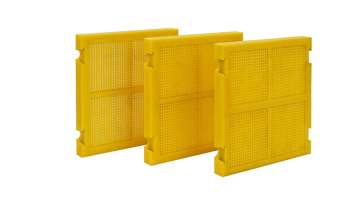
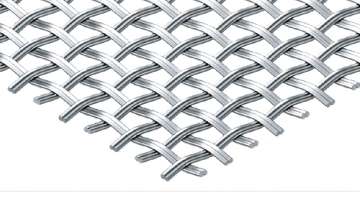
Anti-Clogging Screen Mesh: Aperture Selection For Mining And Aggregate
Aperture size is the single decision that decides whether a screen separates at the cut the plant actually needs, and it is also the decision most often made by habit rather than by analysis, which is why so many decks end up either carrying oversize into the product or throwing good material into the reject. Wire Anti-Clogging Screen Mesh adds a second layer to that decision, because the geometry that keeps apertures working also changes how a given nominal opening behaves in service, and a size that looks right on a specification sheet can perform quite differently once the wire movement and the bed depth are in play. The aperture has to be matched to the duty, not copied from a neighbouring plant, and the match has to account for the feed, the moisture, the product target, and the way the deck is loaded. This article looks at how the cut point is set, how feed characteristics shift the choice, how moisture and near-size material change the effective opening, and how the aperture should be matched across different mining duties.
Setting The Cut Point From The Product Target
Setting the cut point from the product target is where a Wire Anti-Clogging Screen Mesh selection should begin, because the aperture exists to deliver a specification and not to fill a catalogue line. The product target sets the nominal opening, and the opening then has to be adjusted for the way the mesh actually behaves, since the wire movement and the bed depth mean the effective cut is rarely identical to the nominal figure. A plant chasing a tight specification will run a smaller aperture and accept a lower capacity, while a plant chasing tonnage will run a larger one and accept a coarser product, and the trade-off has to be made deliberately rather than discovered after commissioning. The cut point also has to be checked against the feed's top size, because an aperture that is too large relative to the feed lets oversize through and one that is too small relative to the feed loads the deck unnecessarily. The product target is the anchor, and every other factor adjusts around it.
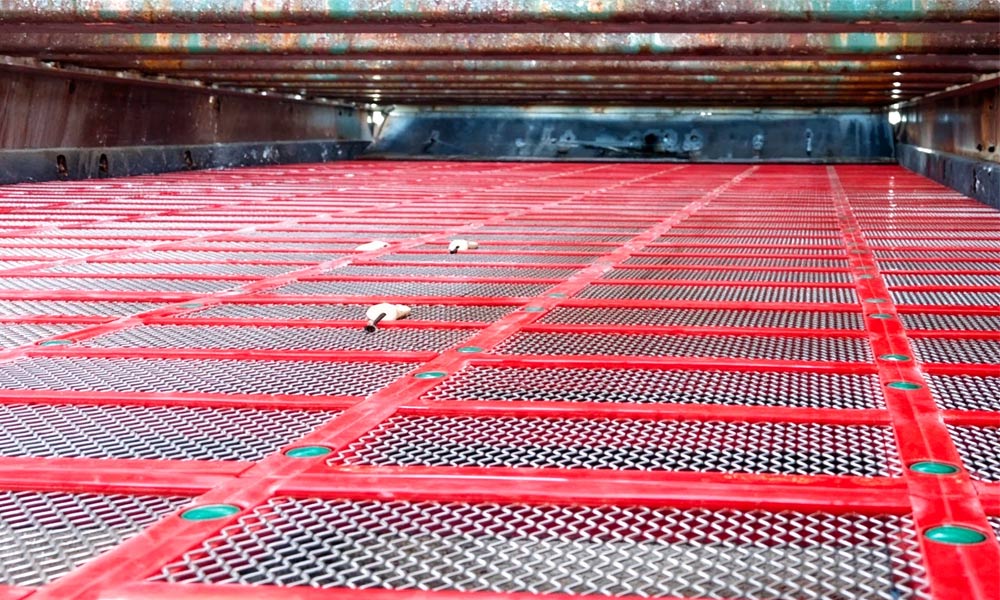
Reading The Feed Before Choosing An Aperture
Reading the feed before choosing an aperture is essential because a Wire Anti-Clogging Screen Mesh performs against a specific particle distribution, and the same nominal size behaves differently on a coarse feed and a fine one. The proportion of near-size material is the most important single figure, since those particles are the ones that present themselves to an opening and either pass or lodge, and a feed rich in near-size material will peg a mesh that a cleaner feed would pass freely. The top size sets the upper limit, because an aperture must be large enough to pass the material the plant intends to pass without being so large that it defeats the separation. The shape of the particles matters as well, since flaky and elongated stone behaves differently at an aperture than rounded stone does, and a mesh tuned for one shape may blind on another. The feed has to be read before the aperture is fixed, because the mesh is only as good as its match to the material.
Adjusting For Moisture And Near-Size Material
Adjusting for moisture and near-size material is where a Wire Anti-Clogging Screen Mesh choice most often goes wrong, because wet conditions change the effective opening in ways a dry trial never reveals. Moisture turns fines into a cohesive paste that bridges across an aperture, and the bridging reduces the effective open area well below the nominal figure, so a mesh that passes freely in a dry test can blind within an hour of wet running. Near-size material compounds this, because those particles lodge in the openings and become the anchors that the wet fines build on, and the combination is what turns a working deck into a blinded one. The adjustment is to favour a geometry that keeps the apertures active rather than a simple enlargement of the opening, since a larger hole passes more oversize without solving the bridging. Moisture and near-size material have to be designed for, not discovered.
Matching Aperture To Different Mining Duties
Matching aperture to different mining duties is the final step, because a Wire Anti-Clogging Screen Mesh that suits a quarry producing aggregate is not the same mesh that suits a wet ore plant or a coal preparation circuit. An aggregate plant usually works to a product specification and can accept a moderate capacity penalty for a tighter cut, while a heavy wet ore duty prioritises keeping the apertures open and will trade some product precision for throughput. A coal circuit often deals with a friable feed where near-size material is abundant, and there the anti-clogging geometry matters more than a marginal change in nominal size. The abrasiveness of the duty also feeds back into the choice, since a highly abrasive feed wears the wire and changes the effective opening over the campaign, so the aperture has to be judged against the life of the panel rather than its first week. The duty sets the balance, and the aperture follows the duty.
Aperture selection is the decision that decides whether a deck separates at the cut the plant needs, and wire anti-clogging screen mesh adds a layer to that decision because the geometry changes how a nominal opening behaves in service. The cut point follows the product target, the feed is read for near-size material and particle shape, moisture and near-size content are designed for rather than discovered, and the aperture is matched to the specific mining duty rather than copied from a neighbour. The mesh is not a universal answer, and a dry, clean feed may be served by a simpler panel, but where the duty is wet, heavy, and rich in near-size material, a carefully matched wire anti-clogging screen mesh is often what keeps the deck separating at the cut it was set for.