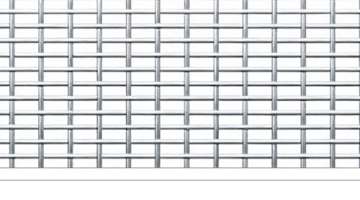
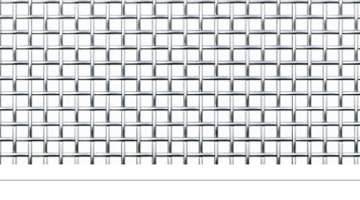
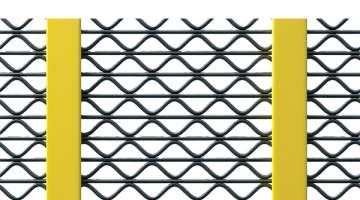
Steel Wire Anti-Clogging Screens For Aggregate Screening
Blinding is the quiet thief of an aggregate plant's output, because it rarely announces itself with a breakdown and instead simply lets the deck pass less material hour after hour until the stockpiles are short and nobody can say exactly when it started. Steel Wire Anti-Clogging Screens are built to attack that problem at its source, using a wire arrangement that keeps the apertures active under vibration so damp fines and near-size stone do not settle into a mat across the surface. The steel wire is chosen for resilience as much as strength, since a wire that flexes and recovers is what sheds a lodged particle rather than holding it, and that behaviour is what keeps the open area close to the figure the deck was designed for. This article looks at why blinding takes hold in an aggregate plant, how steel wire resists it, how the anti-clogging geometry keeps apertures working, and how a plant should match the screen to its feed.
Why Blinding Takes Hold In An Aggregate Plant
Blinding takes hold in an aggregate plant because a Steel Wire Anti-Clogging Screens panel is asked to handle a feed that is rarely dry and rarely clean, and the conditions that cause blinding are present in most ordinary production days. The fines in an aggregate feed carry moisture from the pit, from the wash water, or simply from the air, and that moisture turns them into a cohesive paste that bridges across an aperture instead of passing through it. Once a bridge forms it collects more fines and grows into a mat, and the mat spreads across the deck until whole sections are passing almost nothing. The near-size stone adds to the problem, because those particles present themselves to an opening and either pass or lodge, and the lodged ones become the anchors that the fines build on. A plant that runs a damp feed without a screen built for it will see blinding arrive within the first hours of a shift.
How Steel Wire Resists Blinding
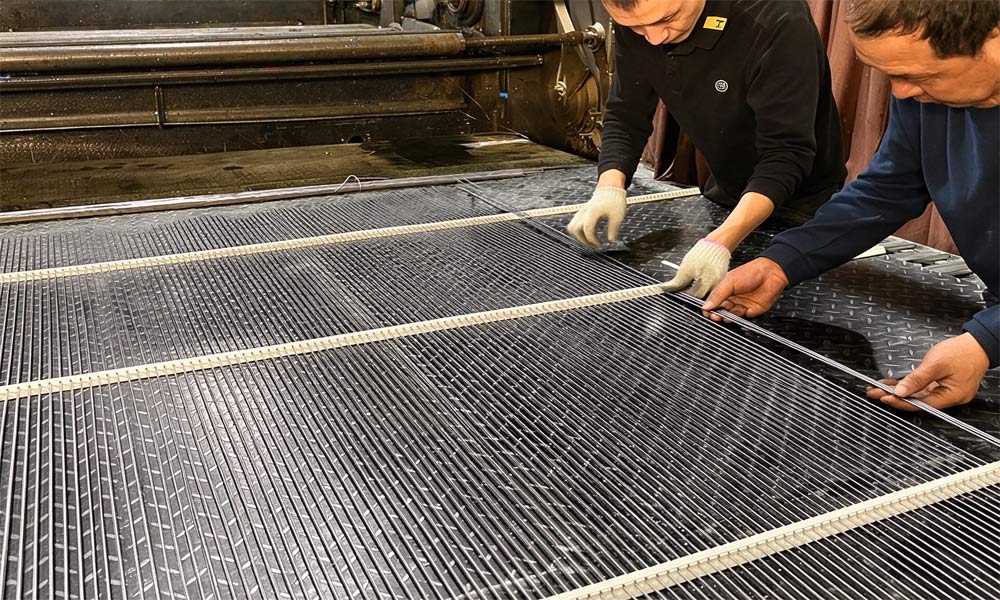
Steel wire resists blinding because a Steel Wire Anti-Clogging Screens wire is selected for its ability to deflect under load and return, rather than simply to resist wear. When the bed presses on the wires, a resilient steel wire flexes and then springs back, and that return motion is what throws a lodged particle loose before it can consolidate into a permanent mat. The grade also holds its tension through repeated flexing, so the panel does not slacken and lose its geometry as the shift goes on, which is the failure that turns a working deck into a blinded one. The resilience matters most in the damp condition, because a wire that merely resists will hold a bridge until it is cleaned, while a wire that recovers will shed it while the deck is still running. Steel wire is doing the work that a stoppage and a manual clean would otherwise have to do.
How The Anti-Clogging Geometry Keeps Apertures Working
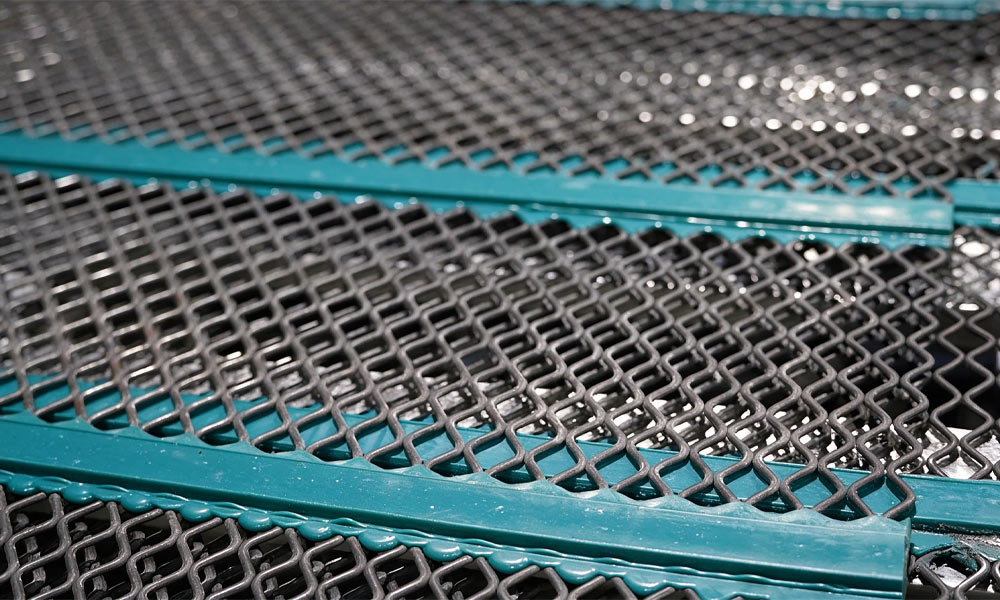
The anti-clogging geometry keeps apertures working because a Steel Wire Anti-Clogging Screens panel is arranged so the openings are not static holes that a damp mat can settle into. The wires are set so they move relative to one another as the deck vibrates, and that relative movement disturbs a bridge of fines before it can harden into a mat. The surface is also shaped so the material does not travel in a flat, settled layer, which reduces the time a near-size particle spends sitting over an opening and gives it fewer chances to bridge. Because the openings stay clear, the effective open area stays close to the design figure, and the deck keeps the capacity it was specified for rather than losing it as the damp feed loads the apertures. The geometry is what makes the steel wire's resilience count, since a resilient wire in a static opening would still blind.
Matching The Screen To An Aggregate Feed
Matching the screen to an aggregate feed is what turns a Steel Wire Anti-Clogging Screens specification into a deck that performs, because the right balance for one plant is not automatically right for another. The moisture level sets whether blinding or wear is the dominant problem, and a damp feed calls for a geometry that sheds water and fines rather than one tuned purely for abrasion resistance. The proportion of near-size material sets how much the anti-clogging action is worth, since a feed with little material close to the cut gains less from the wire movement and may be served by a simpler panel. The abrasiveness of the stone sets how much wire section is needed, and the life has to be judged against the replacement cost and the downtime rather than the purchase price alone. Matching these factors to the duty is what keeps the deck separating efficiently rather than merely running.
Blinding is the quiet thief of an aggregate plant's output, and steel wire anti-clogging screens answer it by flexing and recovering under load so lodged particles are shed while the deck is still running. The steel wire grade holds its tension through repeated flexing, the anti-clogging geometry disturbs bridges before they harden into a mat, and the open area stays close to the design figure through the shift. The screen is not a universal answer, and a dry, free-draining feed may be served by a simpler panel, but where the aggregate carries damp fines and near-size stone, the steel wire anti-clogging screen is often what keeps the deck passing material rather than fading as the apertures blind.