4 Key Root Causes of Premature Screen Failure
If you’ve ever stood beside a mineral processing plant’s screening deck mid-production shift, staring at a brand new woven wire mesh that tore completely apart after less than a week of operation, you know exactly how frustrating and costly these unexpected failures are, triggering hours of unplanned downtime, wasted labor and lost ore processing throughput that derails your entire daily production target. Many plant maintenance supervisors I’ve collaborated with over the years shared that they used to blame every single premature screen failure on poor manufacturing quality, never realizing that more than 80% of these breakdowns have nothing at all to do with the mesh itself. When you dig into the real root causes that explain why woven mesh breaks far earlier than its rated service life, you will almost always find that the failure traces back to a small, preventable mistake made during material selection, installation or daily operation, not a defective product from the factory.
Mismatched Wire Material for Your Exact Ore Hardness
The first and most common root cause that explains why woven mesh breaks far earlier than expected is selecting a wire material that is completely mismatched to the hardness, abrasiveness and impact load of the specific ore you process every day. Many plant teams pick the cheapest generic mild steel woven mesh available to cut upfront costs, never realizing that ordinary low-carbon steel has extremely poor abrasion resistance and low tensile strength, and will wear completely through or tear apart in less than 10 days when processing high-hardness copper, iron ore or granite with Mohs hardness above 6. Even a 65Mn spring steel mesh will fail prematurely if you skip the critical post-fabrication quenching and tempering heat treatment step, leaving the wire soft and prone to rapid abrasive thinning, or overheat the material during processing making it brittle and prone to sudden shattering under heavy ore impact. This mismatch is the single most frequently overlooked factor that explains why woven mesh breaks in the first 20% of its expected service life, and it can be fixed instantly by matching your wire material formulation and heat treatment process exactly to your ore’s measured Mohs hardness and maximum typical feed particle weight.
Uneven Tensioning and Poor Deck Surface Preparation
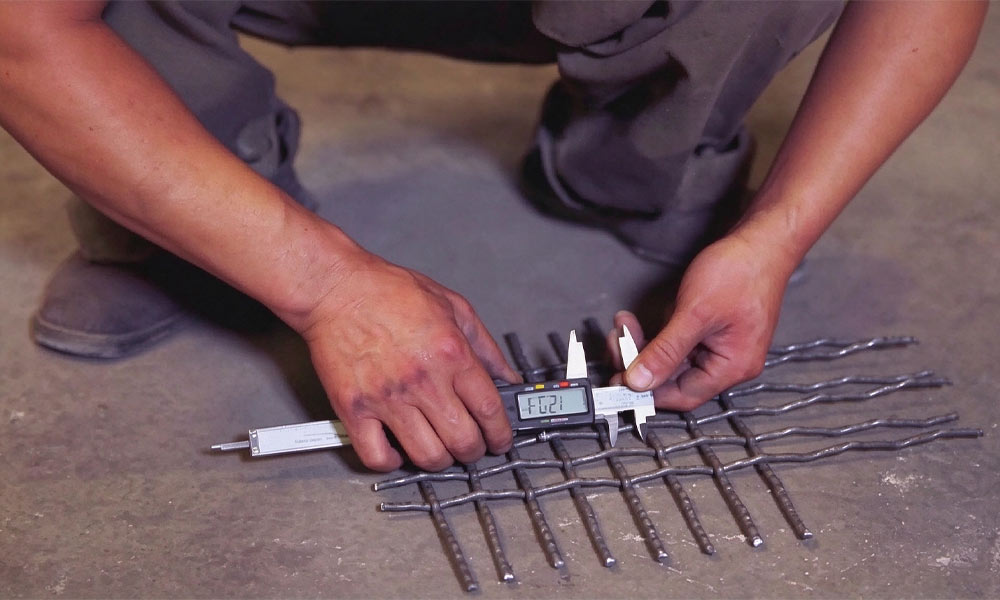
The second extremely widespread preventable issue that explains why woven mesh breaks after just a few weeks of operation is improper installation, specifically uneven tensioning and failure to properly prepare the screen deck surface before mounting the new panel. If you skip the step of grinding down all sharp burrs, replacing bent worn support rails and wiping away all caked-on residual ore before installing the new mesh, the sharp high points on the deck will abrade the underside of the wire every time the screen vibrates, rapidly sawing through the mesh from the bottom up without any visible signs of wear on the top material contact surface. When you tension the panel, if you tighten the bolts unevenly, working all the way down one side before touching the other instead of following a proper diagonal cross tightening sequence, you create uneven slack zones across the mesh surface. These loose slack sections repeatedly slap hard against the underlying support frame under high-frequency vibration, generating rapid fatigue cracks that slowly propagate across the entire panel, until the screen tears completely apart with no obvious warning signs. This installation error is one of the most underappreciated factors that explains why woven mesh breaks even when you selected the correct high-quality wire material, and it can be almost completely eliminated with a simple standardized installation checklist your maintenance team follows for every single new panel.
Concentrated Localized Feed Impact Without Protection
The third high-impact root cause that explains why woven mesh breaks far earlier than its rated service life is unprotected concentrated heavy ore impact at the screen’s feed end, where more than 70% of all total screen wear and fracture incidents happen. When you dump large run-of-mine ore boulders directly onto the unprotected woven mesh surface from a 2 to 3 meter high feed point, all the massive kinetic energy of those heavy falling rocks concentrates on a tiny narrow 200mm wide strip of the mesh, creating localized stress loads far higher than the wire’s rated tensile strength. Over just a few days of continuous operation, this repeated concentrated impact will create deep dents and micro-cracks in the wires at the feed zone, which quickly propagate into full fractures that punch a large hole right through the mesh. This is the most common reason that teams report their new screens always fail right at the feed end, even when the rest of the panel is almost completely unworn, and it is one of the clearest answers to the question of why woven mesh breaks in a predictable localized pattern. Installing simple low-cost hardened alloy impact bars and a material distribution baffle at the feed point absorbs most of that impact force and spreads the ore evenly across the full deck width, eliminating this failure mode almost entirely.

Ignoring Early Warning Signs of Fatigue Wear
The final very common reason that explains why woven mesh breaks catastrophically without warning is skipping regular routine inspections and ignoring the obvious early warning signs of progressive fatigue wear long before the screen fails completely. Most teams only walk past the running screen quickly during their shift, and they never stop to listen for unusual slapping or thudding noises that are the first clear sign a tensioning bolt has loosened and created a slack section that will rapidly fatigue and break. They also never take 5 minutes during their weekly maintenance window to wipe down the mesh surface and look for fine hairline cracks, localized shiny high-wear spots or small broken individual wires, all early warning signs that the screen is approaching the end of its usable life and should be scheduled for replacement during the next planned maintenance break. When you ignore these clear signals, the small initial cracks will propagate rapidly under continuous heavy vibration, until the entire panel tears apart completely without warning, triggering a multi-hour unplanned shutdown that could have been completely avoided. This lack of regular inspection and proactive maintenance is the final key factor that explains why woven mesh breaks far earlier than its maximum possible service life.
By addressing these four common root causes, you can eliminate more than 80% of all premature unexpected woven wire mesh failures, drastically extend your average screen service life, cut your annual screening-related operational costs by more than half, and almost completely eliminate unplanned screen-related downtime across your entire ore processing circuit.