Twin Wire Woven Screen: Anti-Blinding Mesh for Aggregate Processing
If you have ever run a high-volume aggregate, coal, or fine mineral screening circuit, you know how big of a problem screen blinding can be: fine sticky particles wedge straight into every aperture, lock themselves in place permanently, and slowly choke off your material flow until your throughput drops to a tiny fraction of the screen’s full rated capacity. Standard single-wire woven mesh does not have any way to stop this, even regular high-pressure backwashing cannot knock loose the fine particles that get wedged deep inside the straight-sided apertures, and operations end up pulling the panel off the deck every few days to manually scrub the blinding out, wasting hours of maintenance labor and lost production time. Many sites try to fix this by adding loose rubber anti-blinding balls under the deck, but those balls wear out fast, break apart, and leave tiny rubber particles that contaminate your final product, creating even more quality control headaches. Purpose-built twin wire woven screen engineered specifically for high flow screening and anti-blinding performance solves this widespread problem at the source, using a unique paired twin-wire weave design that creates naturally vibrating loose apertures that almost never trap fine particles permanently.
Unique Twin-Wire Weave Creates Naturally Self-Cleaning Apertures
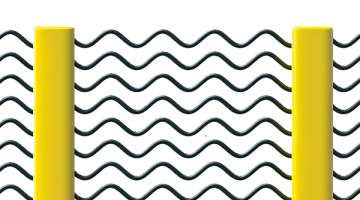
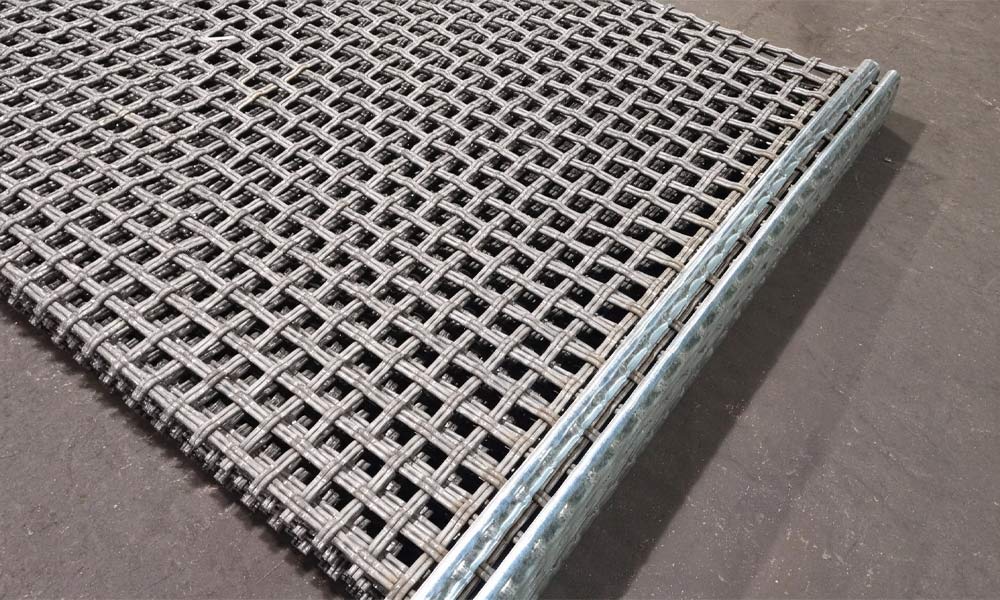
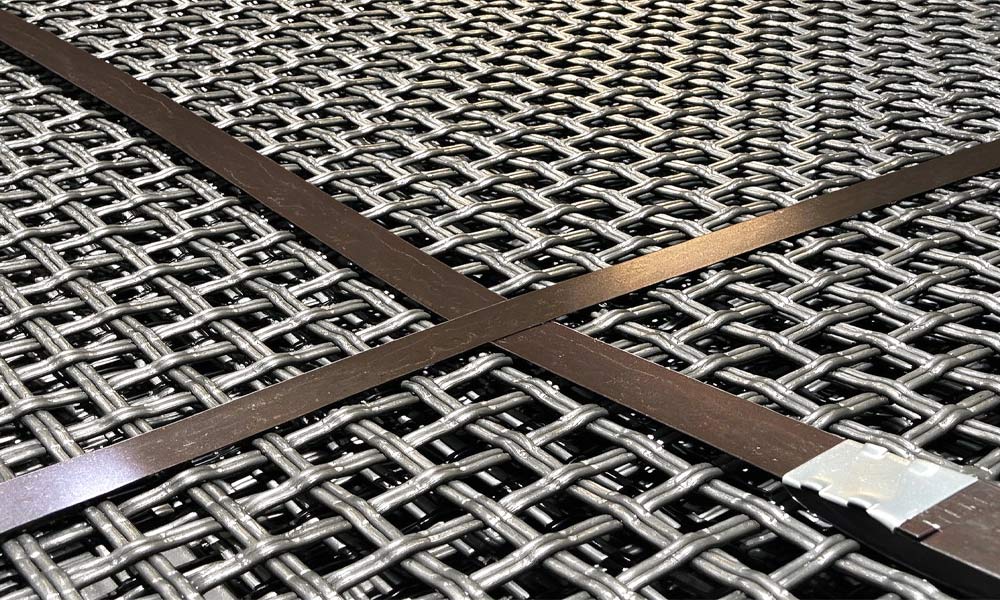
Instead of using one single solid wire for each warp and weft line, this specialized screen pairs two thinner parallel wires side by side for every single line in the weave, and Twin Wire Woven Screen leaves a tiny controlled amount of free movement between each pair of twin wires, so the apertures flex and shift slightly with every single vibration cycle of the screen deck. On standard single-wire woven mesh, every wire is completely rigid and locked firmly in place, so any fine particle that gets wedged into the aperture stays stuck there permanently, no amount of deck vibration can shake it loose. On this twin-wire design, the tiny constant movement between the paired wires gently shifts the shape of every aperture slightly thousands of times per minute, so no fine particle can lock itself permanently into place, almost all trapped fine material shakes loose and falls through the screen under normal deck vibration. Most operations report that they almost never see permanent blinding on these panels, even when processing very sticky clay-rich fine aggregate or damp fine coal that would completely clog a standard single-wire screen in just a few hours.
Wide Open Flow Channels Deliver Far Higher Material Throughput
The unique twin-wire layout creates long, unobstructed open flow paths across the entire screen surface, with no narrow restricted gaps that slow down fine material and water drainage, and Twin Wire Woven Screen delivers far higher total effective open area than standard single-wire mesh of the exact same nominal aperture size. On standard single-wire mesh, the thick solid single wires create narrow, sharp-edged apertures that slow down material flow and trap fine particles, but the paired thinner twin wires create wider, smoother flow channels that let fine material and free water pass through the screen extremely quickly with almost no resistance. This means you can push far more tons of material across your screen deck every single hour, without increasing screen size or adding extra processing equipment. Most quarries and coal washing plants that switch over find that their total hourly screening throughput jumps by 25% or more immediately, even when processing the exact same feed material at the same deck vibration settings they used for their old standard mesh.
Reinforced Twin-Wire Structure Stands Up To Heavy Continuous Operating Load
Even though the design uses two thinner paired wires instead of one thicker single wire, the combined total tensile strength of each twin-wire line is equal to or even higher than a single thicker solid wire of the same total cross-sectional area, and Twin Wire Woven Screen has no loss of structural strength or service life compared to standard heavy-duty single-wire woven mesh. Unlike thin lightweight anti-blinding mesh that breaks easily under heavy impact from large falling rock lumps, this twin-wire design distributes heavy impact force across both paired wires, so it can absorb repeated heavy lump impacts without denting, snapping, or deforming permanently. Most mining operations report that these twin wire panels last just as long as their old heavy-duty single-wire panels, even when processing sharp, high-abrasion aggregate and heavy ore, with zero unexpected wire breaks or full panel tears. You do not have to trade away service life and durability just to get better anti-blinding performance.
All-Metal Anti-Blinding Design Eliminates Rubber Accessories Entirely
Since the self-cleaning effect comes entirely from the natural small movement between the paired twin wires, you do not need to install any rubber anti-blinding balls, rubber strips, or other loose moving accessories underneath the screen deck at all, and Twin Wire Woven Screen creates zero risk of broken rubber pieces contaminating your final screened product. On traditional anti-blinding systems that rely on bouncing rubber balls to knock material loose from the screen underside, the rubber balls wear down quickly, break apart into tiny pieces, and those small rubber fragments get mixed into your final aggregate or coal product, creating contamination that fails quality control specifications for many downstream customers. This all-metal twin wire design has no loose moving parts at all, so there is zero risk of foreign rubber contamination, and you never have to stop production periodically to replace worn out anti-blinding balls.
High-flow industrial screening does not have to be a constant frustrating battle with permanent blinding, lost throughput, and extra maintenance work. Twin Wire Woven Screen for high flow screening and anti-blinding performance uses a unique paired twin-wire weave that creates naturally self-cleaning apertures that shake loose fine trapped material with every deck vibration cycle, wide open unobstructed flow channels that deliver far higher material throughput, a reinforced structure that matches the durability of standard heavy-duty single-wire mesh, and an all-metal design that completely eliminates the need for messy rubber anti-blinding accessories. For extremely heavy high-impact primary scalping decks processing large 200mm+ ore lumps, thick perforated manganese steel plate will still be the most durable choice, but for all secondary fine sizing, fine coal dewatering, and sticky aggregate screening duties, this twin-wire anti-blinding screen will almost completely eliminate permanent blinding, boost your total circuit throughput, and cut down your routine screen maintenance workload dramatically.