How to Solve Square Woven Screen Blinding in Mineral Screening
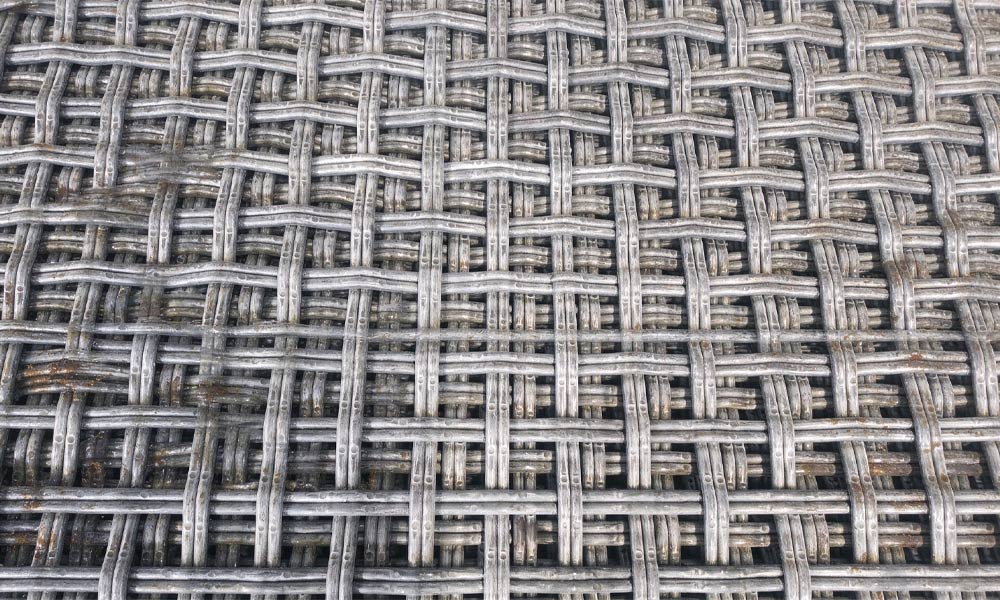
If you’ve ever stood on a mineral processing or quarry screening deck at the end of a rainy shift, staring at a screen that’s 70% blocked with caked-on wet clay and wedged near-size particles, watching your plant’s throughput drop to less than half its normal target, you know exactly how much unplanned downtime, wasted labor and lost revenue screen blinding can cause for your whole operation. Many plant maintenance supervisors I’ve worked alongside over the years shared that they used to treat blinding as an unavoidable, inherent problem with square woven screens, until they implemented a set of targeted, low-cost operational tweaks that let them fix square woven screen blinding almost completely, without any expensive custom screen modifications or full equipment upgrades. This practical, field-tested guide skips generic marketing talking points and breaks down the exact actionable steps you can implement today to eliminate persistent screen blockages and keep your screening deck running at full maximum efficiency.
Adjust Feed Moisture and Pre-Treat Sticky Material
The first highest-impact, lowest-cost change you can make to immediately fix square woven screen blinding is adjusting your upstream feed moisture content and adding a simple pre-treatment step for sticky clay-heavy material, before it ever even reaches your screening deck. Most unexpected severe blinding events happen when your feed moisture content climbs above 7%, turning fine silt and clay particles into a thick sticky paste that coats every single wire on the screen surface and seals off all open square apertures in less than an hour of continuous operation. The simple fix to drastically reduce this risk is installing a small variable-speed feed hopper heating element or a low-volume dry fine dust additive system at your feed inlet, which keeps your feed moisture content stable between 3% and 5% even during rainy high-humidity seasons, preventing fine particles from turning into that sticky paste that clogs up the mesh. This small adjustment will immediately fix square woven screen blinding caused by wet sticky material, and most operations see their screen’s effective open area stay above 90% across a full 12-hour shift, instead of dropping down to 30% after just a couple of hours of running high-moisture feed. If you cannot easily adjust feed moisture, you can also add a small set of staggered impact baffles at the screen feed end, which breaks up large sticky agglomerates before they land on the screen surface.
Optimize Deck Vibration Parameters and Motion Profile
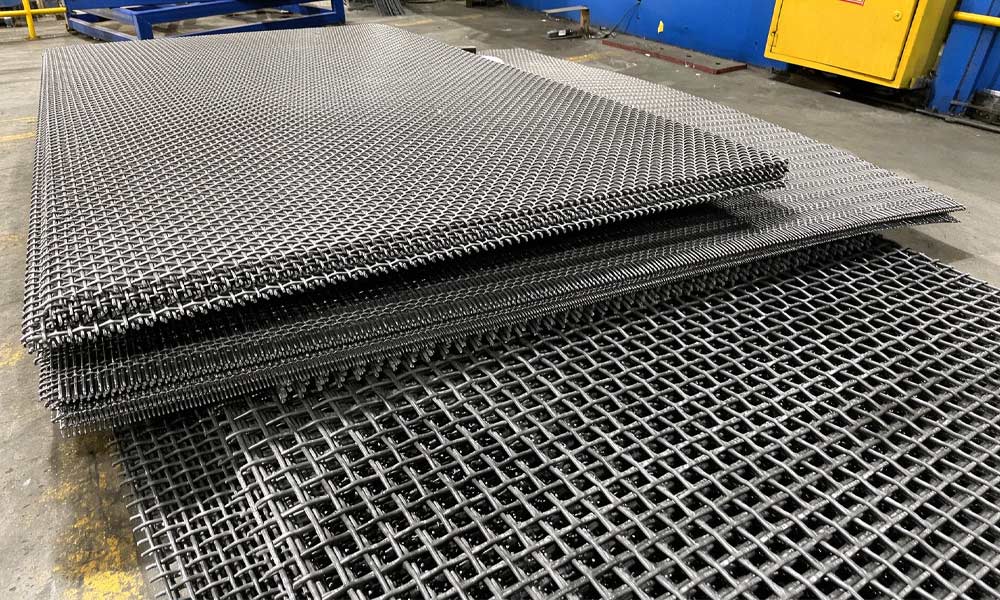
The second critical operational tweak that will reliably fix square woven screen blinding caused by wedged near-size particles is re-calibrating your vibrating screen’s vibration amplitude, stroke length and motion profile, instead of running the same generic factory default settings all year round. Most mineral processing plants leave their vibrating screens running at the default factory circular motion setting, which only moves near-size particles in a smooth circular path across the aperture, letting them settle and wedge tightly into the square openings very easily. The simple targeted adjustment that will shake loose 90% of partially wedged near-size particles is switching your screen’s motion profile from standard circular motion to a low-angle elliptical motion, with a slightly increased 6mm to 8mm stroke length and a 10% higher vibration frequency. This modified motion profile creates a small sharp upward flicking action every vibration cycle, which tugs at the bottom of any wedged near-size particle from underneath, shaking it loose and tossing it back up into the material bed before it can lock fully into place. This small parameter change will fix square woven screen blinding caused by hard sharp near-size particles, without reducing your screening deck’s classification accuracy or throughput, and many operations report that they no longer need to stop production for mid-shift manual screen cleaning after making this simple adjustment. You can also make small seasonal tweaks to these settings, increasing stroke length slightly during high-moisture seasons and reducing it during dry low-near-size conditions, to keep anti-blinding performance perfectly optimized all year round.
Add Non-Destructive Continuous Deck Anti-Blinding Hardware
The third practical hardware upgrade that will permanently fix square woven screen blinding without damaging your mesh is installing a set of simple, low-cost continuous anti-blinding accessories directly underneath your existing screen panel. The most widely proven option that mining and quarry operations have used for decades is a grid of independent bouncing rubber balls mounted in a separate fixed perforated support deck directly below the main screen panel, which bounce up and strike the bottom of the square woven screen thousands of times per minute as the deck vibrates. These repeated soft gentle impacts knock loose any partially stuck particles and thin layers of sticky paste that have started to build up on the screen apertures, before they can harden and create a permanent blockage. This completely non-destructive system will fix square woven screen blinding 24 hours a day during full production operation, with zero manual cleaning labor required, and the soft rubber balls will never scratch, dent or wear down your screen wires prematurely.
Implement Scheduled Low-Impact Preventive Cleaning Cycles
The final simple routine practice that will stop persistent hard-to-remove blinding from building up over time is adding a short, scheduled low-impact preventive cleaning cycle into your plant’s normal operating schedule, instead of waiting until the screen is 60%+ blocked to take action. Once every 24 hours during your normal pre-planned 10-minute circuit break, you can stop feeding new material onto the screening deck, let all remaining material on the deck discharge completely, then let the empty screen run at maximum vibration intensity for 2 full minutes. This short empty-deck high-vibration cycle will shake loose almost all remaining partially stuck particles and thin layers of dried sticky paste that have built up in the apertures over the course of the day, preventing them from hardening and turning into permanent blockages that cannot be shaken loose. This tiny 2-minute daily routine will fix square woven screen blinding before it ever develops into a severe problem, drastically extending the total usable service life of your screen, and ensuring your deck never operates for extended periods at reduced throughput. This small scheduled step also eliminates the need for your maintenance team to use sharp pry bars or high-pressure water jets to dig out hardened blockages.
By combining these four practical, low-cost operational, hardware and maintenance practices, you can almost completely eliminate persistent square woven screen blinding and blockage issues, keep your screening deck running at 95%+ of its maximum classification efficiency at all times, drastically cut unplanned downtime and reduce your annual screen consumable replacement costs by more than 35%.