Self-Cleaning Screens For Reducing Downtime
Downtime in ore processing rarely announces itself as a single dramatic failure, and more often it accumulates through small stoppages that each seem trivial until the shift report shows how much production they consumed. Blinding is one of the quiet contributors, because a deck that gradually seals itself forces operators to stop and clean it, and those stoppages repeat every shift until they feel like part of the routine. Polyurethane edged self-cleaning screens are built to interrupt that cycle, combining a flexible aperture that clears itself during the run with a reinforced polyurethane edge that protects the panel where it meets the frame. The result is a deck that spends more of its scheduled hours actually screening and less of them being cleaned, and a panel that survives the handling that changeouts impose. This article looks at where downtime really comes from, how the self-cleaning action works, what the edged construction contributes, and how to judge whether the panel suits a given duty.
Where Downtime Really Comes From
Downtime in ore processing comes from many small sources rather than one large one, and Polyurethane Edged Self-Cleaning Screens target the sources that repeat every shift rather than the ones that occur once a year. Blinding is the most persistent, because a deck that seals gradually forces a stoppage to clean it, and the stoppage recurs as soon as the panel blinds again, so the loss compounds across the shift rather than appearing as a single event. Changeout labour is another, since replacing a panel takes time and the handling involved can damage the panel before it is even installed, and a panel that is awkward to fit extends the stoppage beyond the replacement itself. Carryover of moisture and fines into downstream equipment is a third, because a blinded deck passes material it should have separated and the consequences surface later in the circuit. The common thread is that each source is small enough to be tolerated individually and large enough to matter when they are added together.
How The Self-Cleaning Action Works
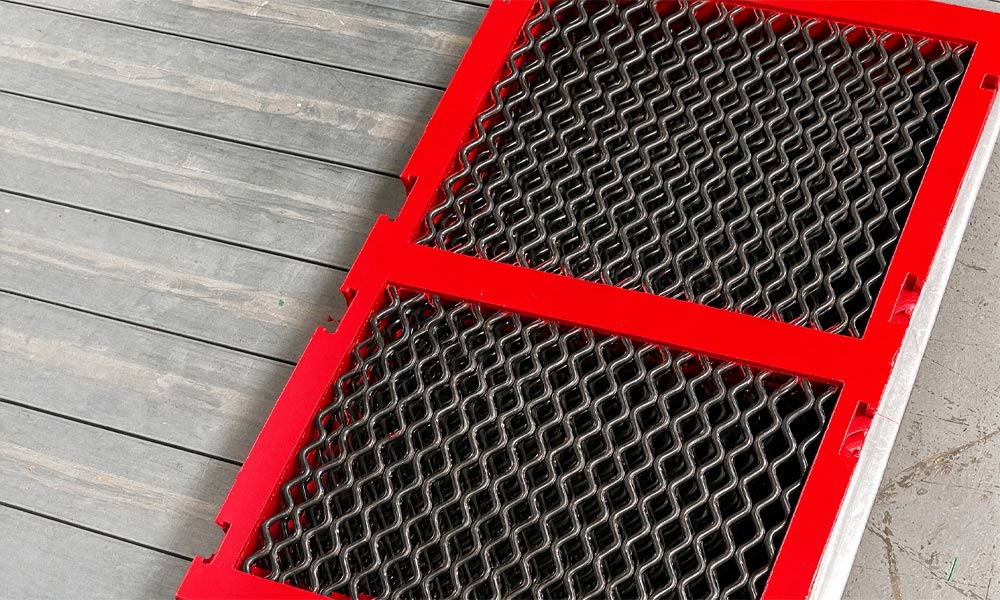
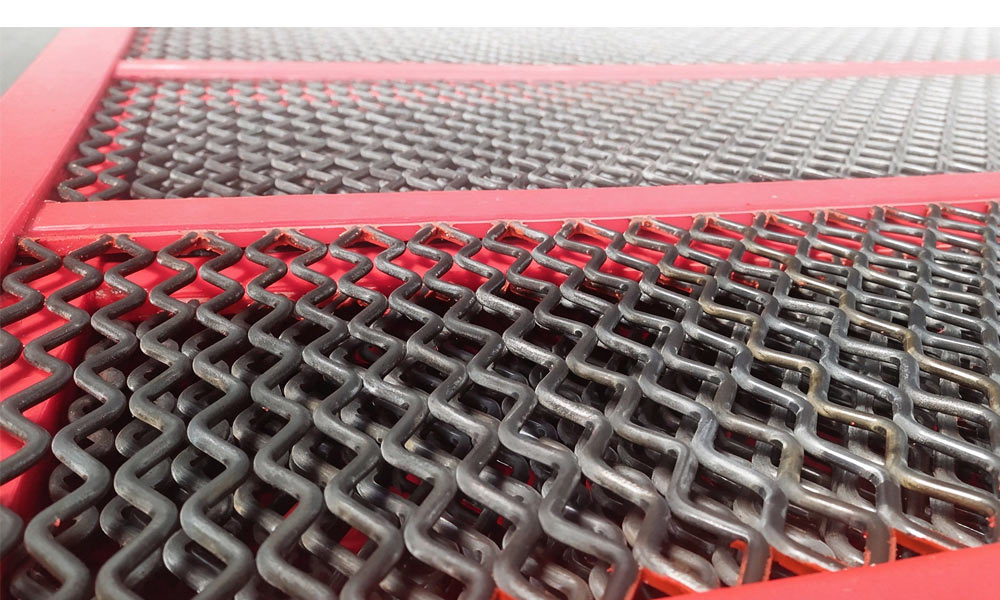
The self-cleaning action of Polyurethane Edged Self-Cleaning Screens works because the flexible apertures deform as the deck vibrates, and that deformation ejects the particles that have lodged rather than leaving them to accumulate. The polyurethane is elastic enough to flex repeatedly without taking a permanent set, so the aperture opens and closes slightly with each cycle and the movement breaks the bridges that form across an opening. Because the cleaning happens continuously during the run, the deck does not accumulate the layer of lodged fines that would otherwise require a stoppage to remove, and the open area stays close to its design value rather than decaying through the shift. The action is passive, in the sense that it requires no water, no operator attention, and no additional equipment, which is what makes it valuable in a plant where every intervention carries a cost. The panel cleans itself as a consequence of doing its job.
What The Edged Construction Contributes
The edged construction of Polyurethane Edged Self-Cleaning Screens contributes to uptime in ways that are easy to overlook until a changeout goes wrong, because the edge is where a panel is handled, clamped, and stressed. A reinforced polyurethane edge protects the panel where it meets the frame, so the clamping force is distributed rather than concentrated on a thin section that would tear or crack under it, and the panel stays secure without being over-tightened. The edge also protects the panel during handling, since a screen is lifted, carried, and positioned by its edges, and a reinforced edge survives that treatment where an unprotected one might be damaged before installation. The result is a panel that fits reliably, stays in place, and can be removed and refitted without being destroyed in the process, which shortens changeouts and reduces the frequency with which panels are replaced for handling damage rather than wear.
How To Judge Whether The Panel Suits A Duty
Judging whether Polyurethane Edged Self-Cleaning Screens suit a duty means asking where the downtime actually comes from rather than assuming the panel is an improvement everywhere. If the deck blinds repeatedly and the stoppages are cleaning stoppages, the self-cleaning action addresses the cause directly and the panel is likely to pay. If the downtime comes from wear and the duty is heavily abrasive, polyurethane may wear faster than hardened steel and the panel's advantage in cleaning will be offset by a shorter life, so the trade needs to be weighed rather than assumed. If the downtime comes from changeout handling, the edged construction helps, but if it comes from the circuit design or from upstream instability, no panel will fix it. Matching the panel to the constraint is what makes the purchase pay, and applying it where the constraint lies elsewhere adds cost without adding uptime.
Downtime in ore processing is rarely one large event, and polyurethane edged self-cleaning screens address the small recurring sources that quietly consume production, keeping apertures clear during the run and protecting the panel where it is handled and clamped. The result is fewer cleaning stoppages, shorter changeouts, and a deck that spends more of its scheduled hours screening. The panel is not a universal answer, and where wear or circuit design is the real constraint it will not deliver the expected gain, but where blinding and handling damage are the recurring causes, it addresses them directly. For plants that have accepted cleaning stoppages as part of the routine, the self-cleaning panel is often the change that removes the routine rather than managing it.