Mining Screen Cloth: Types, Material Selection and Operational Impact
If you have ever spent a full shift walking the screening decks at a busy iron ore concentrator or a coal prep plant, you already know that the part taking the worst, most unappreciated beating on any vibrating screen is never the heavy steel frame or the high-torque vibrator motor, but the thin, tensioned surface stretched tight across every deck: mining screen cloth. This is the component that meets every ton of crushed rock, sticky slurry, and sharp aggregate head-on, deciding exactly what passes through to the next process stage and what gets diverted back for re-crushing, and it quietly shapes everything from your plant’s daily throughput numbers to the final product’s moisture content and gradation consistency. After years of talking through screen failure root causes with maintenance foremen and process engineers across different mine sites, I have watched the same costly mistake repeat itself over and over: teams treat screen cloth as a cheap, throwaway spare part instead of a process-critical performance lever, and that oversight quietly drains thousands of dollars in lost production every single month. This practical, field-tested guide breaks down what mining screen cloth actually is, the real operational differences between its most common types and how material choices change long-term service life.
The Unseen Operational Role Most Teams Never Fully Map Out
Most plant crews only pay attention to screen cloth when it tears wide open, blinds completely over, or lets unwanted oversize material slip through to contaminate a full shipment of finished product, but its influence on overall circuit efficiency runs far deeper than those obvious, hard-to-miss failure points. Every time a fresh stream of feed lands on the deck, the cloth’s aperture geometry, open area percentage, wire or polymer thickness, and surface texture work together to decide how quickly particles stratify, how easily near-size grains find an opening to fall through, and how much sticky, high-clay material will cling to the surface and block flow as the shift wears on. A poorly matched Screen Cloth can choke a perfectly sized screen so badly that operators have no choice but to throttle back feed rates by 15 to 20 percent just to keep material from spilling over the discharge end and creating a housekeeping mess, while a well-specified cloth can unlock extra sustainable tonnage on the exact same machine without any expensive upgrades to the motor, stroke length, or feed distribution system.
Common Types Of Mining Screen Cloth You Will Encounter On Site
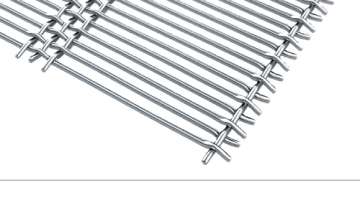
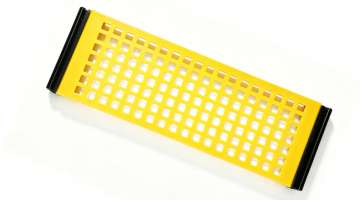
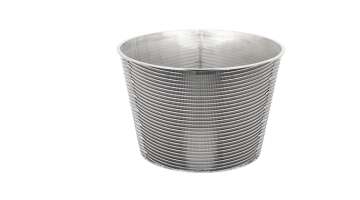
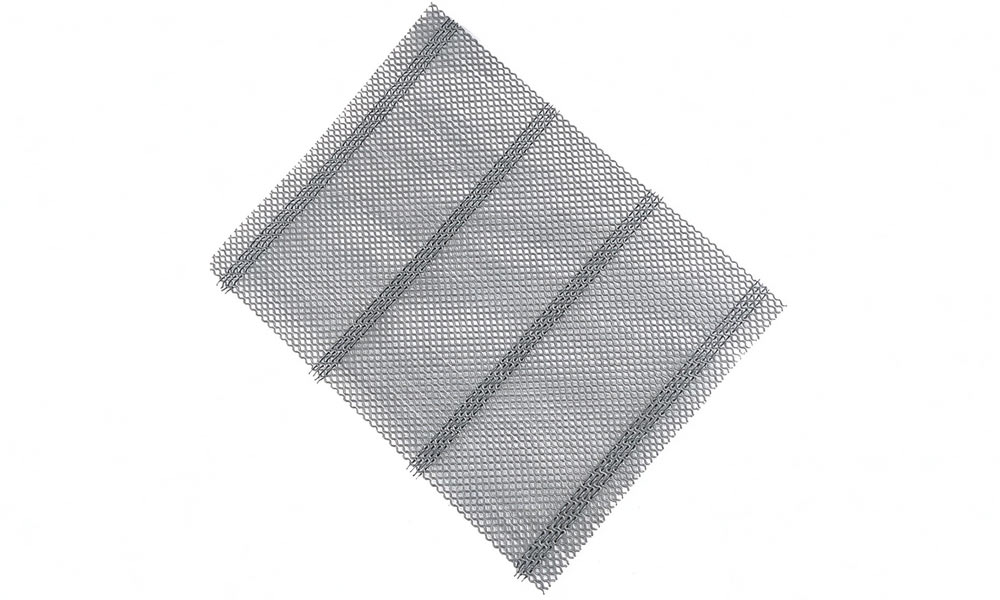
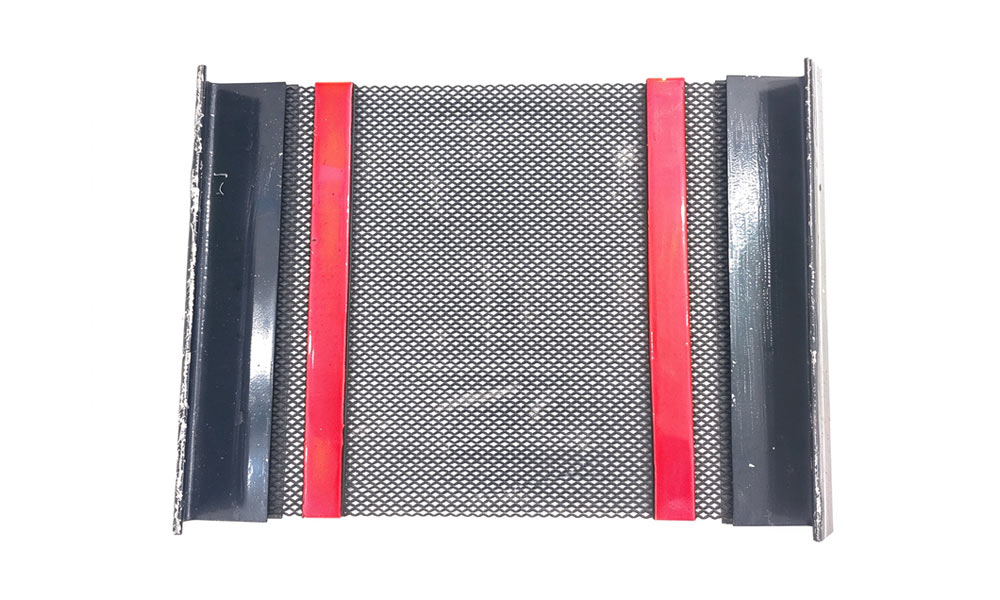
If you tour a well-run, large-scale mineral processing facility, you will almost always find at least three different styles of screen cloth running side by side on separate decks, each one purpose-built to solve a specific set of on-site operational problems. Woven wire mesh, the oldest and most widely recognized industry workhorse, is made by interlacing metal wires in plain, twill, or lock crimp patterns to create precise, consistent openings that deliver excellent cut point accuracy and high open area for dry sizing duties, though it tends to stretch and wear faster under heavy repeated impact from large, sharp run-of-mine lumps. Perforated plate, punched from thick steel or rubber sheet, is the go-to choice for primary scalping and heavy-impact applications where large, jagged ore chunks would tear woven mesh apart in a matter of days, and it holds its shape reliably even under extreme loading that would warp thinner, more delicate media. Modular polyurethane and rubber panels, the fastest growing category in modern screening operations, snap or bolt into a pre-fabricated steel frame so crews only have to replace the small, localized worn section instead of pulling and re-tensioning an entire full-deck Screen Cloth, and their flexible surface absorbs shock, cuts ambient noise on the plant floor, and resists blinding far better than most traditional metal alternatives. Even within this modular family, you will find highly specialized designs built for specific duties, and a well-configured setup is one of the most widely trusted options for fine wet separation.
How Material Selection Defines Wear Life And Day-To-Day Performance
The material you choose for your screen cloth does not just decide how many thousands of tons of material it can process before it needs to be swapped out; it shapes almost every part of your screening operation’s day-to-day performance and ongoing maintenance routine. High-carbon and manganese steel wires are the longstanding industry standard for most dry hard rock and aggregate duties, because they offer a strong balance of low upfront cost, good ductility, and natural work-hardening under impact that extends their usable service life even in highly abrasive conditions. Stainless steel, especially 304 and 316 grades, becomes absolutely essential in coal washing, salt processing, and any circuit with acidic or chemically active slurry that would quickly corrode ordinary carbon steel panels in a matter of weeks. Polyurethane compounds dominate fine wet dewatering and sizing duties because they can outlast comparable metal panels by three to five times in abrasive slurry, flex instead of cracking under repeated heavy impact, and drastically reduce the constant blinding that happens when fine sticky particles wedge themselves into the sharp, rigid openings of traditional metal mesh.
Industrial Screening Applications That Drive Real-World Specification Choices
You see mining screen cloth everywhere in mineral and material processing. But here’s the thing: the conditions on site pretty much decide what spec you actually need. Don’t just go with what a catalog says—real-world duty always wins out. Take hard rock mining. Up front, those primary and secondary scalping decks use thick, heavy plate that knocks out massive rocks before they jam up the crushers. Move further down, though, and you’ll spot finely woven wire on sizing decks, dialed in to hit exact particle sizes so that the next steps—leaching or extra grinding—go smoothly.Swing over to aggregate quarries, and they’re all about open mesh. The goal? Deliver just-right concrete and asphalt mixes for construction. Even a trace of oversized rock can get a load kicked back, and nobody wants to eat those reprocessing costs. Coal prep plants fight a different battle. They need anti-blinding, corrosion-proof screens for desliming and draining, since wet, sticky coal clogs regular metal cloth in almost no time, killing productivity fast.Iron ore, mineral sands, phosphate—those plants lean hard on fine dewatering screens because it’s their last shot at pulling valuable fine minerals from the mix before it all heads to the tailings pond. Pick the right screen cloth here, and you can boost mineral recovery by double digits—no need for major spending or big equipment upgrades.
Screen cloth isn’t some cheap little part you swap out and forget about; it’s a precision component that links directly to your plant’s output, product quality, and profits over the long haul. Nail the right type, the best material, and the proper spec for your site, and you get longer life between changeouts, tighter separation, and a real improvement in recovering high-value fines that most operations lose without knowing it. When you and your team get how crucial screen cloth is—how different designs have real trade-offs, and how material choice matters with the conditions you’re actually facing—you stop treating it as an afterthought. That’s when your operation starts to see real gains.