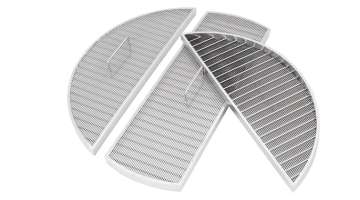
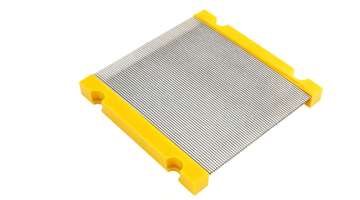
Self-Cleaning Screen For Gravel Separation
Gravel separation looks like a straightforward duty from a distance, but anyone who has run a deck on a real pit knows that the feed is never as clean as the spec sheet suggests, and the near-size stones and the damp fines are what decide whether the screen keeps working or starts carrying material over. A Self-Cleaning Wire Screen is built for that reality, using a wire geometry that keeps the openings active under vibration so the near-size gravel does not wedge and the fines do not mat, and the result is a deck that holds its cut through the shift rather than losing capacity as the apertures load up. The value shows up in the product streams, because a deck that stays open separates gravel at the size the plant intends and keeps the oversize and the fines where they belong. This article looks at what makes gravel separation difficult, how the wire geometry keeps the openings clear, what efficiency means on a gravel deck in practice, and how a plant should match the screen to its feed.
What Makes Gravel Separation Difficult
Gravel separation is difficult because a Self-Cleaning Wire Screen is asked to handle a feed that is never uniform, and the near-size stones are the ones that cause the trouble. A pit feed carries a proportion of stones that are close to the cut, and those are the particles that present themselves to an aperture and either pass cleanly or lodge, and the lodged ones are what start a blind patch. The feed also carries damp fines that coat the stones and fill the gaps, and in wet conditions those fines turn the deck into a matted surface that passes far less than its open area suggests. The shape of the gravel matters as well, since flaky and elongated stones orient themselves across an opening and bridge more readily than rounded ones. A gravel deck is a duty where the feed is variable and the near-size fraction is the enemy, and the screen has to be designed around that rather than around an ideal feed.
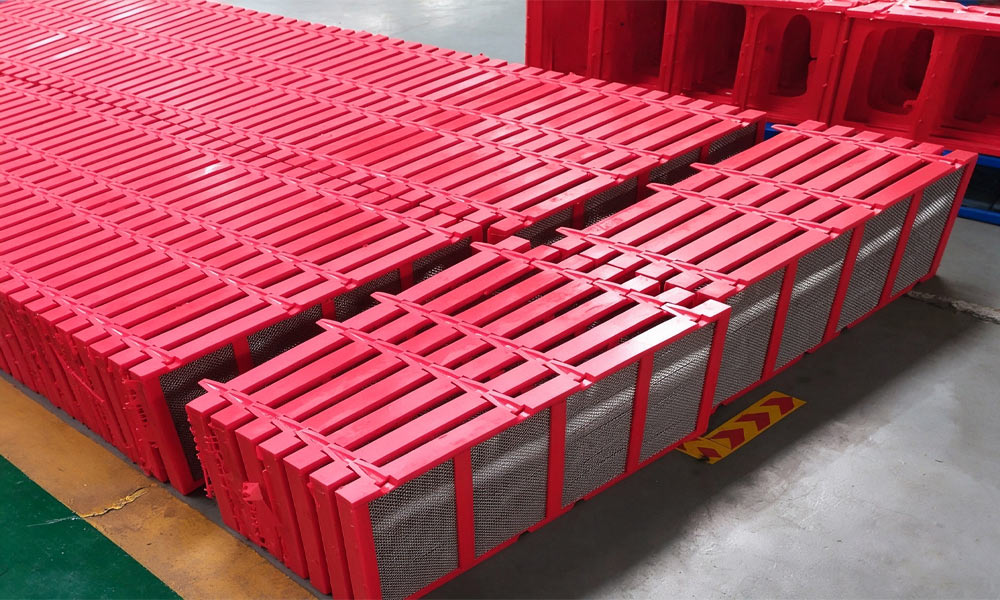
How The Wire Geometry Keeps Openings Clear
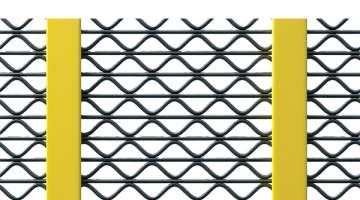
The wire geometry keeps openings clear because a Self-Cleaning Wire Screen is arranged so the wires move and the surface sheds rather than holds. The wires are tensioned so they respond to the deck's vibration by flexing, and that flexing works a lodged stone loose before it can settle, which is the mechanism that keeps the near-size fraction from building a blind patch. The surface is also shaped so the material does not travel in a flat settled layer, which reduces the time a stone spends sitting over an opening and gives it fewer chances to wedge. Because the openings stay active, the effective open area stays close to the design figure, and the deck keeps the capacity it was specified for rather than losing it as the shift goes on. The geometry is doing the work that a wash system or a manual clean would otherwise have to do.
What Efficiency Means On A Gravel Deck
Efficiency on a gravel deck means the Self-Cleaning Wire Screen puts each stone in the right stream, and that is measured by how sharp the cut stays through the run rather than by a single test result. A deck that is partly blinded has an effective aperture smaller than its nominal one, so stones that should have passed are carried over into the oversize, and the oversize stream grows while the product stream loses what it should have received. A deck that stays open holds its cut point, so the undersize reports to the fines and the oversize stays on the deck, and the downstream crusher or stockpile gets the material it was designed for. Efficiency also means the deck keeps its throughput, because a clear deck passes more material per hour than a blinded one at the same width. On a gravel circuit, efficiency is the ability to hold the cut and the capacity together through the shift.
Matching The Screen To The Feed
Matching the screen to the feed is what turns a Self-Cleaning Wire Screen specification into a deck that performs, because the right geometry for one pit is not automatically right for another. The proportion of near-size material sets how much the self-cleaning action is worth, since a feed with little material close to the cut gains less from the wire movement and may be served by a simpler panel. The moisture level sets whether blinding or wear is the dominant problem, and a wet pit calls for a geometry that sheds water and fines rather than one tuned purely for abrasion resistance. The shape of the gravel sets the aperture choice, since flaky stone needs a gap that accounts for the way it orients itself across an opening. Matching these three factors to the duty is what keeps the deck separating efficiently rather than merely running.
Gravel separation is a duty where the feed is variable and the near-size fraction decides whether the deck keeps working, and a self-cleaning wire screen answers that by keeping the openings active under vibration so the stones do not wedge and the fines do not mat. The wire geometry works lodged particles loose before they consolidate, the open area stays close to the design figure through the shift, and the cut point holds so the oversize and the fines report where the plant intends. The screen is not the answer for every pit, and a clean, free-draining feed may be served by a simpler panel, but where the gravel carries near-size stone and damp fines, the self-cleaning wire screen is often what keeps the deck efficient through the shift rather than fading as the apertures load up.