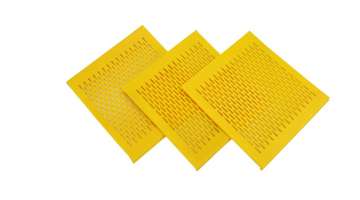
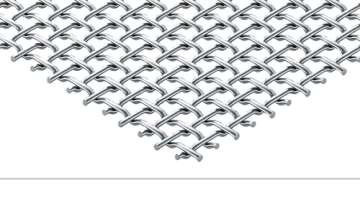
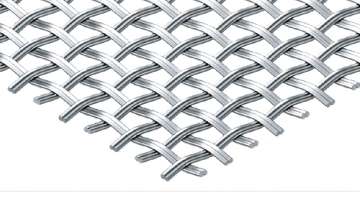
Self-Cleaning Mesh For Fine Mineral Screening
Fine mineral screening is a duty where the cut is tight, the open area is small, and every hour of service puts the mesh under load that a coarser deck would never see, so the mesh has to stay open and stay intact for a long time to be worth its place in the circuit. A Self-Cleaning Mesh is built for that combination, using a weave and a wire specification that resist blinding while holding the fine aperture the product requires, so the deck keeps separating at the cut it was designed for rather than drifting finer as the openings plug. The difficulty is that fine apertures and long life usually pull against each other, since a fine cut needs fine wire and fine wire wears and blinds more readily, and the self-cleaning design is what reconciles the two. This article looks at why fine mineral screening is so hard on mesh, how the self-cleaning weave keeps a fine aperture working, what gives the mesh its service life, and how a plant should judge the mesh against its duty.
Why Fine Mineral Screening Is Hard On Mesh
Fine mineral screening is hard on mesh because a Self-Cleaning Mesh at a fine cut has small openings and a high proportion of near-size material, which is exactly the condition that produces blinding. The aperture is small enough that a particle close to the cut can lodge in it, and the bed over a fine deck is usually thinner and more settled than over a coarse one, so there is less agitation to work a lodged particle loose. The wire is also finer at a fine cut, which means it has less section to absorb abrasion and it wears through sooner than a heavier wire would, and a worn wire changes the aperture and the product with it. Moisture makes all of this worse, because a damp fine feed turns the near-size fraction cohesive and the openings plug rather than pass. Fine screening is a duty where the mesh is asked to do a precise job under conditions that work against precision.
How The Self-Cleaning Weave Keeps A Fine Aperture Working
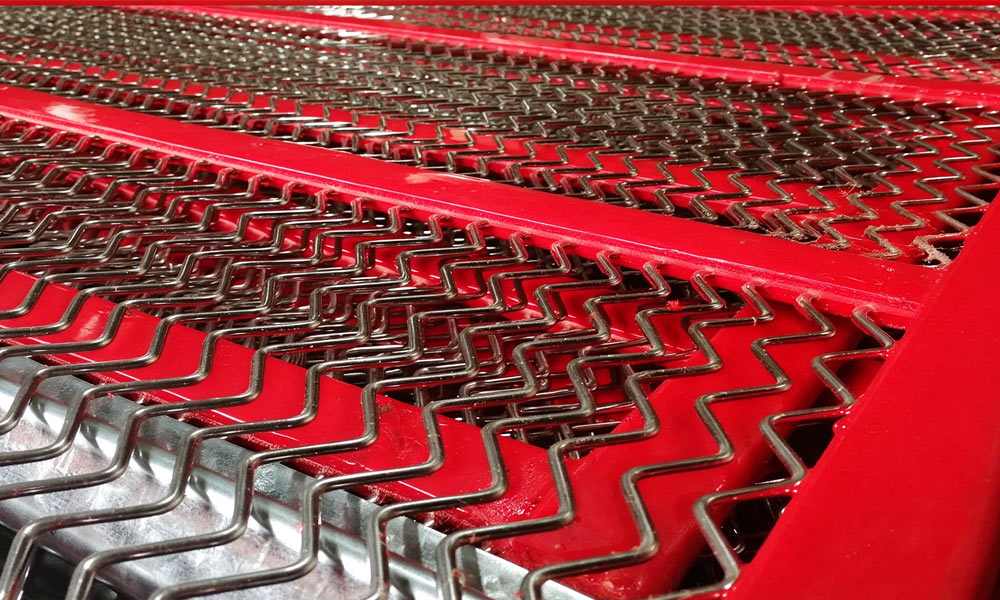
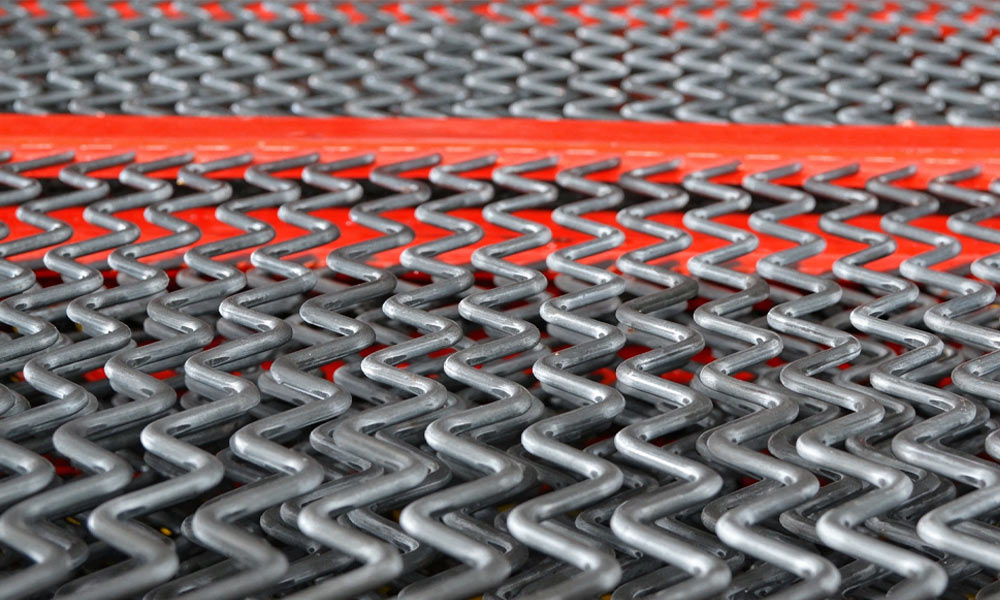
The self-cleaning weave keeps a fine aperture working because the Self-Cleaning Mesh geometry is arranged so the openings are not simple static holes that a particle can settle into. The weave is designed so that the wires move slightly relative to one another as the deck vibrates, and that relative movement disturbs a particle that has started to lodge before it can consolidate into a plug. The surface is also shaped so the material does not travel in a flat, settled layer, which reduces the time a near-size particle spends sitting over an opening and gives it fewer chances to wedge. Because the openings stay clear, the effective open area stays close to the design figure, and the cut point holds where it was set rather than drifting finer as the deck blinds. The weave is doing the work that a wash system or a frequent stoppage would otherwise have to do.
What Gives The Mesh Its Service Life
Service life comes from the wire specification and the way the Self-Cleaning Mesh is supported, because a fine mesh fails either by wearing through or by losing its tension and its geometry. The wire grade is chosen for abrasion resistance so the fine section lasts longer than a softer grade would manage at the same aperture, and the weave is arranged so the load is shared across the wires rather than concentrated on a few. The mesh also depends on its support, since a fine deck that is not held flat and tensioned evenly will flex and fret against its frame, and that fretting wears the wire at the contact points long before the screening surface itself is worn out. Keeping the tension correct and the support clean is what lets the wire grade deliver the life it was chosen for. A fine mesh that is well supported and correctly tensioned will outlast a heavier one that is allowed to work loose.
How A Plant Should Judge The Mesh Against Its Duty
A plant should judge the mesh against its duty rather than against a headline life figure, because the Self-Cleaning Mesh that suits one fine circuit may be the wrong choice for another. The abrasiveness of the mineral sets how much wire section is needed, and a highly abrasive feed will consume a fine mesh faster regardless of weave, so the life has to be judged against the replacement cost and the downtime rather than against the purchase price alone. The proportion of near-size material sets how much the self-cleaning action is worth, since a feed with little material close to the cut gains less from the weave and may be served by a simpler mesh. The moisture level sets whether blinding is the dominant problem or whether wear is, and the two call for different balances of openness and wire section. Judging the mesh against these three factors is what turns a specification into a deck that lasts.
Fine mineral screening asks a mesh to hold a tight cut under conditions that promote blinding and accelerate wear, and a self-cleaning mesh answers both by keeping the openings working and by holding its geometry through a long service life. The weave disturbs lodged particles before they consolidate, the wire grade resists the abrasion that a fine section would otherwise lose quickly, and the support and tension decide whether the wire gets the chance to deliver that life. The mesh is not a universal answer, and a plant with a coarse cut or a feed with little near-size material may be served better by a simpler specification, but where the cut is fine and the duty is long, the self-cleaning mesh is often what keeps the deck separating at the point it was designed for.