Self Cleaning Vibrating Screen for Quarry Aggregate Screening
As any experienced quarry will know, their profitability is severely eroded by two recurring problems. First, quarry material will blind the apertures in their screen decks, leading to significant reductions in tonnage processed. Second, there will be some degree of media wear at certain locations along the deck, requiring replacement of the whole screen. Self Cleaning Vibrating Screen addresses both concerns simultaneously. With an advanced self-cleaning mechanism designed to remove material blinding from the screen, coupled with a fully replaceable modular media system capable of withstanding the toughest abrasive quarry feeds, it provides the ideal solution for the demanding requirements of a contemporary quarry. Note that these machines are distinctly different from the lower throughput screens commonly used in lighter duty applications. They are capable of processing several thousand tonnes per day of coarse sharp aggregate such as granite, basalt, etc. In the following we discuss each of the key advantages offered by the Self Cleaning Vibrating Screen to reduce overall operating expenditure for a quarry: removing material blinding, reducing media spares requirement, shortening changeover times and increasing media versatility.
Removes Quarry Material Blinding via Dual-Motion Vibration
The primary benefit of using Self Cleaning Vibrating Screen is that quarry material is effectively prevented from blinding the screen deck. Unlike conventional vibrating screens which apply a fixed orbit or sinusoidal motion to the screen, the additional micro-vibration applied here acts upon each individual aperture in the screen. As quarry material begins to accumulate within any given aperture, this high frequency micro-vibration dislodges it and causes the material to drop free. It therefore prevents the formation of any sizeable build-up of near-sized material. Furthermore, even long thin shale flakes which are known to readily cause screens to blind are unable to settle on top of one another and create a 'blanket' over the screen face due to the ongoing micro-vibration. Consequently, many quarries experience a >70% fall in the proportion of unscheduled shutdown time attributable to material blinding once they fit this type of machine, without adding any additional wash-down facilities.
Drastically Reduces Cost of Screen Media Spares
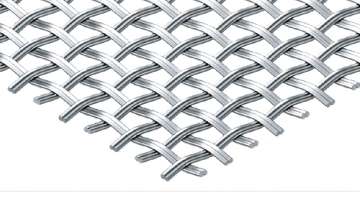
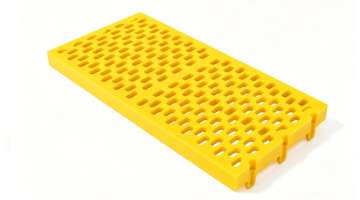
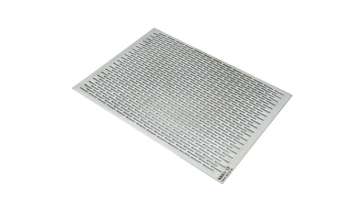
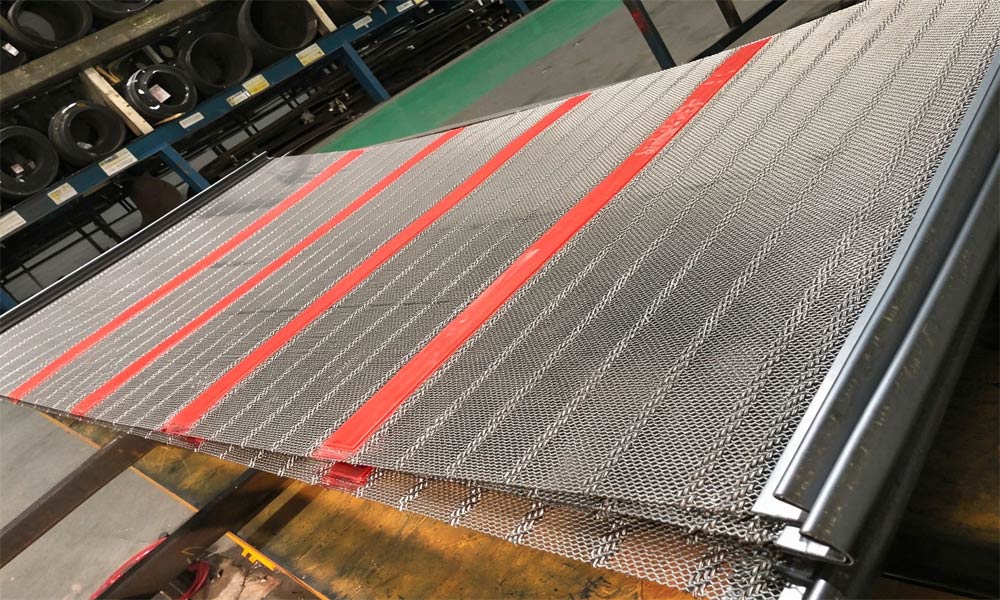
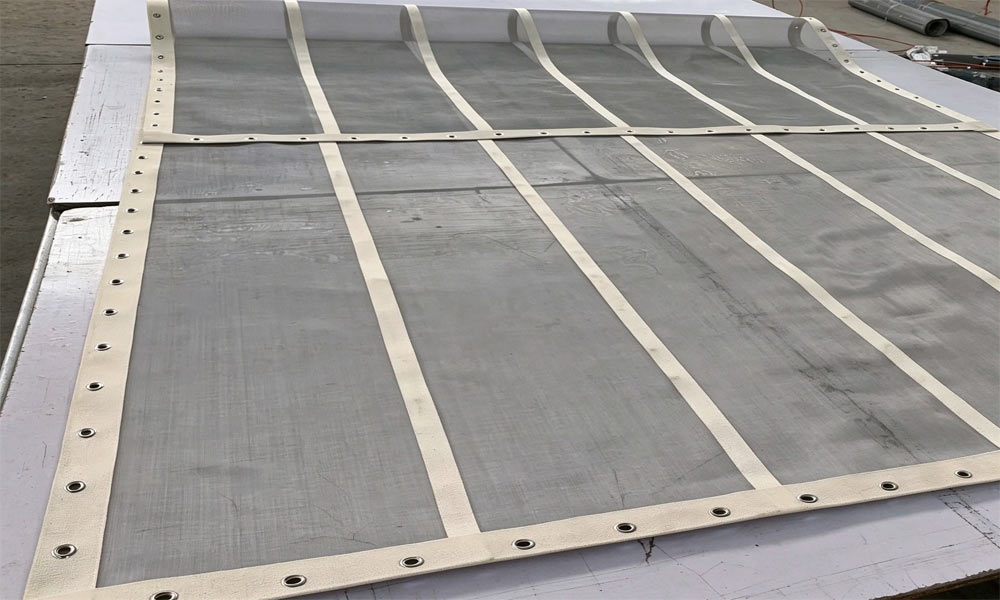
Since the screen deck of Self Cleaning Vibrating Screen comprises a large number of discrete individual media panels, there is no requirement to purchase full-size complete screen decks as spares. In practice, if the leading edge of the screen experiences accelerated wear from the incoming blasted rock, then typically only the first handful of media panels will need replacing. Not only does this lead to substantially lower annual expenditure on media spares, but also frees up considerable levels of cash which would otherwise be committed to holding full-sized screen decks as stock at the quarry site. Indeed, the user may wish to populate the screen deck with differing media profiles depending on the expected level of wear in various areas; e.g. thicker high load-bearing PU media at the inlet, transitioning to thinner higher resolution punched media towards the outlet. This allows them to maximize the lifespan of the overall screen.
Shortens Time Taken to Change Media Panels
The media on Self Cleaning Vibrating Screen is secured to the screen frame using a straightforward strengthened clip-and-lock arrangement. No additional equipment such as spring-tensioners or welding is needed to install or remove the media. It is therefore possible for 2 operatives to effect a complete change of media across a screen deck in less than 1.5 hours, whereas a similar operation on a standard heavy-duty woven steel screen could require 3 operatives and around 4 hours. Given the pressure placed on most large-scale quarries to maximize their available operating time to fulfill contracts associated with major works programs, this represents a very material increase in the quantity of sorted product generated each day. Smaller operations running 1 shift per day will similarly benefit from gaining many additional hours of screening capacity annually.
Allows Easy Response to Changes in Quarry Input
Finally, the wide variety of compatible media available for use with Self Cleaning Vibrating Screen enables the operator to respond rapidly to any variation in the characteristics of the quarry feed or desired output. Should the quarry start to process material from a different seam with a high clay content, they can install suitable high-resilience PU media to minimize the risk of blinding within a matter of hours. Alternatively, if a major off-take arises for highly specified fines, the screen can be fitted with precision punched media to increase the resolving power of the screen, prior to reverting to normal media once the requirement has been met. In either case, this obviates the need to order and await supply of bespoke new screen decks.
In summary, a quarry can achieve increased plant output and reduced media costs using a single piece of equipment incorporating the features of the Self Cleaning Vibrating Screen with replaceable media. These include: dual-motion action to minimize blinding of the screen deck, (ii) reduced need to source full-size spares, reduced duration of media changes and ability to vary the profile of media fitted to suit varying needs. Of course, if the application involves very coarse primary screening of boulder-size blasted material, then a heavy grizzly remains the suitable option. However, for the vast majority of subsequent screening stages, the machine described above offers clear economic benefits compared to conventional alternatives.