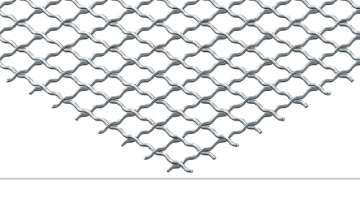
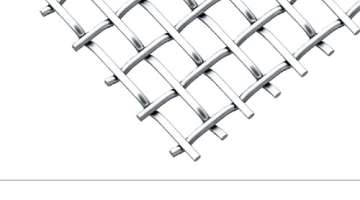
Self Cleaning Screen: Even Load Distribution Extends Panel Service Life
Most plants do not realise that screen mesh does not fail from abrasion alone, it fails far more often from the uneven loading, fretting, and repeated over-stressing that happens when half the deck is blinded and all the material is forced to run across a tiny handful of still-open apertures. Self Cleaning Screen Mesh breaks this vicious cycle completely, because it keeps nearly the full surface of the deck active at all times, and that even distribution of load is the single biggest factor that extends the total service life of the panel far beyond what a conventional static mesh can deliver. The life extension is not a marketing claim, it is a direct mechanical outcome that shows up in every plant that runs the mesh through a full campaign. This article looks at how blinding destroys conventional mesh life, how self-cleaning geometry evens out deck loading, how reduced fretting and stress cuts premature failure, and how plant teams can adjust their setup to maximise the full life benefit.
How Blinding Destroys Conventional Mesh Life
Blinding destroys conventional mesh life because a Self Cleaning Screen Mesh design solves a problem that no amount of heavy wire gauge can fix. When a standard static deck starts to blind, the sealed apertures cannot pass material, so all the feed gets diverted onto the small remaining strip of still-open mesh near the feed end. This creates a tiny, overloaded zone that carries 3 or 4 times the tonnage it was ever designed for, and the concentrated abrasion wears that section of wire through in a fraction of the expected service life. The blinded section also stops flexing under vibration, so the full dynamic load of the deck gets concentrated at the boundary between the active and blinded zones, creating a stress riser that makes the wire fatigue and snap long before it wears thin. Most conventional mesh panels are not replaced because the whole surface is worn out, they are replaced because one small overloaded section has failed prematurely.
How Self-Cleaning Geometry Evens Out Deck Loading
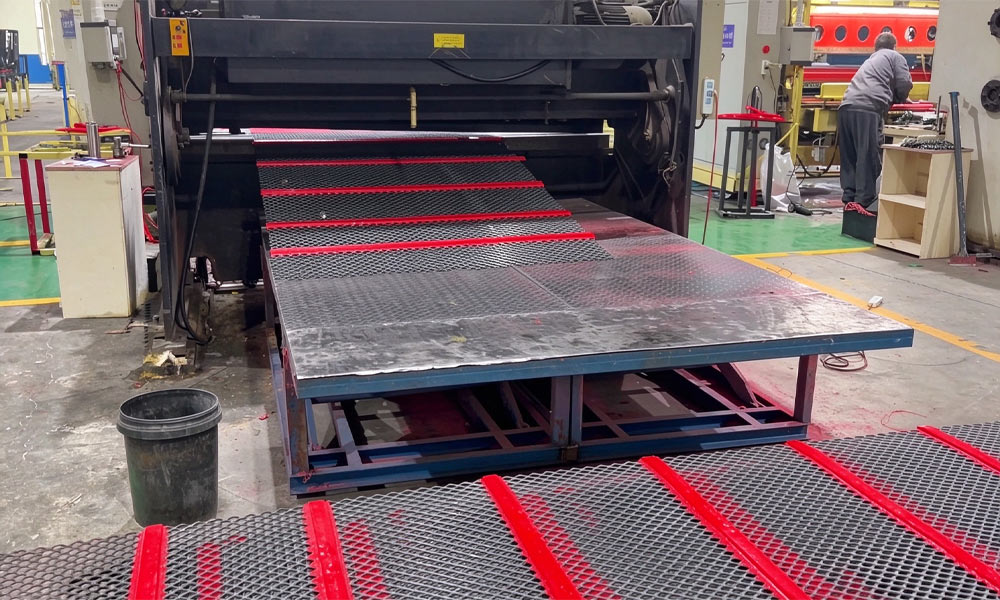
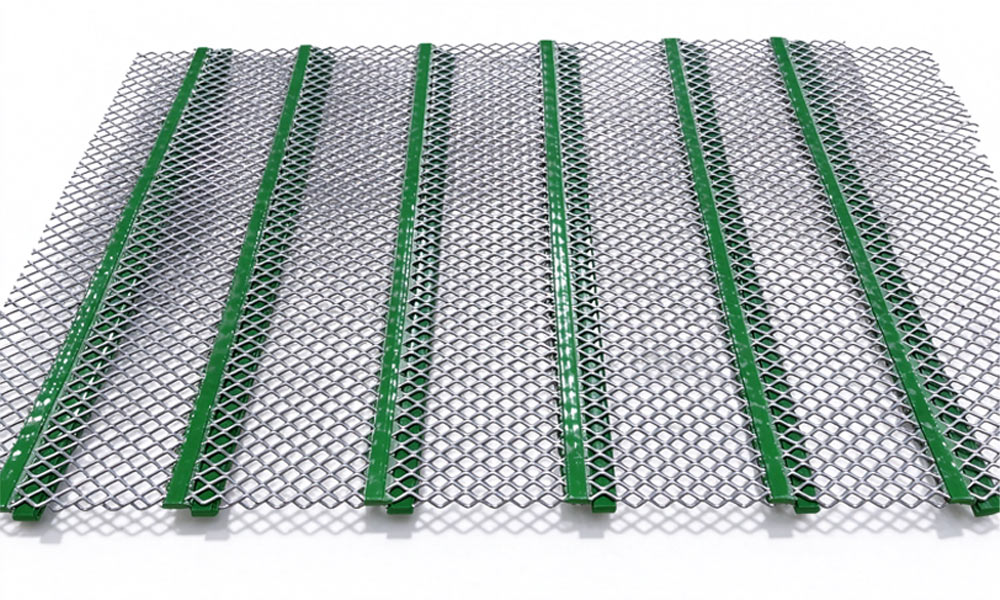
Self-cleaning geometry evens out deck loading because a Self Cleaning Screen Mesh panel keeps every aperture working from the feed end all the way to the discharge end, so there are no dead blinded zones that force all the material onto a small overloaded strip. The anti-blocking design stops particles from lodging and building up permanent sealed patches, so the entire width and length of the deck shares the feed load evenly, and no single section of wire has to carry more than its fair share of tonnage. This even distribution means no part of the mesh sees the extreme concentrated abrasion that would wear through a standard panel in weeks, and the whole surface wears at a slow, uniform rate that follows the natural abrasion resistance of the wire grade. The plant no longer sees the pattern of premature local failure that forces partial deck replacements and unexpected mid-campaign panel swaps.
Reduced Fretting And Stress Cuts Premature Failure
Reduced fretting and stress cuts premature failure because a Self Cleaning Screen Mesh panel that stays evenly loaded does not develop the localized movement and contact wear that breaks conventional panels long before their time. When a section of standard mesh blinds, the dead unloaded part of the panel stops moving in sync with the rest of the deck, so it starts to fret against the support bars and the tension rails, and that constant rubbing wears a deep notch in the wire at the contact point. Even a heavy gauge wire will snap at that notch under the repeated vibration load, and the failure happens with no warning and no visible sign of wear on the main screening surface. Because the self-cleaning mesh never develops large dead blinded zones, the entire panel maintains even tension and moves uniformly with the deck, so there is no uneven fretting, no hidden notches, and no unexpected fatigue failures that shut down the screening circuit.
Tuning Deck Setup To Maximise Full Life Benefit
Tuning deck setup to maximise full life benefit is the final step, because a Self Cleaning Screen Mesh will only deliver its maximum possible service life if the plant sets the deck up correctly to support its anti-blocking behaviour. The tension has to be adjusted evenly across the full width of the panel, because uneven tension will create local slack spots where blinding can start even on a well-designed mesh, and those slack spots will become the first zones to wear and fatigue. The support bar spacing should be set to match the wire section of the mesh, so there are no long unsupported spans that create extra flex and extra stress on the wires. Operators also need to set the stroke and angle of the vibrating screen to match the feed characteristics, not just copy the settings they used for the old conventional mesh, because a well-tuned vibration profile will amplify the self-cleaning action and make the load distribution even more uniform across the full deck.
The service life of vibrating screen mesh is never decided by wire grade alone, it is decided by how evenly the load is distributed across the deck, and self cleaning screen mesh eliminates the blinding that creates the overloaded zones, fretting points, and stress risers that kill conventional panels prematurely. By keeping every aperture active, spreading the tonnage evenly across the full surface, and eliminating the dead blinded zones that cause hidden fretting and fatigue, the mesh can extend panel service life by 30% or more in most real-world processing plants. This life extension is not a trick of material science, it is just the simple mechanical result of letting every part of the screen do the work it was designed to do, instead of forcing a tiny fraction of the deck to carry the entire load.