Wire Ripple Anti-Clogging Screens For Coal Processing
Coal processing plants spend a surprising amount of their operational time working around the limitations of conventional screening media, because damp fine coal and near-size particles will always find a way to seal a flat wire deck and drag down both capacity and product quality. Wire Ripple Anti-Clogging Screens were developed specifically to address this exact pain point, and their advantages go far beyond simply resisting blinding, touching on everything from consistent cut point performance to longer panel life and lower water consumption. These benefits do not show up on a generic specification sheet, but they become very tangible once a plant runs the screens through a full production campaign. This article breaks down the core advantages that make this design stand out in coal processing, starting with its ability to maintain open area, moving on to its steady classification, its impact on plant uptime, and the operational flexibility it brings to variable coal feeds.
Sustained Open Area Even Under Sticky Damp Conditions
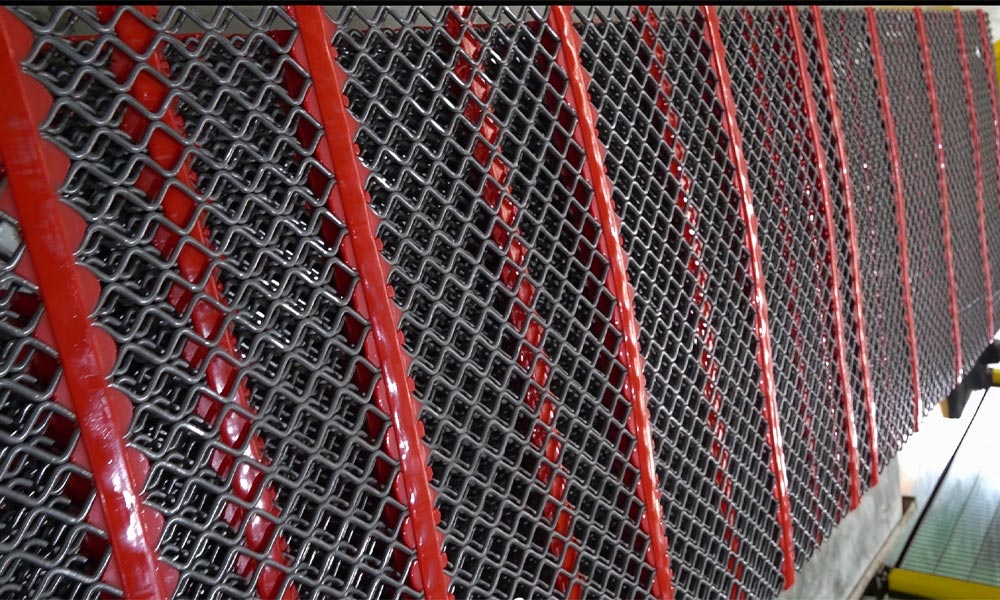
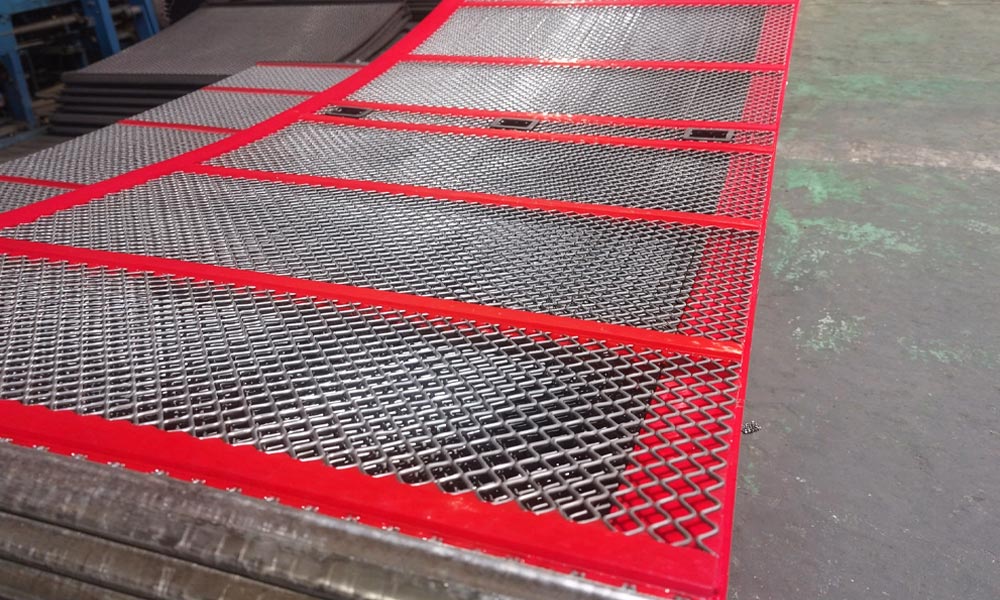
The first and most immediate advantage of Wire Ripple Anti-Clogging Screens is their ability to hold nearly full open area even when the feed turns damp and sticky, the exact condition that would turn a conventional flat deck almost completely blind. The corrugated wire profile creates constant gentle agitation across the entire screening surface, so near-size coal particles can never settle into a stable lodged position, and damp fine coal cannot consolidate into a continuous mat that seals the apertures. Unlike a flat screen where the effective open area can drop by 40% or more within the first two hours of processing a high-moisture seam, the ripple design keeps 90% or more of its nominal open area active right through the shift. This means the deck never loses the throughput it was specified for, and the plant does not have to run extra hours or push downstream crushers beyond their design limits just to hit the daily tonnage target.
Consistent Cut Point That Does Not Drift Through The Shift
A second major advantage of Wire Ripple Anti-Clogging Screens is that they maintain a stable, predictable cut point that does not drift finer as the deck loads up with blinding material. On a conventional screen, as apertures seal shut, the remaining open gaps effectively shrink in size, so far more fine coal than intended gets carried over into the oversize stream, and the plant ends up losing usable product to the reject pile or sending unwanted fines to the crushing circuit. The ripple design eliminates this drift, because the apertures never close down, so the separation line stays exactly where the process engineers set it. This consistency makes downstream operations far more predictable, since the dense medium cyclones, dewatering units, and crushers all receive a feed that matches their design specification, rather than a constantly shifting material stream that forces operators to make endless manual adjustments to keep the plant running.
Reduced Stoppages And Lower Maintenance Over Time
The third distinct advantage of Wire Ripple Anti-Clogging Screens is the way they cut down on unplanned stoppages and routine maintenance work across the screening circuit. Conventional flat decks often need to be stopped every two to three shifts for manual washing, brushing, or even panel replacement to clear built-up blinding, and every one of those stoppages cuts directly into the plant's available production time. The ripple design eliminates almost all of that mid-shift cleaning work, because the self-agitating surface sheds lodged material continuously while the deck is running. The panels also wear more evenly, since there are no permanently blinded zones that force extra load and extra abrasion onto the remaining small section of active screen, so the full deck wears at a uniform slow rate and the panel service life can be extended by 20% or more compared to a conventional flat wire deck.
Better Tolerance For Variable Mine Feed Conditions
The fourth and often underrated advantage of Wire Ripple Anti-Clogging Screens is their far higher tolerance for the variable feed conditions that are a normal part of coal mining. No two seams in a mine are identical, and the moisture content, fines proportion, and near-size fraction can shift dramatically over the course of a week as the longwall advances to a new section. A conventional screen that was perfectly tuned for one seam can completely fail when the feed changes, forcing operators to reduce tonnage or flood the deck with excess wash water just to keep it working. The ripple design does not need that level of careful tuning, because its anti-clogging geometry can absorb moderate shifts in moisture and fines content without losing performance. This gives the plant far more operational flexibility, so it can process different seams in sequence without having to stop and reconfigure the entire screening circuit every time the feed properties change.
The advantages of wire ripple anti-clogging screens in coal processing go far beyond a simple reduction in blinding, touching on every part of the plant's performance from throughput to product quality to uptime. They hold their full open area even on damp sticky coal, keep the cut point stable and predictable through the entire shift, cut down on unplanned stoppages and uneven wear, and tolerate the natural variation in mine feed that would cripple a conventional flat deck. This design is not a universal replacement for every type of screening media, and very dry, low-fines coal can run perfectly well on a simpler flat wire panel, but for any coal processing plant that regularly fights blinding, lost yield, and variable feed conditions, these screens deliver tangible, measurable operational gains that add up very quickly over a full production campaign.