Installation of Self Cleaning Harp Screens
Getting a harp screen to perform as intended comes down to two decisions that are made before the deck ever runs, and those are how the panel is installed and what aperture it is built with. A Self Cleaning Harp Screens panel is a set of parallel wires held under tension in a frame, and its separation depends on the wires staying evenly spaced and vibrating freely, which means the installation has to preserve the geometry and the aperture has to match the cut the process actually needs. Neither decision can be corrected later by adjusting the machine, because a poorly seated panel will not tension evenly and a wrongly sized aperture will not produce the product the plant expects. This guide walks through the installation points that matter most, the way the harp geometry behaves once it is running, how to select an aperture against the duty, and the checks worth making before the deck goes into service.
Installation Points That Decide Performance
Installation decides performance because a Self Cleaning Harp Screens panel only self-cleans when its wires are held at the tension the design assumes, and that tension is set by how the panel sits in the frame. The panel should be seated on clean, flat support surfaces, since any high point under the frame concentrates the clamping load and leaves the wires unevenly tensioned across the width. The wires should be handled by the frame rather than by the individual strands, because bending a single wire puts a kink in it that will never tension out and will leave a permanent gap in the spacing. Clamping should be brought up gradually and in a balanced sequence so the frame settles evenly, and the final torque should follow the maker's figure rather than a general rule, since over-tightening crushes the mounting edge and under-tightening lets the panel move. A panel that is seated and tensioned correctly will ring evenly when the deck starts, and that even ring is the first sign the installation was right.
How The Harp Geometry Behaves Under Vibration
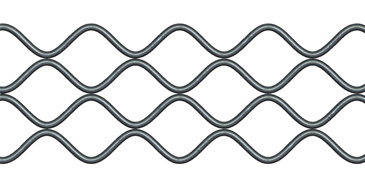
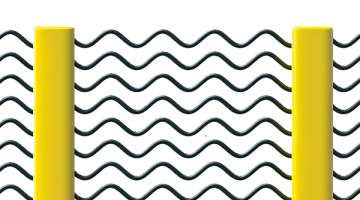
The harp geometry behaves in a particular way under vibration, and understanding it is what makes a Self Cleaning Harp Screens panel predictable rather than mysterious. The parallel wires are tensioned between two rails, and when the deck vibrates the wires respond by flexing along their length, which is what sheds the near-size particles that would otherwise wedge between them. Because the wires are separate rather than woven, each one moves independently, so a particle caught in one gap is worked loose by that wire's own motion rather than waiting for the whole deck to shake it out. The open area is high for the same reason, since the gaps between round wires leave more free space than a woven mesh of comparable cut, and that open area is what gives the panel its capacity. The geometry also means the aperture is defined by the gap between adjacent wires, so anything that changes the spacing changes the cut, which is why the installation has to protect the spacing so carefully.
Selecting An Aperture Against The Duty
Selecting an aperture means matching the gap to the separation the process needs while respecting what the Self Cleaning Harp Screens geometry can hold under load. The starting point is the cut point the downstream process requires, and the aperture is chosen close to that figure rather than generously above it, because an oversized gap passes material that should have been retained and shifts the burden onto the next stage. The shape of the feed matters as well, since a flaky or elongated material presents itself to a slot differently than a rounded one, and a gap that suits one feed may pass more or less than expected with another. The duty also sets a limit on how fine the gap can go, because a very fine aperture needs finer wires and closer spacing, and those are more sensitive to tension and to wear. The aperture should be chosen for the duty the plant actually runs rather than for a test result, and it is worth confirming the choice against the product specification before the panels are ordered.
Checks Worth Making Before The Deck Runs
Checks before the deck runs are worth making because a Self Cleaning Harp Screens panel that is slightly out of adjustment will show it in the product rather than in an obvious fault. The wire spacing should be checked across the full width, since a panel that has been handled roughly can carry a local distortion that is easy to miss and will show up as a streak of oversize in the product. The tension should be confirmed by the sound the panel makes when the deck is started, since an even ring across the width indicates even tension and a dull or uneven note points to a seating problem. The panel should be run empty for a short period to confirm the wires are moving freely and nothing is rubbing on the frame, and the first material should be watched at the discharge to see whether the cut matches expectation. These checks take little time and they catch the small errors that would otherwise be diagnosed as a specification problem.
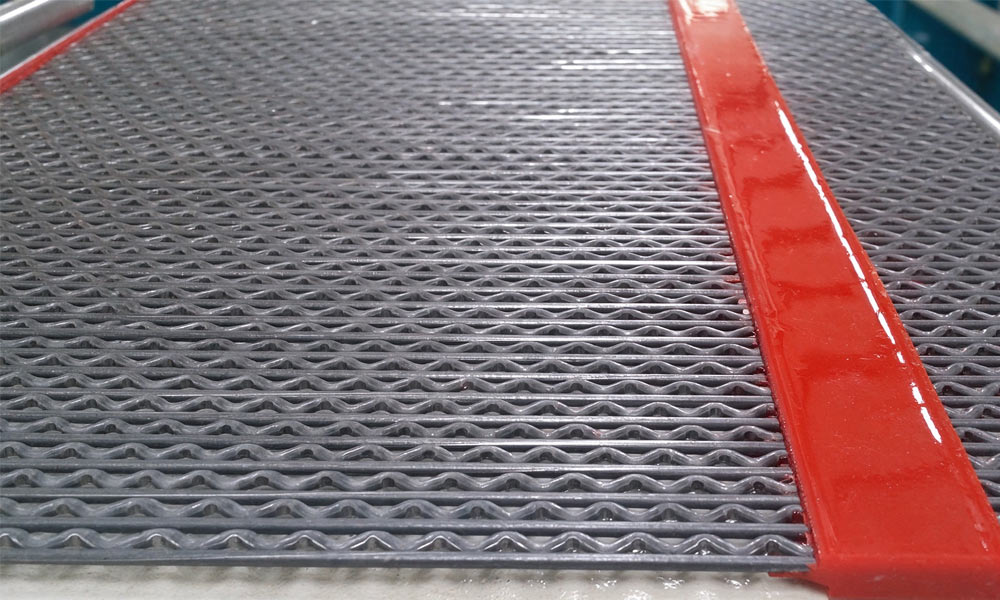
Installation and aperture selection are the two decisions that determine whether a harp screen delivers its separation, and both are settled before the deck runs rather than adjusted afterwards. A panel seated on flat supports, handled by its frame, and tensioned to the maker's figure will keep its wire spacing and self-clean as designed, while an aperture chosen against the actual cut point and the actual feed will produce the product the plant expects. The checks before start-up are the last chance to catch a distortion or a seating fault, and they are cheap compared with the cost of diagnosing a product problem later. A harp screen is a precise piece of equipment, and treating the installation and the aperture with the same care as the rest of the circuit is what makes it perform.