Industrial Screening Media: Types, Material Properties and On-Site Selection Guide
If you’ve ever stood in a processing plant maintenance yard staring at a pile of half-worn, prematurely failed screen panels that were supposed to last 8 weeks but only made it 10 days, you know exactly how much a poorly informed media choice can blow your whole monthly consumable budget, waste hours of unplanned overtime labor and drag your whole circuit’s throughput far below target. I’ve spent years talking to plant supervisors across mines, quarries and recycling facilities across northern China, and nearly all of them shared that they used to pick panels based only on the lowest sticker price, until they ran a full annual cost audit and realized those cheap bad choices were costing them 3 times more than the small premium for properly matched, purpose-built panels. This practical, field-tested guide breaks down the core types, key material properties and no-fluff selection tips for industrial Screening Media, no empty marketing buzzwords, just insights pulled straight from hundreds of real on-site operational logs.
Woven Wire Mesh Delivers Maximum Open Area for High-Throughput Coarse Sizing
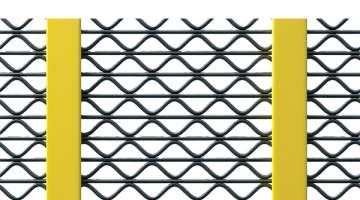
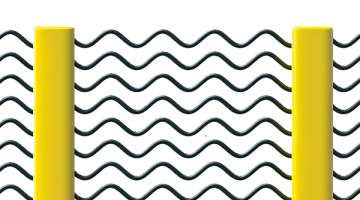
The most widely used and versatile type of industrial Screening Media across almost all aggregate, mining and mineral processing operations is high-tensile alloy woven wire mesh, engineered specifically to deliver the highest possible open area for maximum hourly throughput on coarse and medium sizing decks. Constructed from interlaced high-hardness alloy wires locked in place with a full inter-crimp weave, it delivers 50% to 65% open area, far higher than any other rigid heavy-duty screen media type, letting far more undersize material pass through the deck every hour without restricting flow. It comes in a huge range of aperture sizes from 100mm down to 0.5mm, making it flexible enough to handle everything from primary aggregate scalping to medium fine sizing in coal preparation plants. Processing operations that picked the correct manganese-chromium alloy woven wire mesh matched to their feed properties found that their average panel service life hit 6 to 8 weeks, while their total hourly throughput stayed 15% to 20% higher than what they could ever get from lower-open-area alternative media types.
Modular Polyurethane Panels Excel at Anti-Blinding and Long Fine-Sizing Wear Life
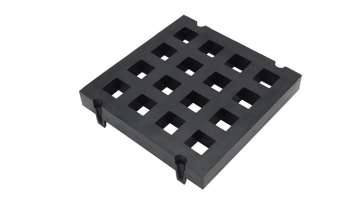
The second extremely popular, high-performance type of industrial Screening Media that dominates most fine sizing and high-abrasion processing circuits is precision cast modular polyurethane panels, the go-to choice for operations that prioritize long wear life and minimal blinding over absolute maximum open area. Cast from specially formulated, hardness-tuned polyurethane compounds with pre-machined consistent apertures, these panels deliver 2 to 4 times longer total service life than standard woven wire when processing damp, sticky, high-abrasion fine material like silica sand, fine coal or mineral tailings. Their naturally slightly flexible surface vibrates at a different harmonic than the main screen frame, which stops near-size fine particles from wedging into apertures and causing blinding, eliminating almost all mid-shift cleaning stops that waste hours of production time. Most mineral processing and coal preparation plants that switched to these polyurethane panels for their fine sizing decks found that their total annual panel replacement labor costs dropped by more than 60%, and their blinding-related unplanned downtime was almost completely eliminated.
Perforated Steel Plate Handles Extreme Heavy Impact for Primary Scalping
The third heavy-duty, extreme-duty type of industrial Screening Media built for the harshest possible primary scalping conditions is thick quenched perforated steel plate, designed specifically to survive massive, unpredictable heavy impact that would instantly tear apart woven wire or polyurethane panels. Laser cut from 6mm to 20mm thick high-hardness quenched steel plate, every aperture is precision machined to exact uniform dimensions, with no loose wires, weak points or flexible sections that can deform or puncture when 300mm+ raw run-of-mine ore chunks fall directly onto the deck from the primary crusher discharge. It has the lowest open area of all common media types, usually sitting between 30% and 40%, but that tradeoff is completely worth it for primary scalping decks where absolute impact resistance is the non-negotiable top priority. Large iron ore and granite quarries that use this perforated plate media for their primary scalping decks reported that their average panel service life stretched to 6 to 12 months, eliminating the constant weekly panel replacement work that used to waste dozens of hours of maintenance labor every month.
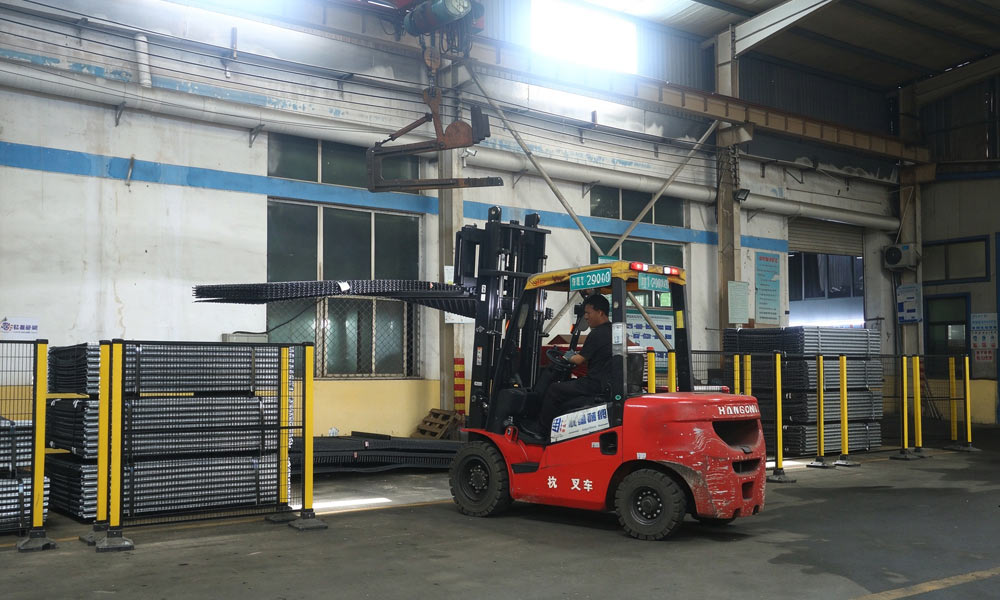
Practical Field-Tested Selection Tips to Cut Total Operating Costs
The final set of actionable, no-fluff selection tips that most generic buying guides skip over are simple field-learned rules that will help you pick the exact right Screening Media for your specific operation, no overspending, no premature failures. First, always match your material hardness directly to your feed abrasiveness, never buy over-engineered heavy-duty plate media for fine sizing decks processing soft limestone, you will waste far more money than you will ever save on wear life. Second, prioritize higher open area for high-throughput coarse sizing decks, and prioritize anti-blinding performance for fine wet sizing decks, don’t force one media type to perform a job it was never designed for. Third, always factor in total annual cost including downtime and labor, not just the initial sticker price of the panels themselves, that’s the only way to see which option actually delivers the best long term value. Operations that followed these simple tips found that their total annual screen media related operating costs dropped by more than 40%, with no drop in overall circuit performance or final product quality.
By understanding these core media types, their unique material strengths and applying these practical field-tested selection tips, you can pick the perfect industrial Screening Media that exactly matches your specific feed properties, throughput targets and operating budget, drastically cutting your total annual consumable and downtime costs while keeping your processing circuit running at peak efficiency.