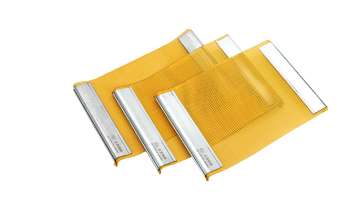
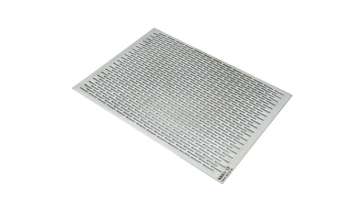
Heavy-Duty Screen Panels: Built for Primary Scalping and 24/7 Mining Operation
If you’ve ever pulled a completely torn-apart panel off your primary vibrating scalping deck after only 4 days of operation, right when you’re running 24/7 to hit a non-negotiable monthly production target and every single ton of finished material counts toward your customer delivery commitments, you know exactly how much a cheap flimsy panel can derail your whole carefully planned schedule, burn through unplanned overtime labor and blow your full monthly consumable budget before the month even hits its halfway point. After years of chatting with maintenance supervisors across quarries, mines, coal washing plants and recycling yards in northern China, nearly every single one shared that they used to buy the cheapest possible generic panels to save a few bucks upfront, until they ran their full annual cost audit and realized those constant premature replacements, lost production revenue and overtime costs added up to three times more than the tiny initial savings. This no-fluff field-tested guide breaks down exactly what makes properly engineered heavy-duty Screen Panels deliver years of reliable performance on vibrating screening equipment, no empty marketing buzzwords, just insights pulled straight from hundreds of real on-site operational logs.
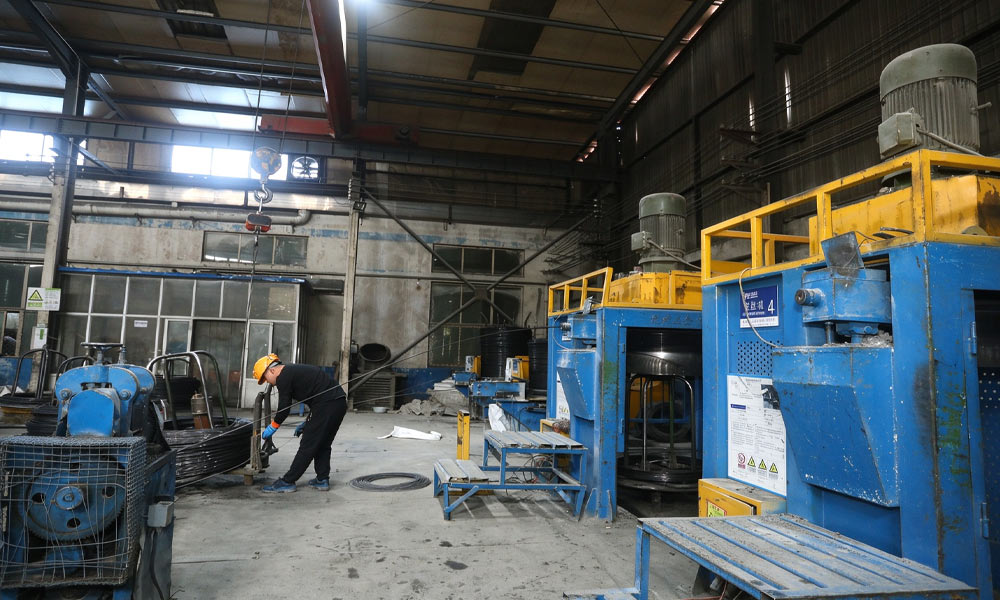
High Tensile Alloy Base Resists Permanent Deformation Under Heavy Impact
The first non-negotiable foundational trait of a quality heavy-duty Screen Panels is its custom-calibrated high tensile alloy wire base, formulated specifically to absorb massive sudden impact from large coarse rock chunks, raw run-of-mine ore and heavy construction debris without permanently denting, stretching or warping out of shape. Cheap generic low-tensile mild steel panels will permanently sag and deform the second a 200mm+ heavy rock chunk falls directly onto the deck from the crusher discharge, creating uneven sagging sections that ruin material travel speed, break separation efficiency and make near-size particles wedge into distorted apertures. Proper heavy-duty panels use manganese-chromium blended alloy wire paired with a multi-stage low-temperature tempering process that pushes tensile strength past 1700 Mpa, so even the heaviest impacts only make the wire flex temporarily, before it springs back perfectly to its original flat shape. Aggregate quarries that upgraded to these heavy-duty alloy panels for their primary scalping decks reported that their average panel service life jumped from 10 days to over 6 weeks, with zero permanent sagging or deformation even after processing thousands of tons of sharp high-silica rock.
Reinforced Edge Construction Eliminates Tear-Out at Mounting Points
The second critical design upgrade that separates heavy-duty Screen Panels from cheap generic alternatives is their full reinforced edge construction, a rugged feature that completely eliminates the most common premature failure point where the panel tears loose right at the hook or bolt mounting points under constant high-vibration heavy load. Cheap panels use thin bent sheet metal edges that crack, bend and tear after just a few days of continuous high-frequency vibration, making the whole panel rip completely free from the deck mid-operation, causing dangerous unexpected failures that shut down the whole line for hours. Heavy-duty panels use thick steel plates fully welded to every edge, with reinforced folded sections that distribute all tension and mounting load evenly across the full edge, so no single point takes all the stress and cracks under pressure. Iron ore mines that switched to these fully reinforced edge panels found that mounting point tear-out failures dropped by more than 90%, with zero unexpected mid-shift panel failures even when running at 110% of maximum rated throughput.
Precision Inter-Crimp Weave Cuts Down Uneven Localized Wear
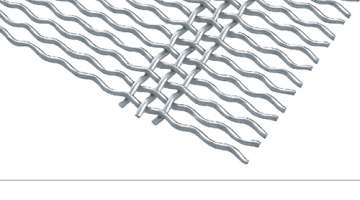
Here’s something people miss: the precision locked inter-crimp weave structure. It’s simple, but honestly, it makes a huge difference for how long heavy-duty screen panels last. This design works by keeping abrasive contact to a minimum and stops those annoying spots where wear happens way too fast and randomly, leaving weak patches across the panel.If you just go with a loose plain weave, you’re asking for trouble. Wire sits exposed at sharp angles, so every gritty particle drags across two wires, grinding down those intersections fast—much faster than the rest. End result? You get worn-out, thin spots that fail way before the rest of the panel. The inter-crimp weave fixes that. It locks every wire solidly, creating a smooth, rounded surface up top. Instead of digging in, sharp particles glide right over, cutting abrasive contact time by about a third.You can see this in action at coal washing plants that switched to this optimized weave—localized wear drops by more than half. The whole panel wears slowly and evenly, so you’re not suddenly dealing with blown-out weak spots. It’s just better all around.
Application-Matched Aperture Profile Prevents Blinding and Wedging
The fourth high-impact practical design detail that most generic panel manufacturers completely ignore is an application-matched custom aperture profile, a tailored shape that heavy-duty Screen Panels use to stop fine damp particles from wedging tight in openings and blinding the deck, a common issue that ruins screening efficiency and speeds up edge wear drastically. Generic square apertures work fine for completely dry coarse aggregate, but they clog up almost immediately when processing damp fine coal, sticky mineral slurry or wet recycled construction fines, making every single shift require 20 minutes of downtime to dig out wedged material. Purpose-built heavy-duty panels use slotted or tapered apertures matched exactly to your material properties, letting fine damp particles slip through easily instead of getting wedged tight, so the deck stays clean and open for far longer. Recycling facilities that switched to these custom aperture panels found that blinding-related downtime dropped by more than 70%, and aperture edge wear fell by over half, extending total panel service life by nearly 40%.
By investing in properly engineered heavy-duty Screen Panels built with high tensile alloy, reinforced edges, precision inter-crimp weave and application-matched aperture profiles, you can drastically cut your total annual screen maintenance costs, eliminate almost all unplanned downtime, and keep your vibrating screening equipment running reliably at peak throughput for far longer than cheap generic panels.