Screen Mesh: Key Factors for Superior Abrasion Resistance
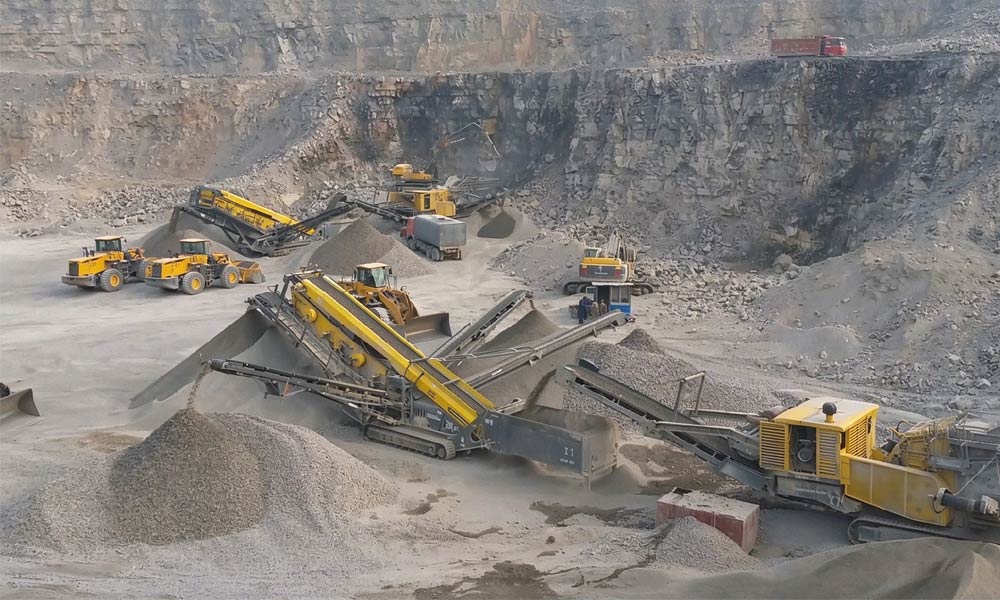
If you’ve ever yanked a completely scoured-through, thin-as-paper screen panel off your vibrating sizing deck after just nine days of nonstop operation — smack in the middle of a peak busy production stretch where every single ton of finished material counts toward your monthly revenue targets — you know exactly how fast lousy abrasion resistance can completely wreck your whole carefully planned week. It’s hours of unexpected overtime maintenance labor, missed tonnage targets and lost downstream delivery revenue, all thrown right out the window for no good reason. I’ve spent years hanging out and chatting with grizzled maintenance supervisors running aggregate quarries, iron ore mines, and coal preparation plants across northern China, and nearly all of them admitted that they used to treat screen mesh as some trivial throwaway low-priority expense to be minimized at all costs — until their full annual cost audits showed how those constant unplanned replacements actually cost them three times more than just paying a little extra upfront for heavy-duty, properly engineered abrasion-resistant mesh. This practical no-fluff guide’s got real actionable details about what actually makes a high-quality Screen Mesh last through harsh real-world operating conditions — pulled straight from hundreds of on-site field performance logs, not some generic fluffy marketing pitch full of empty buzzwords.
Only the Right Alloy Holds Up Under Continuous Abrasive Scouring
The very first foundational thing that decides how long a screen mesh can really last through nonstop production is the exact chemical composition and tempering process of its alloy wire. The cheap no-name stuff — basic low-carbon mild steel — gets chewed down millimeter by millimeter extremely fast by sharp high-silica aggregate, hard iron ore fines and abrasive coal ash. After about a week of running sharp granite or dense iron ore, your panel ends up paper-thin in high-wear zones, needing a full swap every 7 to 10 days, that’s just more wasted maintenance downtime and far less consistent production output for your whole circuit. The properly engineered tough abrasion-resistant Screen Mesh uses carefully calibrated alloy wire loaded with balanced amounts of manganese, chromium, and a tiny precise bit of vanadium. Its makers hit it with a multi-stage low-temperature tempering process, so the final surface hardness jumps above 58 HRC, that’s just hard enough to shrug off the slow, constant gritty scouring that wrecks normal mild steel in a matter of days. Once local processing plants switched over to these upgraded abrasion-resistant alloys, their average panel service life shot from just 10 days to anywhere between six and eight weeks — even when processing harsh high-ash raw coal or extremely abrasive high-silica hard rock.
Inter-Crimp Weave Structure Cuts Unnecessary Abrasive Contact
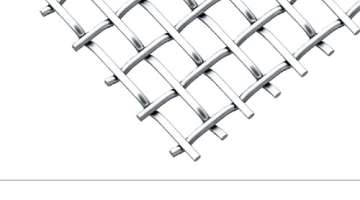
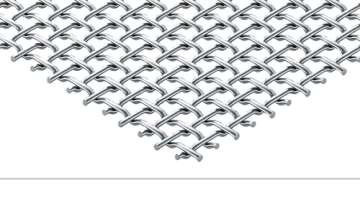
The second big underrated durability factor that most people completely overlook? The exact way the wires are woven together across the full panel surface. Good high-performance Screen Mesh uses a full locked inter-crimp weave, a simple geometric design that locks every single wire firmly in place so sharp aggregate, ore and coal particles slide smoothly over gently rounded top surfaces instead of digging into sharp exposed right angles at wire intersections. Basic standard plain weave just leaves those loose wires sitting completely unconfined at sharp 90-degree crossings, every single chunk of ore or coal drags across two perpendicular wire surfaces as it travels down the deck, doubling total abrasive contact time and making those high-stress intersections wear out far faster than the rest of the panel. The inter-crimp design locks everything down tight, cuts total unnecessary abrasive contact by roughly 30% compared to plain weave. Side-by-side controlled field tests run at multiple local aggregate quarries showed this improved weave structure alone extended total panel service life by nearly 45% compared to standard plain mesh, even when the exact same alloy wire and operating conditions were used for both test groups.
Precision Surface Hardening Eliminates Hidden Weak Spots
Next up, one of the most skipped but highest-impact manufacturing steps: proper precision surface hardening treatment. Almost all budget low-cost Screen Mesh skips this step entirely to cut their production costs, but untreated raw woven wire always ends up with wildly inconsistent surface hardness, random soft spots, and tiny invisible micro-pits scattered all across its length. Sharp fine particles wedge into those tiny imperfections extremely fast, grinding away at the surrounding wire material and making the whole mesh fail way before every last millimeter of usable surface material is worn down. A controlled precision carburizing treatment completely changes that outcome; it infuses a thin, perfectly uniform, ultra-tough hardened outer layer across every single centimeter of the wire, killing off all those inconsistent soft spots and tiny surface pits completely.
Correct Tensioning and Installation Prevents Hidden Internal Friction Wear
The last simple but game-changing operational factor that no marketing brochure ever talks about — proper installation and full-deck equal tensioning. Even the absolute best, highest quality Screen Mesh you can buy will wear out less than half its rated service life if you don’t mount it correctly. Loose unevenly tensioned wires rub against each other, vibrate completely out of sync with the rest of the deck, and basically saw themselves apart from the inside out via hidden internal friction, while the top screening surface barely even gets worn by the material flowing above it. The simple fix that almost no low-budget installation process follows? Full equal tensioning across the whole deck, with every single wire pulled perfectly flat and evenly aligned. No internal wire rubbing, just steady, even abrasive wear on the top surface where it’s supposed to happen.
So, stick to these four proven field-tested factors when you select your next batch of panels. Stop chasing the lowest possible bargain sticker price and start looking at real-world total performance and annual operating costs. With properly engineered abrasion-resistant Screen Mesh installed and correctly maintained on site, you’ll slash your total annual panel replacement and maintenance costs, avoid all those frustrating unplanned mid-shift downtime surprises, and keep your aggregate, ore and coal production circuit humming smoothly right through the busiest peak production season.