Screen Media: Step-by-Step Selection Guide for Industrial Screening Operations
If you’ve ever stood on a quarry sizing deck in sweltering summer heat, swapping out a completely worn-through screen panel that failed barely 10 days after installation, you know exactly how much a bad media choice can derail your whole production schedule, waste hours of overtime labor and eat straight into your hard-earned profit margins. I’ve spent years chatting with maintenance supervisors across northern China’s iron ore mines and aggregate quarries, and nearly all of them shared that they used to pick the cheapest available panels to cut upfront costs, until they ran a full annual cost audit and realized frequent premature failures were costing them 3 times more in lost production revenue than they ever saved on initial purchases. This practical, field-tested guide breaks down the core decision factors you need to pick the perfect industrial Screen Media for your specific operation, no empty marketing buzzwords, just insights pulled straight from hundreds of real on-site performance logs.
Match Base Material Hardness and Toughness to Your Exact Feed Abrasiveness
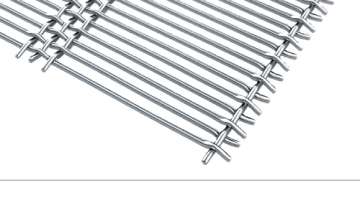
The first non-negotiable step in your selection process is matching the base material’s balance of surface hardness and inner toughness directly to the abrasiveness and maximum lump size of your raw feed, the foundational choice that defines the absolute maximum possible service life of any industrial Screen Media you install. If you are processing soft limestone with maximum 150mm lump size, a standard high-tensile manganese steel woven wire mesh will deliver more than enough impact resistance and excellent open area for maximum throughput, and you won’t waste extra money on over-engineered heavy-duty materials you don’t actually need. But if you are processing high-abrasion silica granite or sharp iron ore with 300mm+ raw chunks falling directly onto the scalping deck from the primary crusher discharge, you need a quenched high-chromium alloy perforated plate that can absorb extreme heavy impact and resist fine abrasive scouring without denting, tearing or wearing through prematurely. Mines and quarries that aligned their base material choice exactly to their feed properties saw their average panel service life jump by more than 60%, with zero unnecessary extra cost from overbuying features they did not require.
Focus on Open Area Percentage to Meet Your Hourly Throughput Goals
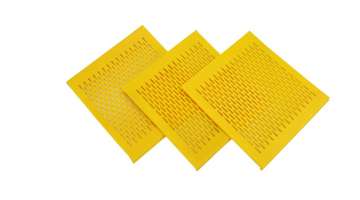
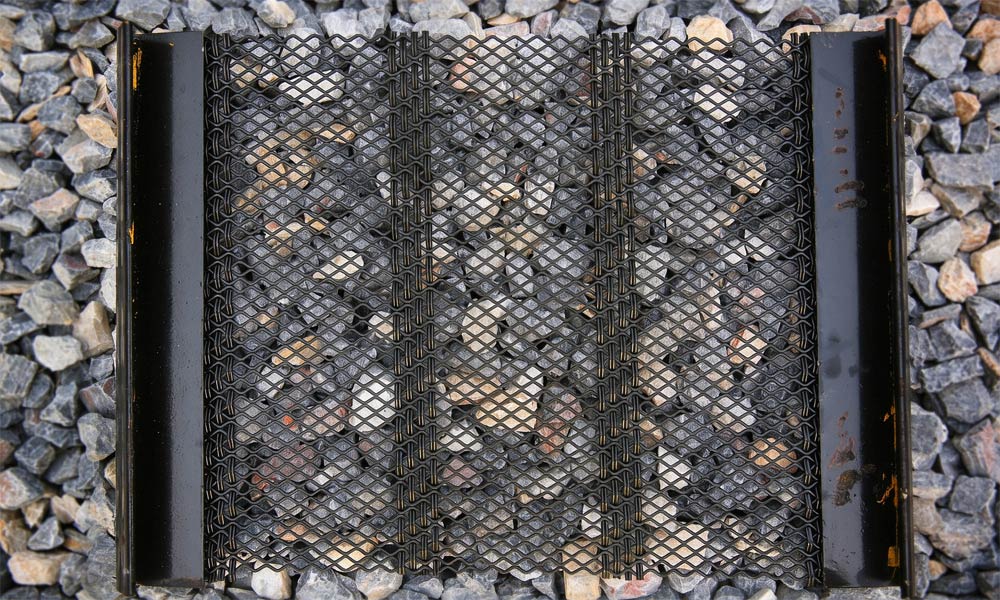
Here’s something a lot of teams miss: the total open area percentage of your screen media. It’s just a simple geometric feature, but it directly affects how much undersized material your deck can handle every hour. Thick perforated plate panels offer the lowest open area—usually 30% to 40%. These work well for heavy-duty scalping when you need durability above all else. But if you want high throughput for fine sizing, forget it—they won’t cut it.Woven wire mesh, especially the standard inter-crimped kind, gives you an open area from 50% to 65%. That sweet spot? You get good wear resistance plus enough open space to push your aggregate throughput up where you want it. Modular polyurethane panels land between 40% and 55%. These really shine on fine, wet sizing decks, especially when anti-blinding matters more than squeezing out every bit of open area.What’s interesting—operations that matched their open area to their actual throughput needs saw a real-world jump, with hourly tonnage going up 20% without messing with the screen drive motor or shelling out for big upgrades.
Match Aperture Shape and Tolerance to Your Product Specs
Now, if you want to really nail your product quality, look at the aperture shape and how precise those openings are. This is what determines how tightly you control your separated materials and how much off-size stuff sneaks into your final product.Standard square apertures in woven wire mesh work just fine for most aggregate sizing jobs, especially when you need a sharp separation between grades. Perfect for dry coarse and medium stuff. But if you’re dealing with damp or sticky materials that clog up squares, go for elongated slotted apertures. These let fines fall through but still hold back anything oversized.For mineral processing, where your specs say less than 2% oversize contamination, you need high-precision, machined apertures with tolerances down to 0.03mm—no room for oversized particles slipping through. Plants that made the switch to high-tolerance media saw a clear boost in product consistency. They even sold their fine ore for higher prices, easily covering the small extra cost for those better panels.
Match Panel Mounting Style to Your Existing Screen Frame and Maintenance
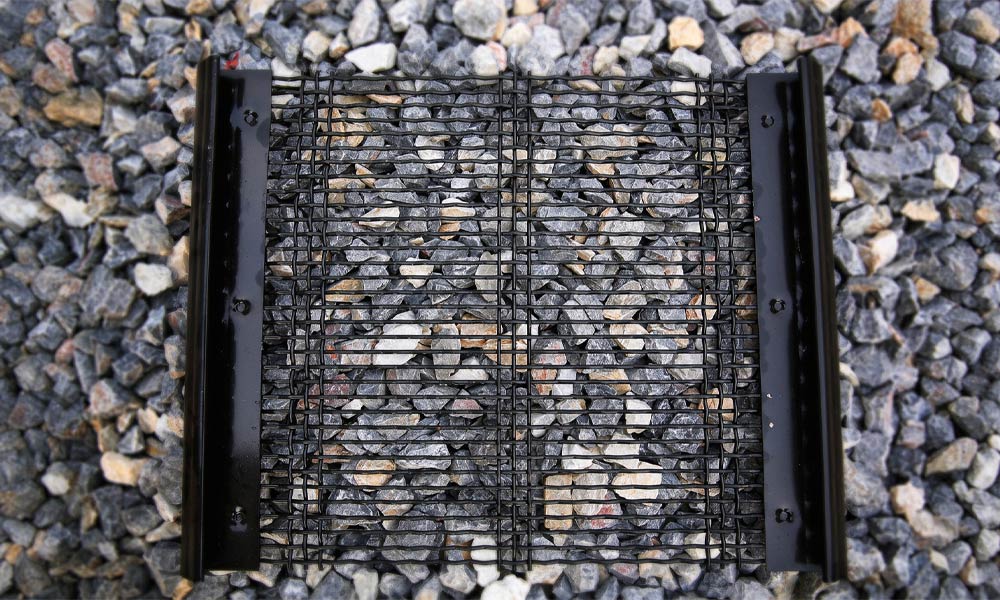
The final practical operational factor that no generic selection guide ever mentions is panel mounting style compatibility, a small but extremely important detail for your industrial Screen Media that determines how much time and labor you will spend on every single panel replacement job. Old-style full tension hook edge panels are the standard for most general-purpose inclined vibrating screens, they are low cost, simple to install, and work perfectly for teams that already have the proper tensioning tools and trained maintenance staff on site. Bolt-down perforated plate panels are the right choice for heavy-duty scalping decks that have to survive extreme heavy impact, they will never shift, come loose or tear at the mounting edge even under the harshest operating conditions. Quick-lock modular panels that drop into a purpose-built deck frame are the best choice for operations that want to cut their downtime to an absolute minimum, they let a single worker swap out a worn panel in less than 20 minutes with no special tensioning tools required. Quarries that aligned their mounting style choice to their existing frame design and maintenance workflow cut their total media replacement downtime by over 70%, no expensive frame modifications required.
By working through these four step-by-step selection factors instead of just picking the lowest price option on the market, you will pick the perfect industrial Screen Media that exactly matches your feed properties, throughput targets, product quality requirements and maintenance workflow, drastically cutting your total annual consumable costs and eliminating almost all unplanned mid-shift downtime.